
Soups & Stews
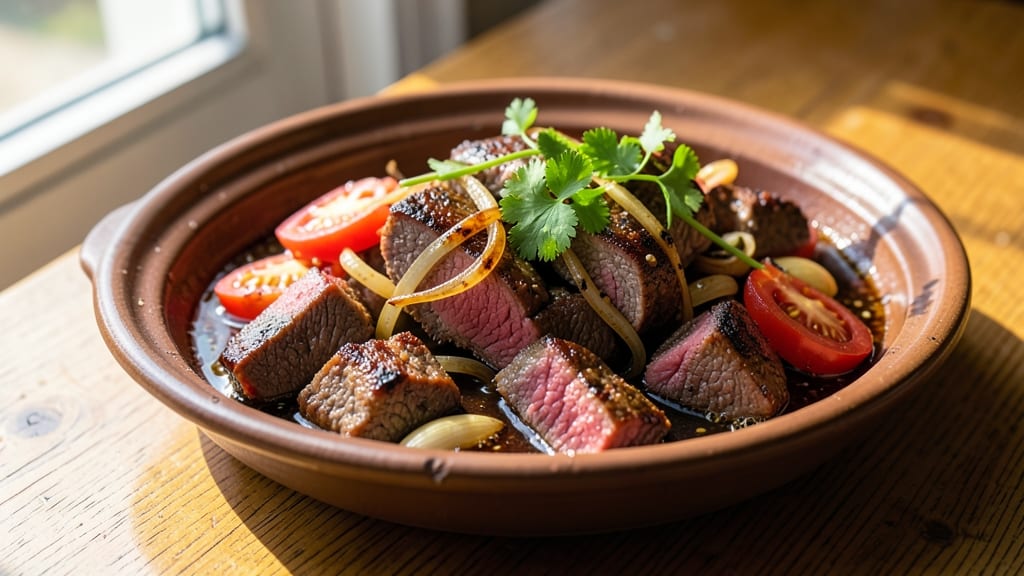
This beef binagoongan recipe brings the rich, tangy flavors of Filipino comfort food to your kitchen, where tender beef simmers in a deeply aromatic vinegar-soy sauce until it practically melts in your mouth.
The dish's signature balance of sweet, sour, and savory comes from a marinade that tenderizes the beef while building layers of flavor—just like my abuela used to make on Sundays.
What makes this recipe special is the slow simmering process, which develops a sauce that's both glossy and deeply flavorful, perfect for serving over steamed rice.
The beauty of beef binagoongan lies in its simplicity: just a few key ingredients—beef, vinegar, soy sauce, and aromatics—work together to create a dish that feels both rustic and refined.
The marinating step is crucial, as it breaks down the beef fibers and infuses them with the tangy vinegar and savory soy. Once simmered, the sauce thickens into a glossy, slightly sticky consistency that clings to every bite, making it impossible to resist going back for seconds.
By the time you serve this dish, you'll have a pot of deeply flavorful beef swimming in a rich, caramelized sauce that's perfect for feeding a family or gathering friends.
The aroma alone will have everyone anticipating dinner, and the first bite delivers on that promise—tender beef with layers of sweetness from the vinegar and depth from the soy. Serve it with steamed rice and a side of atchara for the full Filipino experience.
This recipe is designed to be approachable yet impressive, making it ideal for both weeknight dinners and special occasions. The slow-cooked method ensures maximum tenderness, while the bold flavors make it a standout dish that will have everyone asking for seconds.
Let's get started on creating this classic Filipino comfort food in your own kitchen.
Ingredients for beef binagoongan
Pantry staples plus a few Filipino market finds—this dish comes together like a Sunday family meal.
| Ingredient | Amount | Notes |
|---|---|---|
| Beef Chuck Roast 🥩 | 1 ½ lb | Pre-cubed for even cooking |
| Cane Vinegar 💧 | ½ cup | White or cane vinegar preferred |
| Soy Sauce 🥄 | ½ cup | Light or regular soy sauce |
| Garlic Cloves 🧄 | 6 cloves | Minced for marinade |
| Onion 🧅 | 1 whole | Medium, chopped |
| Tomatoes 🍅 | 2 whole | Large, diced |
| Bay Leaves 🌿 | 2 whole | Dried for aroma |
| Black Peppercorns 🌶️ | 1 tsp | Crushed for heat |
| Sugar 🍚 | 2 tbsp | White or brown sugar |
| Olive Oil 🫒 | 2 tbsp | For searing beef |
| Salt 🧂 | 1 ½ tsp | Kosher or sea salt |
| Green Onions 🌱 | 3 whole | Sliced for garnish |
| Steamed White Rice 🍚 | 2 cups | Cooked, for serving |
The beef is everything. Chuck roast breaks down beautifully, but if you can't find it, chuck eye steak works too. Grab a bottle of cane vinegar from the Filipino aisle at Asian markets—it's sweeter and more aromatic than white vinegar. If you're short on time, pre-cubed beef from the meat counter saves chopping. The tomatoes? Roma or vine-ripened hold up better than beefsteak varieties—they won't turn to mush during simmering. For the soy sauce, Kikkoman or Pearl River Bridge are my go-tos, but any good-quality brand will do.
No cane vinegar? White vinegar or apple cider vinegar works in a pinch, but you'll lose some of that authentic sweetness. Fresh garlic and onions are ideal, but dried minced garlic and onion powder at half the amount get you close if you're in a hurry. The tomatoes can be canned if fresh aren't available—just drain them well. Want more depth? Add 1 tsp fish sauce (if not vegetarian) or 1 tsp oyster sauce for umami. The sugar balances the acidity—don't skip it, but if you're watching carbs, substitute with 1 tbsp honey.
This sauce gets better the next day—honestly, make it a day ahead if you can. Store leftovers in the fridge for 4-5 days, or freeze for 3 months. I always double the batch because it disappears fast. The rice? Cook a big pot—jasmine rice soaks up the sauce perfectly. Serve with atchara (Filipino pickled papaya) if you want the full experience, or just extra green onions for freshness.
Why You'll Love This Recipe
- One-Pot Magic: The beef and veggies all simmer together—no extra pots, no mess. Just dump everything in, let the vinegar and soy sauce work their tangy-savory magic, and walk away while it develops that deep, caramelized flavor.
- Tangy-Savory Fix: That cane vinegar? It’s the secret weapon—bright, sharp, and just sweet enough to cut through the rich beef. The garlic and onions caramelize right into the sauce, so every bite is packed with layers you’ll want to linger over.
- Weeknight Hero: Between us, this is my go-to when I’m too tired to fuss. Toss in some rice, and suddenly you’ve got a full meal that feels restaurant-worthy. Honestly, I’ve served it at potlucks, family dinners, and even lazy Sundays—it never disappoints.
- Budget Stretch: A chunk of beef chuck roast goes a long way here, and the sauce stretches to feed four (or five if someone’s extra hungry). Leftovers? They’re even better the next day—just reheat and serve with rice or crusty bread. My wallet and my freezer both thank me.
Step-by-step instructions for beef binagoongan
Here's how to make this rich, tangy Filipino classic with deep soy flavor and tender beef.
Sear the Beef Chuck Roast for Maximum Flavor
Heat a large pot or Dutch oven over medium-high heat. Add the 2 tablespoons olive oil and let it get hot but not smoking. Working in batches if needed, add the 1.5 lb beef chuck roast (pre-cubed) and sear until deep golden brown on all sides. This should take about 5-7 minutes total, depending on your heat level.
Don't rush this step—you want that beautiful crust that'll carry all the rich flavors of the sauce. If your pot gets crowded, work in two batches. Once browned, remove the beef and set it aside. You'll notice the beef releases some juices—don't wipe them out, as they'll form the base of your sauce.
Build the Tangy Soy Base
In the same pot, add the 1 whole onion (chopped) and 6 cloves garlic cloves (minced). Cook for 2-3 minutes until the onion becomes translucent and the garlic is fragrant. You'll smell that wonderful aromatic foundation developing.
Now add the 0.5 cup cane vinegar and 0.5 cup soy sauce. Stir well and let it simmer for 2 minutes to allow the vinegar to cook off slightly and the soy sauce to deepen in flavor. This is where the signature tangy richness begins to develop. The mixture should smell complex—savory, slightly sweet, and tangy all at once.
Simmer the Beef Until Fork-Tender
Return the seared beef to the pot. Add 2 cups water, 2 whole tomatoes (diced), 2 whole bay leaves, 1 teaspoon crushed black peppercorns, 2 tablespoons sugar, and 1.5 teaspoons salt. Stir everything together, then bring to a gentle boil.
Once boiling, reduce heat to low-medium and cover partially. Let it simmer uncovered for 1.5 to 2 hours until the beef is fork-tender. You'll know it's ready when a fork slides in easily and the meat pulls apart with minimal resistance. The sauce should have thickened noticeably, coating the beef in a glossy, flavorful layer.
Finish and Serve Over Steamed Rice
Remove the 2 bay leaves and adjust seasoning if needed—add a splash more soy sauce for saltiness or a bit more vinegar for tang. The sauce should be rich but not overly salty, with a perfect balance of sweet, sour, and umami.
Ladle the beef and sauce over 2 cups steamed white rice, dividing evenly among 4 servings. Garnish with sliced 3 whole green onions for freshness. The rice will soak up that delicious sauce, creating the perfect harmony of textures and flavors. Serve immediately while hot, as the flavors continue to meld together.
Pro Tips For Making Beef Binagoongan
- SEAR THE ROAST FIRST: The vinegar and soy sauce will make this dish tangy, but you still need a good crust. Pat the beef chuck dry, then sear it in a hot pan with a little oil until it’s deep brown on all sides—this locks in flavor before the long simmer. I used to skip this, and the sauce just tasted like thin soup.
- MINCE THE GARLIC FINE: No, "chopped" isn’t enough. For real depth, mince the garlic cloves into a paste with a pinch of salt—it releases more flavor into the sauce. I learned this the hard way after tasting a batch where the garlic just sat as chunks. (Yes, even if you’re impatient like me.)
- DON’T RUSH THE SIMMER: Low and slow is the only way. After browning the beef and sautéing the onions, add the vinegar and soy sauce, then reduce heat to a gentle simmer. Cover and let it cook for at least 2 hours—this isn’t a quick weeknight dish. The longer it cooks, the richer the sauce gets.
- USE A SPLASH OF WATER: The vinegar and soy sauce will thicken as it cooks, but sometimes it gets too clingy. If the sauce starts looking like glue, add ¼ cup water to loosen it up. I was skeptical until I tried it—now I keep a small cup of water nearby just in case.
Serving suggestions for this beef binagoongan
Steamed Rice Foundation
This dish is all about the rice—long-grain jasmine rice is my go-to because it stays separate and soaks up the rich sauce beautifully. Cook 2 cups of rice (yielding about 4 cups cooked) using the 1:2 rice-to-water ratio method.
For extra flavor, add 1 bay leaf to the cooking water, then remove it before serving. The rice should be hot and fluffy when you plate the beef binagoongan, as the contrast in temperatures makes every bite perfect. 🍚
Atchara for Tangy Crunch
No Filipino meal is complete without atchara, those bright green pickled papaya slices that cut through the richness. Look for it in the Asian aisle of your grocery store or make your own with green papaya, vinegar, and chili.
Slice it thinly and serve it on the side—about ½ cup per person. The sweet-spicy tang balances the beef's savory depth beautifully, and it adds a lovely pop of color to your plate.
Garnish Like a Pro
Fresh green onions are your secret weapon for garnishing—slice 3 whole green onions into ¼-inch pieces and sprinkle them over the beef just before serving. This adds a bright, fresh contrast to the deep, tangy flavors.
For an extra touch, I sometimes add a few cilantro leaves if I have them, but green onions alone are classic and foolproof. A pinch of crushed black pepper right before serving also wakes up the flavors. ✨
Side Dish Synergy
Want to round out your meal? Serve with garlic fried rice (use leftover rice!) or a simple cucumber salad tossed with rice vinegar, sugar, and sesame seeds. Both sides complement the beef binagoongan perfectly—crisp textures contrast the tender beef, while the vinegar ties everything together.
For a heartier option, add steamed bok choy with a drizzle of oyster sauce. The key is balancing textures and keeping flavors harmonious.
Presentation Matters
Filipino meals are all about sharing, so serve this dish family-style in a large ceramic bowl or wooden platter. Ladle the beef and sauce directly over the rice, then arrange the atchara and garnishes around the edges.
The colors—deep red of the sauce, white of the rice, green of the atchara—look stunning and make the dish even more inviting. Use wooden serving spoons if you have them for that authentic touch. 💛
Leftovers Strategy
This sauce gets even better the next day—trust me, I always make extra! Store leftovers in an airtight container in the fridge for up to 5 days. Reheat gently on the stove with a splash of water to loosen the sauce.
For a quick lunch, serve over microwaved rice (just add a splash of water to keep it fluffy) and top with extra green onions. The flavors deepen over time, so don’t hesitate to make a double batch. 💡
Nutrition facts
Frequently asked questions
What kind of vinegar works best for beef binagoongan?
Cane vinegar is traditional and gives the best sweet, fruity depth, but white vinegar or apple cider vinegar work in a pinch. Avoid balsamic—it's too sweet and will overpower the dish. For authentic flavor, look for cane vinegar in Asian markets or Filipino stores.
Can I use a different cut of beef?
Chuck roast is ideal because it stays tender during long cooking, but chuck eye steak or brisket work too. Avoid lean cuts like sirloin—they'll dry out. For faster cooking, use pre-cubed beef from the meat counter (about 1-inch cubes) to ensure even doneness.
Why does my sauce taste too salty?
Soy sauce and vinegar both add saltiness, so taste as you go! If it's too strong, dilute with 1-2 tablespoons water or add a splash of cane vinegar to balance. Start with ½ cup soy sauce if you're unsure—you can always add more later. The key is patience: let the sauce simmer uncovered to reduce excess liquid.
How do I make this dish vegetarian?
Swap the beef for firm tofu or mushrooms (like shiitake or portobello). Press tofu to remove moisture first, then cube and pan-fry until golden. Use 1 tbsp soy sauce + 1 tsp mushroom powder in the marinade for umami depth. The cooking time drops to 30-40 minutes—just until the sauce thickens.
Can I make this in a slow cooker?
Sear the beef first, then transfer everything to the slow cooker. Cook on low for 6-7 hours or high for 3-4 hours. The slow cooker's gentle heat enhances tenderness without drying out the beef. Just stir occasionally to prevent sticking, and add ¼ cup water if the sauce gets too thick.