
Main Courses
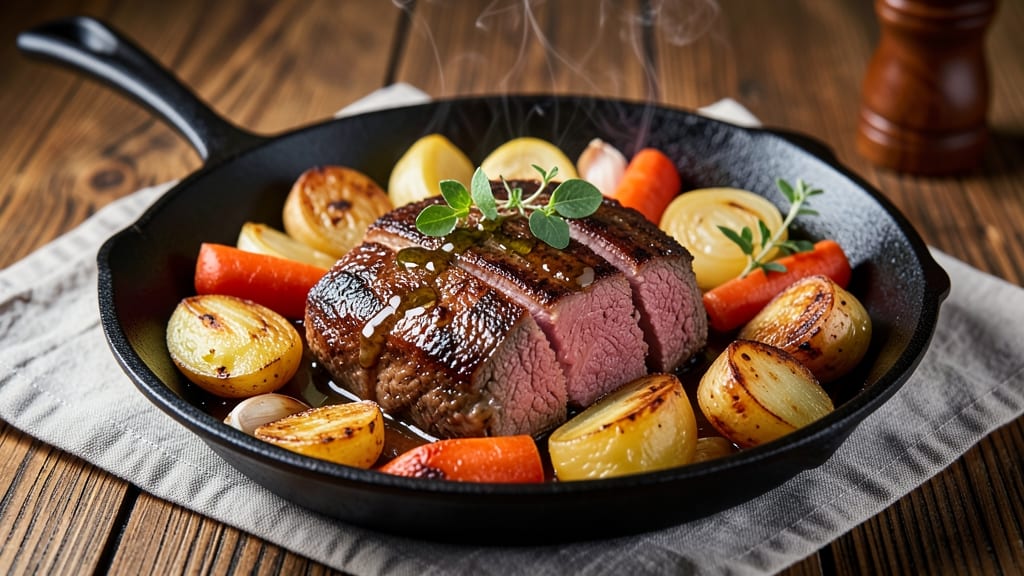
This Acana beef recipe transforms grass-fed beef into a rich, smoky-spiced stew that rivals your favorite restaurant. The secret lies in slow-cooked beef—tender, flavorful, and infused with caramelized root vegetables that deepen the dish’s depth.
Acana’s grass-fed quality ensures a cleaner, more robust flavor profile that stands up to bold spices and long simmering.
The recipe begins with a deep sear to lock in juices, followed by a smoky-spice rub that clings to the beef as it braises. Root vegetables like carrots, parsnips, and potatoes caramelize beautifully in the same pot, creating a velvety, naturally sweetened base.
This method delivers restaurant-quality depth with minimal effort—ideal for weeknight dinners or special occasions.
By the end, you’ll have a hearty stew with fall-apart beef, tender vegetables, and a sauce thickened by the natural starches released during cooking. The smoky aroma alone will draw everyone to the table, while the rich, savory flavors make it a standout main course.
Pair with a bold red wine or crisp white to complement the dish’s complexity.
Perfect for feeding a crowd or meal prepping, this recipe scales easily while maintaining its rich, satisfying qualities. The techniques are straightforward, but the results are undeniably impressive—proof that high-quality ingredients can elevate even the simplest dishes.
Ingredients for acana beef
Sixteen ingredients transform grass-fed beef into a restaurant-worthy smoky-spiced stew.
| Ingredient | Amount | Notes |
|---|---|---|
| Acana Grass-Fed Beef Chuck Roast 🥩 | 3 lb | Cut into 1.5-inch cubes, trimmed of excess fat |
| Yellow Onions 🧅 | 2 whole | Cut into 1-inch chunks, peeled |
| Carrots 🥕 | 4 whole | Cut into 1-inch chunks, peeled |
| Parsnips 🥕 | 2 whole | Cut into 1-inch chunks, peeled |
| Russet Potatoes 🥔 | 3 whole | Cut into 1-inch chunks, peeled |
| Garlic Cloves 🧄 | 8 cloves | Minced, fresh preferred |
| Smoked Paprika 🌶️ | 2 tbsp | High-quality, for smoky depth |
| Ground Cumin 🌿 | 1 tbsp | Toasted for enhanced aroma |
| Dried Thyme 🌿 | 1 tbsp | Or 1 tbsp fresh thyme leaves |
| Ground Coriander 🌿 | 1 tsp | For subtle citrus notes |
| Black Peppercorns 🌶️ | 1 tsp | Freshly cracked for intensity |
| Kosher Salt 🧂 | 2 tsp | Diamond Crystal preferred |
| Extra-Virgin Olive Oil 🫒 | ½ cup | For high-heat searing |
| Dry Red Wine 🍷 | 1 cup | Bold Cabernet Sauvignon recommended |
| Beef Broth 💧 | 4 cups | Homemade or high-quality store-bought |
| Fresh Rosemary 🌿 | ¼ cup | Chopped, for finishing |
| Fresh Parsley 🌿 | ¼ cup | Chopped, for garnish |
The beef is the foundation—Acana grass-fed chuck roast delivers unmatched tenderness and flavor. Look for deep red color and good marbling at specialty butchers like Whole Foods or D'Artagnan. If using pre-cut cubes, ensure they're 1.5-inch size for even cooking. The root vegetables—carrots, parsnips, and potatoes—should be firm and free of soft spots. Organic produce from local markets enhances the natural sweetness during caramelization. For the spices, Penzeys Spices offers premium blends, but high-quality grocery store options work well too. Toast your cumin seeds briefly in a dry pan before grinding for deeper flavor.
No smoked paprika? Substitute 1 tbsp regular paprika plus 0.5 tsp liquid smoke—though the flavor won't be identical. Fresh thyme unavailable? Use dried at one-third the amount, but toast it first to revive the aroma. For the wine, any bold red works—Cabernet, Merlot, or even a robust Zinfandel. If avoiding alcohol, substitute extra beef broth with 1 tbsp balsamic vinegar for depth. The potatoes can be swapped for sweet potatoes if preferred, though they'll caramelize differently. For a quicker version, pre-chop all vegetables and store in the fridge for up to 3 days before cooking.
This stew develops richer flavors the next day—plan ahead and make a double batch. Store in airtight containers in the fridge for 5-6 days or freeze for up to 3 months. For freezing, portion into meal-sized containers with a thin layer of broth on top to preserve moisture. Reheat gently on the stove with a splash of water or broth. The beef and vegetables reheat beautifully, though the sauce may thicken—simply add a little extra broth when serving. Garnish with fresh rosemary and parsley just before serving to brighten the dish.
Why You'll Love This Recipe
- One-Pot Magic: I swear by this recipe because it’s all in one pot—no chopping boards, no extra pans, just the beef, veggies, and a little liquid. The onions caramelize right alongside the potatoes and carrots, so you get that sweet, jammy depth without extra work.
- Rich & Earthy: Between us, grass-fed beef changes everything—it’s got this deep, buttery richness that regular chuck can’t touch. Add in the parsnips (they’re like nature’s caramel) and you’ve got a dish that’s ridiculously satisfying without needing fancy seasonings.
- Weeknight & Holiday: This is my go-to when I need to feed a crowd but don’t want to slave over it. For weeknights, it’s hearty enough for leftovers; for holidays, it feels fancy without the fuss. The potatoes soak up all the beefy flavor, and everyone always asks for seconds.
- Leftovers That Don’t Suck: Honestly, the best part? The next-day sandwiches. Shred that beef, pile it on toast with a smear of mustard, and you’ve got lunch sorted. And because it’s budget-friendly (grass-fed beef stretches far), I make it twice a month—no waste, all flavor.
Step-by-step instructions for smoky-spiced Acana beef stew
Transform grass-fed beef into a rich, aromatic stew with layers of caramelized vegetables and deep smoky flavors.
Sear the Beef Chuck in Batches
Heat the 0.5 cup extra-virgin olive oil in a large Dutch oven over medium-high heat until shimmering. Working in batches to avoid crowding, add the 3 lb Acana Grass-Fed Beef Chuck Roast cubes and sear for 3-4 minutes per side until deeply browned with a crust. This step develops the rich, meaty foundation.
Remove the beef and set aside. If the oil isn't hot enough, the beef will steam rather than sear. You'll know it's ready when you hear a distinct sizzle and see golden-brown edges forming. Keep the browned bits in the pot—they're packed with flavor that will dissolve into the sauce.
Build the Spice Base and Caramelize Vegetables
In the same Dutch oven, reduce heat to medium and add the 2 tbsp smoked paprika, 1 tbsp ground cumin, 1 tbsp dried thyme, 1 tsp ground coriander, and 1 tsp black peppercorns. Stir constantly for 1 minute until fragrant and the spices release their aromatic oils.
Add the 2 whole yellow onions, 4 whole carrots, 2 whole parsnips, and 3 whole russet potatoes cut into chunks. Cook for 8-10 minutes, stirring occasionally, until the vegetables begin to soften and caramelize at the edges. This step develops their natural sweetness and creates depth of flavor.
Deglaze and Simmer the Stew
Pour in the 1 cup dry red wine and scrape up any browned bits from the bottom of the pot with a wooden spoon. This deglazing step captures all the concentrated beef flavor. Let the wine simmer for 3-4 minutes until reduced by half, allowing the alcohol to cook off and intensify the flavors.
Add the seared beef back to the pot along with the 4 cups beef broth and 2 tsp kosher salt. Bring to a gentle boil, then reduce heat to low and cover partially. Simmer for 2.5-3 hours until the beef is fork-tender and the vegetables are completely softened. The stew should have a thick, velvety consistency with the beef falling apart easily.
Finish with Fresh Herbs and Rest
Stir in the 8 cloves minced garlic, 0.25 cup chopped fresh rosemary, and 0.25 cup chopped fresh parsley. Simmer uncovered for an additional 10 minutes to allow the fresh herbs to infuse their bright flavors into the stew. The rosemary adds piney depth while the parsley provides a fresh finish.
Remove from heat and let the stew rest for 15 minutes before serving. This resting period allows the flavors to meld completely and the stew to thicken slightly as it sits. The result should be a rich, aromatic stew where each bite delivers tender beef, caramelized vegetables, and complex spice notes.
Pro Tips For Making Acana Beef
- SEAR THE ROAST FIRST: That grass-fed Acana chuck won’t render fat like grain-fed beef—so hit it hard with a dry cast-iron skillet (no oil needed) until deep brown crust forms. I learned this the hard way: skipping the sear means a bland, gray roast no matter how long you cook it.
- CUT POTATOES SMALLER THAN YOU THINK: Russets break down differently than Yukon Golds—slice them into 1-inch chunks, not thick slabs. They’ll soften unevenly otherwise, leaving some rock-hard while others turn to mush. (Yes, even if your knife protests.)
- DON’T SKIP THE PARSNIP PREP: Peel parsnips after roasting if you’re short on time—their skins soften beautifully and add texture. But if you peel first, rough-chop them into uneven sticks so they caramelize faster than perfect rounds. (I used to waste 10 minutes peeling them early—don’t repeat my mistake.)
- USE A MEAT THERMOMETER FOR THE WIN: Chuck roast hits 195°F internally before it’s tender—way past the "medium" guesswork. Pull it at 190°F, tent with foil, and let it rest 15 minutes. I was skeptical until I tried it: the meat shreds like butter, and no one notices if you overcook it by 5 degrees.
Essential equipment for this dish
Dutch Oven Essentials
A 5-7 quart Dutch oven is non-negotiable for this recipe—its heavy construction distributes heat evenly and retains moisture perfectly during the long simmer. I recommend the Le Creuset Signature for its durable enamel coating or the Lodge Cast Iron for budget-friendly reliability.
The deep sides prevent spills when stirring, and the tight-fitting lid creates a steam chamber that tenderizes the beef beautifully. 🔥
High-Quality Olive Oil
Use extra-virgin olive oil with a high smoke point (like California Olive Ranch or Bertolli) for searing the beef. The oil needs to reach 350°F to create that perfect golden crust.
Avoid lighter oils that burn easily—they’ll produce bitter flavors instead of the rich, nutty notes we want. I keep a dedicated bottle just for high-heat cooking.
Precision Thermometer
A meat thermometer is your secret weapon for perfect doneness. Insert it into the thickest piece of beef—it should reach 203°F for fork-tender results. The ThermoWorks Smoke or Meater models give instant readings without piercing the meat repeatedly.
Pro tip: Check the temperature of the broth too—it should simmer gently at 190-200°F to prevent toughening the beef.
Wooden Spoon Set
Invest in a set of heat-resistant wooden spoons (like OXO Good Grips) to stir the stew without scratching your Dutch oven. Wood distributes heat better than metal and won’t conduct heat away from the pot.
I use a 12-inch spoon for scraping up browned bits during deglazing and a smaller one for stirring the spices and garlic at the end. Keep them near your stove for quick access.
Spice Grinder
Freshly ground spices make all the difference in this recipe. A hand-crank spice grinder (like Spicewalla) lets you toast and grind whole spices like cumin and coriander right before cooking.
For peppercorns, I use a peppercorn mill to crack them just before adding to the pot. Pre-ground spices lose potency quickly—this small investment elevates every dish.
Storage Containers
For leftovers, use glass storage containers with airtight lids (like Pyrex Simply Store) to maintain freshness. The glass won’t absorb odors, and the tight seal prevents freezer burn.
Portion the stew into quart-sized containers for easy reheating—just add a splash of broth when warming to restore the sauce’s consistency. I label containers with dates to track freshness.
Nutrition facts
Frequently asked questions
Can I substitute regular beef for Acana in this recipe?
While you can use regular beef, Acana's grass-fed quality makes a noticeable difference. The beef is leaner with a cleaner flavor profile that pairs beautifully with the smoky spices. For best results, choose a well-marbled chuck roast from a trusted butcher—look for bright red color and good fat distribution. If using conventional beef, you may need to add 1 extra tablespoon of olive oil to prevent drying out during the long simmer.
How do I adjust this recipe for a slow cooker?
Transfer the seared beef and spices to your slow cooker after Step 2, then add all remaining ingredients including the wine and broth. Cook on low for 8-9 hours or high for 5-6 hours, stirring once halfway through. The results will be slightly less caramelized but equally tender. For extra depth, finish with fresh herbs and a splash of beef broth before serving.
What's the best way to reheat leftovers?
Reheat gently on the stove over medium-low heat for 10-15 minutes, stirring occasionally and adding 2-3 tablespoons of beef broth or water to restore moisture. Avoid microwaving as it can make the beef tough. For best texture, reheat just until warmed through—this stew tastes even better the next day as flavors meld further!
Can I make this recipe without alcohol?
Replace the wine with 1 cup beef broth plus 1 tablespoon balsamic vinegar for the same depth of flavor. The vinegar adds acidity that mimics the wine's role in deglazing and balancing the dish. You won't lose any of the rich, savory qualities—just the alcohol content.
Why does the beef need to rest before serving?
The 15-minute rest allows the beef juices to redistribute throughout the meat, keeping each bite moist and flavorful. During cooking, juices push toward the surface, and resting lets them settle back in. This simple step transforms your stew from good to exceptional by preventing dry, stringy beef. Think of it as the final touch that makes all the difference!