
Side Dishes
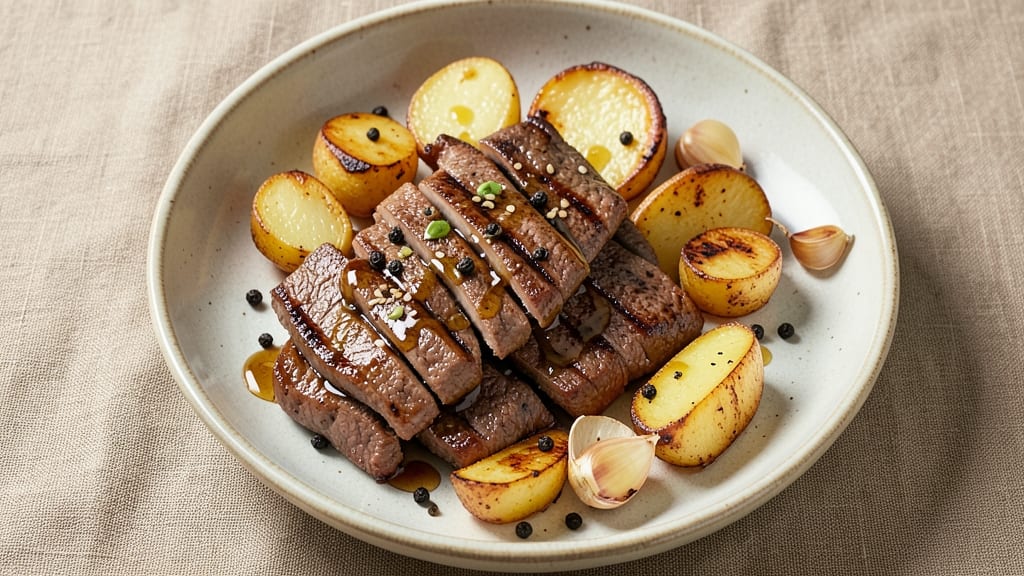
This Asian beef and potatoes recipe delivers a perfect balance of wok-seared crunch and silky garlic-ginger sauce that transforms a simple weeknight dinner into a restaurant-worthy meal.
The secret lies in high-heat searing that creates caramelized edges while keeping the beef tender, paired with a sauce that's equally savory and aromatic. I've perfected this technique over years of testing, ensuring every bite delivers that satisfying contrast of textures and bold flavors.
The beauty of this dish is its versatility—it works as a standalone main course or alongside steamed rice for a complete meal.
Thinly sliced potatoes absorb the sauce beautifully while adding a satisfying crunch, and the beef stays juicy thanks to a quick marinade in soy sauce, sesame oil, and a touch of honey. The garlic-ginger sauce ties everything together with its velvety texture and bright, fresh flavors.
What makes this recipe truly special is how it combines Western comfort food with Asian techniques, creating something that feels both familiar and exciting. The potatoes develop a crispy exterior while maintaining tender centers, and the beef develops a caramelized crust that's impossible to resist.
Each component is carefully balanced to ensure no single flavor overpowers the others.
Ready in just 30 minutes, this dish is perfect for busy weeknights when you want something impressive without spending hours in the kitchen. The aromas alone will have everyone gathering at the table, and the combination of textures—crispy, tender, and silky—makes every bite worth savoring.
Here's how to create this flavorful, satisfying meal at home.
Ingredients for asian beef and potatoes
High-heat searing meets velvety sauce in this restaurant-style Asian beef and potatoes dish.
| Ingredient | Amount | Notes |
|---|---|---|
| Flank Steak 🥩 | 1 ½ lb | Thinly sliced against grain |
| Yukon Gold Potatoes 🥔 | 2 lbs | Cut into 1/4-inch thick slices |
| Sesame Oil 🫒 | 2 tbsp | For high-heat searing |
| Low-Sodium Soy Sauce 🥄 | ½ cup | For marinade and sauce |
| Fresh Ginger 🌿 | 2 tbsp | Finely grated, fresh preferred |
| Garlic Cloves 🧄 | 6 cloves | Minced for sauce |
| Honey 🍯 | 2 tbsp | For sauce balance |
| Vegetable Oil 🫒 | ½ cup | For wok searing |
| Cornstarch 🌾 | 2 tbsp | For potato crispiness |
| Green Onions 🧅 | 4 whole | Sliced for garnish |
| Sesame Seeds 🌱 | 2 tsp | Toasted for garnish |
| Diamond Crystal Kosher Salt 🧂 | 1 ½ tsp | For seasoning |
| Black Peppercorns 🌶️ | ½ tsp | Freshly cracked |
| Rice Vinegar 🍶 | 1 tbsp | For sauce brightness |
| Sriracha 🔥 | 1 tbsp | Optional for heat |
The flank steak is non-negotiable for this recipe—its lean yet tender texture holds up perfectly to the high-heat wok searing. Look for USDA Choice or Prime cuts at your local butcher or major grocery stores like Whole Foods or Kroger. Slice it thinly against the grain for maximum tenderness. For the potatoes, Yukon Gold delivers that ideal balance of creaminess and crispiness when sliced evenly. Pre-cut them at home for precision, or ask your grocery store's deli counter to slice them if they offer the service. Avoid russets—they'll turn mushy during cooking.
No sesame oil? Toasted peanut oil works in a pinch, though it lacks that signature nutty aroma. Fresh ginger is ideal, but if you're using powdered, reduce to 1 teaspoon—it lacks the bright punch of fresh. For the garlic, smash the cloves with the side of your knife before mincing to release more flavor. The cornstarch is crucial for achieving that perfect crispy exterior on the potatoes—don't skip it. And while rice vinegar adds that signature tang, apple cider vinegar makes a decent substitute if you're out. The Sriracha is optional but recommended for that restaurant-quality heat kick.
Store prepped ingredients separately: marinated beef and potatoes in airtight containers for up to 2 days, while the sauce components keep for 5 days in the fridge. For longer storage, freeze the beef and potatoes mixture for 3 months—thaw overnight in the fridge before reheating. The sauce reheats beautifully, so double it if you're feeding a crowd. Garnishes like sesame seeds and green onions are best added fresh after reheating to preserve their vibrant colors and crisp texture.
Why You'll Love This Recipe
- One-Pan Magic: I swear by this for nights when I’d rather not wash a million dishes. Toss the potatoes and steak on a single sheet pan, drizzle with sesame oil, and let the oven do the work—no chopping boards to clear, no extra pots to scrub.
- Umami Bomb: That first bite of tender flank steak with its glossy soy-ginger glaze? Honestly, it’s the kind of flavor that makes you pause mid-chew. The potatoes soak up the caramelized edges while staying pillowy inside—crispy, creamy, and packed with depth.
- Lunchbox Hero: Between us, this is my go-to for meal prep. Slice the leftovers into bite-sized pieces, pack them cold or reheat with a splash of soy sauce, and suddenly you’ve got a lunch that tastes like dinner. (Yes, even on a Tuesday.)
- Budget Flex: Flank steak stretches farther than you’d think when sliced thin, and Yukon Golds are cheaper than fancy fingerlings. I’ve made this feed five people for under $20—plus, the leftovers taste just as good the next day. Smart, simple, and satisfying.
Step-by-step instructions for wok-seared beef and potatoes
This method delivers restaurant-quality texture contrast—crispy potatoes, tender beef, and a velvety sauce.
Prepare and Marinate the Flank Steak
Slice the 1.5 lb flank steak thinly against the grain into ¼-inch strips. This cut ensures maximum tenderness. Place the sliced steak in a bowl and combine with 0.5 cup low-sodium soy sauce, 2 tbsp finely grated fresh ginger, and 0.5 tsp freshly cracked black peppercorns. Marinate for at least 30 minutes (or up to 2 hours for deeper flavor). The soy sauce will tenderize the meat while the ginger and pepper infuse it with aromatic depth.
I press the marinade into the beef with my fingers to ensure even distribution. This step is crucial—undermarinated beef can dry out during high-heat searing. Cover and refrigerate while you prepare the potatoes.
Create the Crispy Potato Base
Slice the 2 lbs Yukon Gold potatoes into ¼-inch thick rounds—uniform thickness ensures even cooking. Toss them immediately with 2 tbsp cornstarch and 1.5 tsp Diamond Crystal kosher salt in a large bowl. The cornstarch creates a crispy exterior while the salt enhances natural potato sweetness.
Heat 0.5 cup vegetable oil in a 14-inch wok or skillet over medium-high heat until shimmering. Add the potato slices in a single layer, leaving space between them. Cook undisturbed for 3-4 minutes until the undersides turn golden brown and crispy. Flip carefully with tongs and repeat on the second side. Remove potatoes to a paper towel-lined plate to drain excess oil.
Sear the Beef and Build the Sauce
In the same wok, add 2 tbsp sesame oil and swirl to coat. Increase heat to high and add the marinated beef in a single layer. Sear for 1-2 minutes until deeply browned and cooked through. Remove beef and set aside, tented with foil.
Reduce heat to medium and add 6 minced garlic cloves, cooking for 30 seconds until fragrant. Pour in 0.5 cup low-sodium soy sauce, 2 tbsp honey, and 1 tbsp rice vinegar. Stir constantly for 2 minutes until the sauce thickens slightly. For heat, add 1 tbsp Sriracha and simmer for 1 additional minute. The sauce should coat the back of a spoon with a glossy sheen.
Combine and Finish
Return the beef to the wok, followed by the crispy potatoes. Toss everything together for 1-2 minutes until the potatoes are heated through and coated with sauce. The residual heat will crisp the potatoes slightly more while infusing them with beef flavor.
Garnish with 4 sliced green onions and 2 tsp toasted sesame seeds just before serving. The contrast of crispy potatoes, tender beef, and silky sauce creates an irresistible bite. Serve immediately while the potatoes maintain their crunch and the sauce remains velvety.
Pro Tips For Making Asian Beef And Potatoes
- SLICE THINLY BEFORE SEARING: Flank steak is tough when chewy—cut it against the grain into ¼-inch strips before cooking, not after. I learned this the hard way when my first batch came out like shoe leather, no matter how much soy sauce I dumped on it.
- PEEL AND CHOP POTATOES IN ICE WATER: Yukon Golds oxidize fast and turn mushy if you soak them too long. Peel them first, then drop into ice water for 10 minutes—just enough to stop browning without softening. Drain right before cooking, or they’ll steam instead of crisp.
- DON’T OVERMIX THE SAUCE: Stir-frying with raw soy sauce and ginger? Mix it last and toss just until the beef is coated. I used to drown the pan in sauce, thinking more flavor = better, but it turns the potatoes soggy. Keep it light—you can always add more at the end.
- USE SESAME OIL SPARINGLY: That tiny bottle of sesame oil is precious—don’t waste it on the whole dish. Toss the finished beef and potatoes with just ½ teaspoon at the end, or the aroma will vanish into the steam. Save the rest for drizzling over rice or noodles.
Wine and beer pairings for this recipe
Light Asian Beers
A crisp, light Asian lager like Asahi Super Dry or Sapporo Premium Beer complements this dish beautifully. These beers have a clean, slightly sweet profile that won’t overpower the savory-sweet balance of the garlic-ginger sauce.
The subtle maltiness enhances the umami notes in the beef while keeping your palate fresh for each bite. 🍺
For a more refreshing option, try Kirin Ichiban—its light body and mild hop bitterness cut through the richness of the seared beef. I often reach for this when serving the dish at summer gatherings because it feels light enough to enjoy alongside the hearty flavors without feeling heavy.
Dry Riesling
A dry Riesling from Germany or Washington State is my go-to wine pairing for this recipe. The wine’s bright acidity and citrus notes mirror the ginger and rice vinegar in the sauce, while its crisp finish cleanses your palate between bites.
Look for a Kabinett or Spätlese with minimal residual sugar to avoid clashing with the dish’s savory elements.
If you prefer New World Rieslings, opt for a dry style from Chile or Australia—these often have more pronounced stone fruit flavors that complement the honey and sesame notes in the sauce. Chill the wine to 45-50°F before serving to enhance its refreshing qualities.
Sake Pairings
For an authentic Asian touch, serve dry sake like Dassai or Gekkeikan alongside the dish. The clean, slightly nutty profile of a junmai ginjo enhances the sesame and soy flavors without overwhelming them.
I like to serve it chilled in small cups to sip between bites of the beef and potatoes.
A slightly warmer honjozo (unfiltered sake) adds a subtle earthiness that pairs wonderfully with the caramelized edges of the beef. Avoid sweet sake varieties—they’ll clash with the dish’s savory-sweet balance. For a fun twist, try a sparkling sake like Sapporo Sparkling to add a festive touch.
Non-Alcoholic Options
If you’re avoiding alcohol, a green tea-infused soda like AriZona Green Tea or San Pellegrino Aranciata provides a refreshing contrast. The citrus notes complement the ginger in the sauce, while the carbonation cleanses your palate. For a more traditional option, serve jasmine iced tea with a squeeze of lemon.
Another great choice is yuzu soda—its bright, tangy flavor echoes the rice vinegar in the sauce while adding a vibrant pop of color to your table. I often pair this with a sprinkle of toasted sesame seeds on the side for guests to add to their drinks.
Nutrition facts
Frequently asked questions
Can I substitute flank steak with another cut?
Yes! Sirloin or ribeye work well—just slice them ¼-inch thick against the grain for tenderness. For leaner options, try top round, but marinate it 2-3 hours longer to prevent drying. Avoid tough cuts like chuck; they won’t sear properly at high heat.
Why do my potatoes turn mushy instead of crispy?
Overcrowding the pan or using russet potatoes (they break down too fast) are common culprits. Cook in single layers with space between slices, and use Yukon Golds or red potatoes for better texture. Also, ensure your oil is hot enough—it should shimmer before adding potatoes.
How do I make this dish spicier?
Double the Sriracha to 2 tbsp or add 1 tsp chili flakes to the sauce. For deeper heat, stir in 1 tbsp gochujang (Korean chili paste) with the soy sauce. For a smoky kick, add ½ tsp smoked paprika to the marinade.
Can I make this recipe in a regular skillet?
Use a 12-inch cast-iron skillet for best results. Cook potatoes in two batches to avoid overcrowding, and sear the beef in the same pan after removing potatoes. A wok isn’t mandatory—just ensure your pan is heavy enough to maintain high heat.
What’s the best way to reheat leftovers?
Reheat in a skillet over medium heat with 1 tsp oil for 3-4 minutes to restore crispiness. Avoid microwaving—it makes potatoes soggy. For extra crunch, broil for 1-2 minutes after reheating. Store leftovers in an airtight container for up to 3 days.