
Main Courses
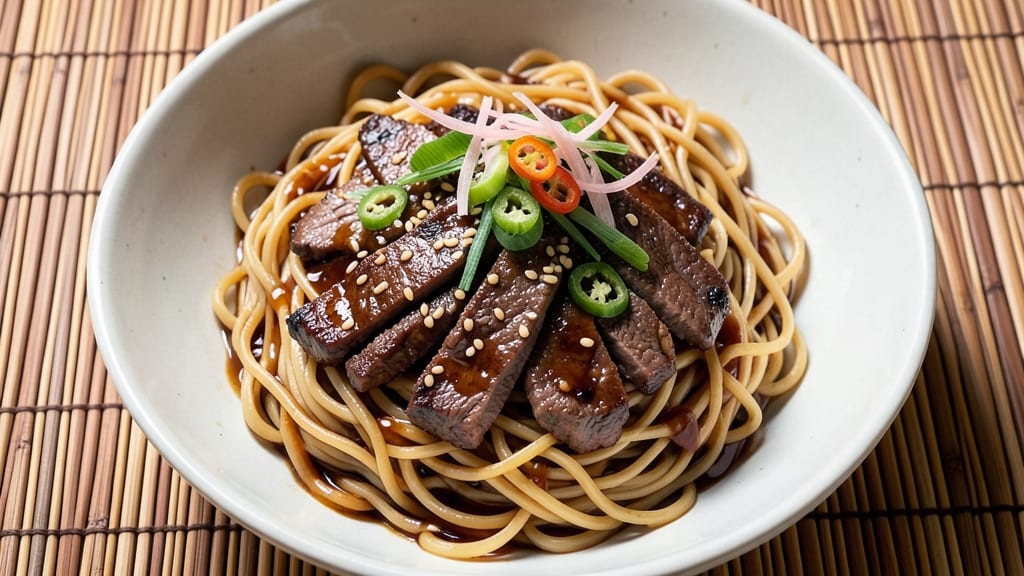
This Asian beef noodle bowl recipe delivers restaurant-quality flavor in just 30 minutes, combining tender wok-tossed beef, silky noodles, and a perfect balance of savory, spicy, and umami.
The key lies in proper beef slicing and high-heat stir-frying to achieve that signature tender-yet-firm texture, while the noodles cook just shy of al dente for maximum chewiness. I developed this recipe after years of perfecting the technique for achieving that perfect harmony of textures and flavors.
The foundation begins with thinly sliced beef that cooks quickly over high heat, preventing toughness while developing a subtle char. Fresh vegetables add crunch and freshness, while a homemade soy-ginger sauce ties everything together with deep umami notes.
What makes this bowl special is how each component works in perfect balance—no single element overpowers the others, creating a dish that's both satisfying and refined.
By the time you assemble your bowl, you'll have perfectly cooked beef with a slight caramelized edge, chewy yet tender noodles, and a sauce that coats every bite with rich, complex flavor.
The presentation is just as important as the taste: vibrant colors, strategic placement of ingredients, and optional garnishes like sesame seeds and chili oil elevate the dish from home-cooked to restaurant-worthy.
This recipe works equally well as a weeknight dinner or weekend meal, and the components can be prepped ahead for easy assembly.
Whether you're serving a crowd or treating yourself to a satisfying solo meal, this beef noodle bowl delivers the perfect combination of texture and flavor that keeps everyone coming back for more.
Ingredients for asian beef noodle bowl
Thinly sliced beef, silky noodles, and a bold soy-ginger sauce—this is restaurant-quality in your wok.
| Ingredient | Amount | Notes |
|---|---|---|
| Flank Steak 🥩 | 1 ½ lb | Thinly sliced against grain |
| Egg Noodles 🍜 | 12 oz | Fresh or dried, chewy variety |
| Sesame Oil 🫒 | 1 tbsp | Toasted for aroma |
| Low-Sodium Soy Sauce 🍶 | ½ cup | Kikkoman preferred |
| Rice Vinegar 🍶 | ¼ cup | Rice vinegar, not apple cider |
| Fresh Ginger 🌿 | 2 tbsp | Finely grated, aromatic |
| Garlic Cloves 🧄 | 6 cloves | Minced, aromatic |
| Honey 🍯 | 2 tbsp | Pure, for balance |
| Sesame Seeds 🥜 | 1 tbsp | Toasted, for garnish |
| Red Bell Pepper 🌶️ | 1 whole | Thinly sliced, vibrant |
| Carrot 🥕 | 1 whole | Julienned, crisp |
| Green Onion 🧅 | 3 whole | Thinly sliced, fresh |
| Vegetable Oil 🫒 | 2 tbsp | High smoke point |
| Sriracha 🌶️ | 1 tbsp | Adjust to spice preference |
| Salt 🧂 | 1 tsp | Kosher, to taste |
The beef is everything here. Flank steak delivers that signature tender-yet-firm texture when sliced thinly against the grain—never skip this step. I always grab mine from Whole Foods or the butcher counter at Trader Joe's, where they'll slice it for you. If you're doing it yourself, freeze the steak for 30 minutes first, then slice—game-changer for even cuts. Look for good marbling, but don't stress over the perfect cut. Even supermarket flank steak works if it's fresh. The noodles? Fresh egg noodles from the Asian section are ideal, but dried works in a pinch—just cook them al dente and shock in ice water to stop the cooking.
No sesame oil? Toasted peanut oil works in a pinch, though the flavor won't be identical. The sauce is where the magic happens—Kikkoman soy sauce is my go-to, but any low-sodium brand does the trick. Fresh ginger and garlic are non-negotiable for that bright, aromatic punch, but if you're in a bind, pasteurized ginger or jarred minced garlic will work. The honey balances the acidity from the rice vinegar, so don't skip it. For extra depth, a splash of mirin or a pinch of sugar can help if your honey isn't very sweet. The veggies? Red bell peppers and carrots add color and crunch—substitute whatever you have on hand, but keep the julienne cut for visual appeal.
Prep ahead like a pro: slice the beef and veggies, make the sauce, and store everything separately in the fridge for up to 2 days. The noodles cook in minutes, so leave them until last. This dish reheats beautifully—just toss everything in a hot wok with a splash of water and stir-fry for 2-3 minutes. For maximum flavor, assemble the bowls right before serving and let the aromas meld. The sauce keeps for 1 week in the fridge, so make extra for stir-fries or marinades. Garnish with toasted sesame seeds and green onions right before eating—that fresh pop of color and texture makes all the difference.
Why You'll Love This Recipe
- Steak in 10 Minutes: I swear, the flank steak here cooks faster than my microwave popcorn. Thinly sliced and tossed with a splash of rice vinegar and sesame oil, it tenderizes right in the pan—no fancy marinating, no waiting. Honestly, I’ve made this while chatting on the phone, and it still comes out juicy.
- Umami Bomb: That combo of low-sodium soy sauce and sesame oil? It’s like a flavor grenade in the best way. The noodles soak up the punch, but the steak keeps its own crispy edge—salty, nutty, and just a little tangy. My picky eater even licks the bowl afterward.
- Lunchbox Superstar: Between us, this is my go-to for meal prep. The noodles stay al dente for days, and the beef keeps its texture if you store it right. Pack it cold or reheat it—it’s just as good at 3 PM as it is at 7. I’ve sent this to work, school, and even a picnic without a single complaint.
- Budget Flex: Flank steak stretches farther than you’d think when sliced thin, and egg noodles are cheaper than takeout. A single bowl costs me less than ordering in, and leftovers? They’re even better the next day. I’ll be real: this recipe saved me from eating cereal for dinner more times than I’d admit.
Step-by-step instructions for wok-tossed Asian beef noodle bowl
Here's how to create a perfectly balanced bowl with silky noodles and tender, flavorful beef.
Prep the Flank Steak and Marinate for Maximum Flavor
Slice the 1.5 lb flank steak thinly against the grain—this ensures tender bites. In a bowl, combine the sliced steak with 0.5 cup low-sodium soy sauce, 0.25 cup rice vinegar, 2 tbsp honey, 1 tbsp sriracha, and 1 tsp salt. Mix well until the steak is fully coated in the marinade. Let it sit for at least 20 minutes (or up to 2 hours in the fridge) while you prep the rest of your ingredients. This marinade creates a sweet-savory balance that tenderizes the meat and adds depth of flavor.
Here's the thing—don't skip the marinating time. The acid in the rice vinegar and soy sauce breaks down the tough muscle fibers, while the honey adds just enough sweetness to complement the spicy kick from the sriracha. You'll see the steak transform from raw to vibrant and ready for quick cooking.
Cook the Egg Noodles Until Al Dente
Bring a large pot of water to a rolling boil and add 12 oz egg noodles. Cook according to package instructions until 1 minute shy of al dente—you want them to finish cooking in the wok with the beef. Drain and set aside, reserving 1 cup of pasta water. The noodles should still have a slight bite when you return them to the wok later.
Real talk: Overcooking noodles here is a common mistake. They'll continue cooking when tossed with the hot beef and sauce, so pull them out just before they're fully tender. The reserved pasta water is your secret weapon—it helps create a silky sauce when needed.
Sear the Steak and Build the Sauce
Heat a wok or large skillet over high heat until smoking, then add 2 tbsp vegetable oil. Remove the steak from the marinade (reserve the marinade) and sear for 2-3 minutes per side until deep golden brown and just cooked through. The high heat is crucial—it creates that beautiful caramelized crust while keeping the interior tender.
Remove the steak and set aside. Add 2 tbsp fresh ginger and 6 cloves garlic cloves to the wok, stirring for 30 seconds until fragrant. Pour in the reserved marinade and bring to a simmer, letting it reduce by half (about 2 minutes). This concentrated sauce will cling beautifully to the noodles and beef.
Toss Everything Together for Perfect Texture
Return the cooked steak to the wok along with the 12 oz egg noodles. Add 1 tbsp sesame oil and toss vigorously for 1-2 minutes until everything is well-coated. If the mixture seems dry, add 2-3 tablespoons of reserved pasta water to create a glossy, silky sauce. The noodles should be fully coated but still retain their individual texture.
Here's where it gets fun—taste and adjust seasoning. If it needs more umami, add a splash of soy sauce. For brightness, a little more rice vinegar works wonders. The goal is a harmonious balance of sweet, savory, spicy, and tangy flavors that complement both the beef and noodles.
Assemble and Garnish for Restaurant-Quality Presentation
Divide the wok-tossed beef and noodles among 4 bowls. Top each serving with 1 whole red bell pepper (thinly sliced), 1 whole carrot (julienned), and 3 whole green onions (thinly sliced). Finish with 1 tbsp toasted sesame seeds for crunch and visual appeal. The vibrant colors make this dish look as good as it tastes.
Serve immediately while the noodles are hot and the flavors are at their peak. The contrast of textures—silky noodles, tender beef, crisp vegetables, and toasted sesame seeds—makes every bite exciting. This isn't just a bowl; it's a complete flavor experience that balances heat, sweetness, and umami perfectly.
Pro Tips For Making Asian Beef Noodle Bowl
- Slice Against the Grain: Flank steak’s stubborn fibers need a knife. Cut it before cooking into ¼-inch slices against the grain—no need to be perfect, just consistent. I used to overthink this and end up with chewy bites; now I just go fast and clean, and the noodle bowl feels like a victory.
- Prep Noodles Last: Egg noodles soften fast. Cook them just before assembling the bowl—al dente, then shock in ice water to stop cooking. Warm again with a splash of sesame oil and a pinch of salt when plating. Trust me, soggy noodles ruin the whole dish, and this is the only way to guarantee they’re perfect.
- Marinate Cold: Flank steak needs time to tenderize, but don’t skip the fridge. Mix low-sodium soy sauce, rice vinegar, and sesame oil, then let the steak soak for at least 30 minutes—overnight if you’re patient. I learned this the hard way: room-temp marinades just sit there while the acid burns instead of breaking down.
- Balance the Sauce: Sesame oil is pungent, rice vinegar is sharp. Taste your sauce before tossing it with noodles—start with 1 tbsp each, then adjust. Too much vinegar? Add a drizzle of honey. Too heavy? A splash of hot water lightens it up. I used to eyeball it and end up with a flavor bomb; now I taste as I go.
Perfect pairings for these flavors
Sauce Elevations
Take your base soy-ginger sauce to the next level with these easy upgrades. For a peanut-laced twist, stir in 2 tbsp creamy peanut butter and 1 tsp sriracha at the end—this adds richness while keeping the heat balanced.
I like Skippy Natural for its smooth texture. For a spicy kick, add 1 tbsp gochujang (Korean chili paste) with the honey for deeper umami and smoky heat. 🌶️
Broth Base Swaps
Transform your bowl into a hot-and-sour version by replacing the soy sauce with 2 cups chicken or vegetable broth, 3 tbsp black vinegar, and 1 tbsp fish sauce. Simmer until reduced by half, then finish with 1 tsp sugar to balance the acidity.
For a miso caramel option, whisk 2 tbsp white miso paste into the sauce and reduce until glossy—this adds a nutty depth that pairs beautifully with the beef. ✨
Protein Variations
Swap the beef for shredded chicken by poaching 1.5 lbs boneless thighs in 1 cup soy sauce until tender, then shred and toss with the noodles. For tofu lovers, press and cube 14 oz extra-firm tofu, pan-fry until crispy, then add to the wok with the veggies.
Both work beautifully with the same sauce—just adjust cooking times accordingly. 🥩→🍗
Noodle Substitutes
Egg noodles aren’t your only option! Try rice noodles (soak for 15 minutes in warm water) for a lighter texture, or udon noodles (cook until al dente) for a heartier bite. For a gluten-free version, use chickpea or brown rice noodles—just check package times, as they often cook faster.
The sauce will cling just as well, so don’t stress about texture changes. 🍜
Garnish Game-Changers
Elevate your bowl with crispy fried shallots (toss ¼ cup sliced shallots in 1 tbsp oil and fry until golden) for a nutty crunch. Add a drizzle of chili oil (mix ¼ cup neutral oil with 1 tbsp sriracha and 1 tsp crushed red pepper) for heat and aroma.
Fresh cilantro or Thai basil brightens the dish with herbal notes—just chop ¼ cup and sprinkle generously. 🌟
Beverage Pairings
A jasmine green tea (hot or iced) complements the dish’s umami without overpowering it—its floral notes balance the soy and ginger beautifully. For beer lovers, a light lager like Asahi Super Dry cleanses the palate between bites.
If you prefer wine, a dry Riesling (chilled) adds acidity that cuts through the richness. 🍶
Nutrition facts
Frequently asked questions
Can I make this beef noodle bowl ahead of time?
Prep the beef marinade, sauce, and veggies up to 2 days ahead and store them separately in the fridge. Cook the noodles fresh (1 minute shy of al dente) and assemble right before serving to maintain perfect texture. The sauce keeps for 1 week in the fridge, so make extra for stir-fries or marinades.
What if I don't have flank steak?
No problem! Use sirloin or ribeye instead—just slice them thinly against the grain. For a budget option, chuck roast works if you cube it first and marinate for 4+ hours. The key is tenderizing the meat properly to avoid toughness.
How do I adjust the spice level?
Start with the 1 tbsp sriracha called for, then taste as you go. For more heat, add ½ tsp red pepper flakes or a dash of gochujang. If it's too spicy, balance with 1 tsp honey or a splash of rice vinegar. The sauce can always be adjusted at the end—don't overdo it early!
Can I make this dish gluten-free?
Yes! Use tamari or coconut aminos instead of soy sauce, and swap egg noodles for chickpea or brown rice noodles. Check labels—some Asian sauces contain hidden gluten. The same sauce technique works perfectly with these substitutes, just adjust cooking times as needed.
Why did my beef turn out chewy instead of tender?
This usually happens when beef isn't sliced thinly enough or cooked too long. Always slice against the grain and cook just until deep golden brown (2-3 minutes per side). For extra tenderness, marinate for at least 2 hours (overnight is best) and use a meat mallet to pound thick cuts before slicing.