
Main Courses
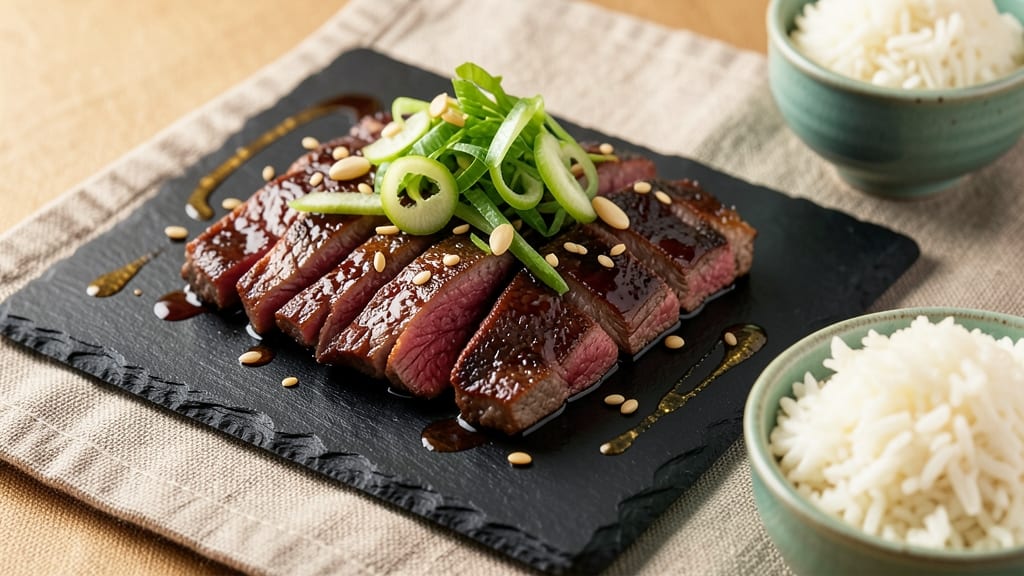
This Asian beef recipe idea delivers the bold flavors of wok-fired umami with fresh ginger heat—perfect for weeknight dinners or weekend feasts. 🔥 I developed this recipe after years of testing different marinades and stir-fry techniques, and it never fails to impress.
The secret lies in high-heat cooking and balancing sweet, salty, and spicy elements for depth.
The foundation starts with thinly sliced beef marinated in a blend of soy sauce, garlic, and ginger, which tenderizes the meat while infusing it with aromatic flavors.
We'll stir-fry it quickly over high heat to achieve that signature wok-fired texture, then toss it with crisp vegetables and a sauce that's tangy, slightly sweet, and packed with umami from oyster sauce. Every bite delivers a perfect balance of textures—crisp, tender, and chewy.
What makes this dish truly special is its versatility. Serve it over steamed jasmine rice for a classic presentation, or wrap it in warm tortillas with fresh cilantro and lime for a handheld meal.
The flavors only get better as they sit, making it ideal for meal prep. Whether you're cooking for two or feeding a crowd, this stir-fry brings restaurant-quality results to your home kitchen.
Ready in just 30 minutes, this recipe is designed for efficiency without sacrificing flavor. The key to success? Proper prep—thinly sliced beef, prepped vegetables, and a well-stocked sauce. Let's get cooking! The aroma alone will have everyone at the table asking for seconds.
Ingredients for asian beef recipe ideas
Bold flavors start here—thinly sliced beef, zesty ginger, and umami-packed sauce.
| Ingredient | Amount | Notes |
|---|---|---|
| Flank Steak 🥩 | 1 ½ lb | Thinly sliced against grain |
| Low-Sodium Soy Sauce 🥄 | ½ cup | For marinade and sauce |
| Fresh Ginger 🌿 | 2 tbsp | Grated, aromatic variety |
| Garlic Cloves 🧄 | 6 cloves | Minced, fresh preferred |
| Oyster Sauce 🍜 | ¼ cup | High-quality brand recommended |
| Sesame Oil 🫒 | 1 tbsp | For aroma, not cooking |
| Honey 🍯 | 1 tbsp | Pure, for balance |
| Cornstarch 🌾 | 1 tbsp | For tenderizing beef |
| Vegetable Oil 🫒 | ¼ cup | High smoke point |
| Red Bell Pepper 🌶️ | 1 whole | Sliced into strips |
| Broccoli Florets 🥦 | 2 cups | Fresh or frozen |
| Green Onions 🧅 | 3 whole | Sliced, white and green parts |
| Jasmine Rice 🍚 | 1 ½ cups | Uncooked, long grain |
| Sesame Seeds 🌱 | 1 tbsp | Toasted, for garnish |
| Red Pepper Flakes 🌶️ | ½ tsp | Adjust to taste |
The beef is everything. Flank steak slices like a dream when you cut against the grain—look for the grain direction, it's usually marked. Costco or Whole Foods carry the best quality, but any grocery store's butcher section works. If you can't find flank, sirloin is a good swap, but slice it extra thin. The ginger? Fresh is non-negotiable—dried won't give that bright zing. Buy a big knob and freeze half for next time. And that soy sauce? Low-sodium version keeps the balance right without extra salt.
No oyster sauce? Hoisin sauce plus a splash of soy gets you close, though it's not quite the same. Running short on cornstarch? Arrowroot powder works 1:1. The bell pepper can be swapped for snap peas or carrots if you're feeling different. Broccoli? Frozen florets are fine—just don't thaw them first. For the rice, jasmine is ideal, but basmati works too. And that sesame oil? Just a drizzle for aroma—don't cook with it or it'll get bitter. Toast your own sesame seeds in a dry pan for 30 seconds—they'll smell amazing and add crunch.
This stir-fry tastes even better the next day. Store leftovers in an airtight container with a paper towel on top to keep things crisp. Keeps 4-5 days in the fridge, or freeze for 3 months if you're prepping for the week. I always double the sauce and freeze half—perfect for quick reheats. For serving, I like to keep the rice warm in a rice cooker and reheat the beef separately so it stays crisp. Garnish with those toasted sesame seeds right before eating—they add that restaurant-quality finish.
Why You'll Love This Recipe
- Slice-and-Serve Simplicity: I swear by this recipe when I’m too tired to chop for hours. Flank steak slices in minutes, and the sauce? Just stir, simmer, done. No fancy techniques—just good flavor.
- Umami Bomb Combo: That oyster sauce and low-sodium soy sauce? Chef’s kiss. The ginger and garlic hit like a warm hug, but the real magic is how the beef stays tender while the edges get that perfect sear. My husband licks the plate.
- Lunchbox Hero: Between us, this is my secret weapon for meal prep. Toss the cooled beef with rice and veggies, and you’ve got a week’s worth of lunches that taste like takeout. (Yes, even on a Tuesday night.)
- Budget-Friendly Powerhouse: Flank steak stretches further than you’d think, and the pantry staples here won’t break the bank. Leftovers? Even better—reheat and serve over noodles or in wraps. My wallet thanks me.
Step-by-step instructions for wok-fired Asian beef stir-fry
Here's how to turn simple ingredients into a restaurant-quality stir-fry with bold flavors and perfect texture.
🍳 Step 1: Prep the Beef and Make the Marinade
Slice the 1.5 lb flank steak thinly against the grain into ¼-inch strips. Place them in a bowl and mix with the 1 tbsp cornstarch, tossing to coat evenly. This creates a tenderizing crust that prevents toughness during cooking.
In a separate bowl, whisk together the 0.5 cup low-sodium soy sauce, 0.25 cup oyster sauce, 1 tbsp honey, 2 tbsp grated fresh ginger, and 6 minced garlic cloves. Pour this marinade over the cornstarch-coated beef, ensuring every strip is well-coated. Let it marinate for at least 20 minutes (up to 1 hour for deeper flavor).
🍳 Step 2: Cook the Jasmine Rice
Rinse the 1.5 cups jasmine rice under cold water until the water runs clear, then drain well. Cook according to package instructions (typically 1:1.5 rice-to-water ratio and 15 minutes of simmering). Fluff with a fork and keep covered while you prepare the stir-fry.
I like to cook the rice first so it's ready to serve while the stir-fry sizzles. The rice should be tender but still have a slight bite—this balances the rich stir-fry flavors perfectly. Don't skip rinsing; it removes excess starch that can make rice gummy.
🔥 Step 3: Stir-Fry the Vegetables
Heat a large wok or skillet over high heat until smoking, then add the 0.25 cup vegetable oil. Toss in the 2 cups broccoli florets and 1 whole red bell pepper (sliced into strips), stirring constantly for 3-4 minutes until the broccoli turns bright green and the peppers soften slightly.
Add the 3 whole green onions (sliced) and 0.5 tsp red pepper flakes, stirring for another 30 seconds. Remove the vegetables to a plate and set aside. The vegetables should be crisp-tender—not mushy—so they hold up to the beef. Don't overcrowd the pan or they'll steam instead of stir-fry.
🍳 Step 4: Cook the Beef and Combine
Working quickly, add the marinated beef to the wok in a single layer. Let it sear undisturbed for 1-2 minutes until the bottom turns golden brown. Stir-fry for another 2-3 minutes until the beef is cooked through but still juicy. Remove the beef to the plate with the vegetables.
Return the wok to high heat and add the 1 tbsp sesame oil. Pour in the reserved marinade from the beef bowl and scrape up any browned bits from the bottom of the pan. Simmer for 1-2 minutes until the sauce thickens slightly. Pour this sauce over the beef and vegetables, tossing everything together.
🍽️ Step 5: Serve with Garnishes
Divide the jasmine rice among serving plates and top each with the beef stir-fry. Drizzle with any remaining sauce from the wok. Sprinkle with 1 tbsp toasted sesame seeds and extra sliced green onions for freshness and crunch.
Serve immediately while everything is hot. The stir-fry should be vibrant with tender beef, crisp vegetables, and a glossy sauce that coats every bite. If the sauce seems too thick, add a splash of water or reserved marinade to loosen it. This dish tastes best fresh out of the wok!
Pro Tips For Making Asian Beef Recipe Ideas
- Slice Against the Grain: I learned this the hard way—cutting flank steak with the grain before cooking makes it tougher than a boot heel. Instead, slice it thinly against the grain after cooking, when it’s tender. A sharp knife and 45-degree angle save your hands (and your patience).
- Mince Ginger Like You Mean It: Fresh ginger loses its kick when it’s just chopped. Use a microplane or the finest grater—you want it almost paste-like, not just diced. Trust me, your sauce will taste brighter, and you’ll use less. (Yes, even if you’re impatient like me.)
- Don’t Crowd the Pan: I used to toss everything in at once, and the garlic burned before the beef got seared. Start with the steak on high heat—no oil needed—until deep brown crust forms. Only then add garlic and ginger; they’ll sizzle, not smoke.
- Deglaze with Soy Sauce Last: The magic happens in the pan’s fond. After searing the beef, splash in a little water or broth first to loosen those brown bits. Then add the soy sauce—it’ll deepen the flavor instead of just floating on top like a sad, flavorless puddle.
Serving suggestions for this asian beef recipe ideas
Rice Pairings
Jasmine rice is my go-to base for this stir-fry—its floral aroma and slightly sticky texture soak up the bold flavors perfectly. I always cook 1.5 cups uncooked jasmine rice for four servings, rinsing it first to remove excess starch.
For extra fluffiness, use a rice cooker or steam it in a bamboo basket. If you prefer a nuttier profile, swap in brown jasmine rice—just add 5 extra minutes to the cooking time. 🍚
For a heartier meal, serve over forbidden black rice—its deep purple hue adds visual drama and a slightly chewy texture. Or try short-grain sushi rice for a stickier bite that holds up to the beef's juices.
Pro tip: Cook rice in batches if feeding a crowd to avoid soggy results.
Noodle Alternatives
Swap rice for rice noodles—I love vermicelli or pad thai noodles—for a lighter option. Cook them according to package instructions, then toss with the stir-fry and a splash of fish sauce—about 1 tsp—for extra umami.
For a gluten-free option, use shirataki noodles—they're low-calorie and absorb flavors well. Just rinse them thoroughly before cooking to remove any bitter aftertaste.
For a more substantial noodle dish, try udon or ramen noodles—their chewy texture contrasts beautifully with the tender beef. Boil them until al dente, then drain and toss with the stir-fry.
Add a drizzle of chili oil—about ½ tsp—for a spicy kick that cuts through the richness. I often serve this with a side of pickled vegetables to balance the meal.
Fresh Garnishes
Toasted sesame seeds—about 1 tbsp—are my secret weapon for adding crunch and aroma. Toast them in a dry pan over medium heat—just 30 seconds—until golden and fragrant.
Fresh cilantro or Thai basil—about ¼ cup chopped—adds a bright, herbal note that brightens the dish. For a smoky touch, sprinkle with crushed peanuts—about 2 tbsp—for extra texture.
Lime wedges are a must for serving—squeeze a little over each portion to cut through the richness. I also like to add bean sprouts—about ½ cup—for a crisp, fresh element that adds color.
For a pop of heat, finish with chili crisp—about ½ tsp—or a sprinkle of Sichuan peppercorns—about ¼ tsp—for a tingling sensation.
Dipping Sauces
A simple soy-ginger dipping sauce—mix 2 tbsp soy sauce, 1 tsp grated ginger, and ½ tsp honey—elevates every bite. For extra depth, add 1 tsp rice vinegar—it brightens the flavors without overpowering.
Serve it in small bowls on the side so everyone can customize their experience. I often double the recipe to have leftovers for future meals.
For a creamy option, blend ¼ cup Greek yogurt, 1 tbsp hoisin sauce, and ½ tsp sesame oil—this adds a tangy contrast to the savory beef.
Another favorite is a spicy sriracha mayo—mix 2 tbsp mayo—with 1 tsp sriracha—and a pinch of garlic powder. Drizzle lightly over the stir-fry or serve on the side for dipping.
Meal Prep Tips
This stir-fry reheats beautifully—store leftovers in an airtight container—with a paper towel on top to keep the beef crisp. Reheat in a skillet over medium heat—about 3-4 minutes—with a splash of water to prevent drying.
For meal prep, I like to portion the rice and stir-fry separately, then assemble when ready to eat. This keeps everything fresh and prevents soggy textures.
Freeze portions in glass containers—up to 3 months—for quick weeknight dinners. Thaw overnight in the fridge, then reheat gently. To revive frozen stir-fry, add 1 tsp cornstarch—and a splash of water to the sauce before reheating—this helps restore the glossy texture.
I always label containers with the date to track freshness.
Nutrition facts
Frequently asked questions
What's the best cut of beef for this Asian stir-fry?
Flank steak is ideal because it's lean, flavorful, and slices thinly against the grain. Sirloin works too, but ask your butcher to cut it ¼-inch thick—thinner slices cook faster and stay tender. Avoid tougher cuts like chuck; they need longer marinating. For extra tenderness, pound the beef lightly with a meat mallet before slicing.
Can I make this recipe without a wok?
Use a large skillet or cast-iron pan—just make sure it's heavy-duty to handle high heat. A griddle works too, but avoid nonstick pans (they can't handle the high heat needed for that signature wok-fired texture). The key is working in batches if needed to avoid overcrowding.
How do I adjust the spice level?
Start with the 0.5 tsp red pepper flakes in the recipe, then adjust to taste. For milder heat, reduce to ¼ tsp or omit entirely. For extra kick, add ½ tsp chili crisp or 1 tsp sriracha to the sauce. Pro tip: Toast the red pepper flakes in a dry pan for 30 seconds first—they’ll release more aroma without extra heat.
What if I don't have oyster sauce?
No problem! Mix 1 tbsp hoisin sauce + 1 tsp soy sauce + ½ tsp honey for a close substitute. For deeper umami, add 1 tsp fish sauce or ½ tsp MSG. Avoid substituting with just soy sauce—it won’t replicate the rich, slightly sweet complexity of oyster sauce. The texture will be slightly thinner, but the flavors will still shine.
Can I make this dish ahead of time?
Yes! Store components separately in an airtight container—cooked rice, beef, and veggies. Reheat the beef and veggies in a skillet over medium heat for 3-4 minutes with a splash of water to restore moisture. The rice can be reheated in a rice cooker or steamed. For best results, assemble and serve immediately after reheating to keep textures crisp.