
Main Courses
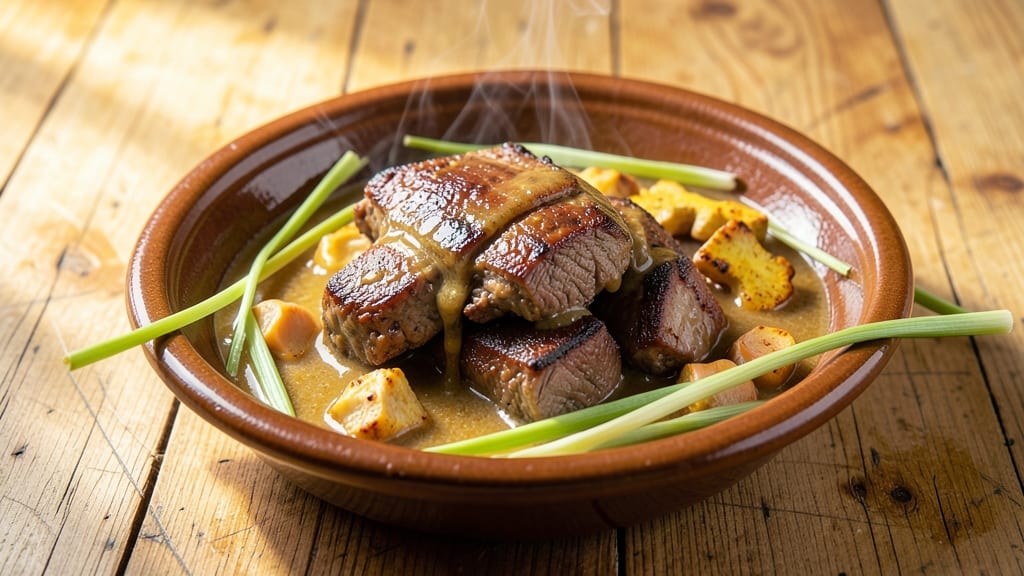
This authentic beef rendang recipe brings the rich, caramelized flavors of Indonesia straight to your kitchen—slow-cooked until the beef falls apart in tender, spice-infused perfection. 🌟 The secret lies in layering aromatic spices with coconut milk, then simmering for hours until the sauce reduces to a thick, glossy glaze.
This isn’t just a dish; it’s a labor of love that transforms tough beef into melt-in-your-mouth bites with deep, complex flavors.
What sets this rendang apart is the traditional technique: marinating the beef in a paste of lemongrass, galangal, and turmeric, then slow-cooking it in multiple stages to develop those signature caramelized edges.
The key is patience—low heat and time allow the spices to meld into the meat, creating a dish that’s both comforting and bold. Unlike shortcut versions, this recipe stays true to its roots, delivering the same depth of flavor you’d find in a Minangkabau home.
By the time you serve it, you’ll have a dish that’s rich, aromatic, and impossibly tender—perfect over steamed jasmine rice or with a side of spicy sambal. The sauce clings to every bite, offering layers of heat, sweetness, and earthy spice.
This is the kind of meal that turns a simple dinner into a celebration, all while keeping the authenticity of Indonesian cuisine intact.
Ready to master this slow-cooked masterpiece? The process is straightforward, but the results are unforgettable. Let’s get started on creating a dish that’s as rewarding to make as it is to eat.
Ingredients for authentic beef rendang
Authentic Indonesian flavors start with these aromatic ingredients—each playing a role in creating that signature caramelized richness.
| Ingredient | Amount | Notes |
|---|---|---|
| Beef Chuck Roast 🥩 | 2 ½ lb | Cut into 2-inch cubes, marbled |
| Coconut Milk 🥥 | 2 cans | Full-fat, 13.5 oz each, unsweetened |
| Lemongrass Stalks 🌿 | 3 whole | Bruised, bottom 3 inches only |
| Galangal Root 🍃 | 1 piece | 3-inch piece, peeled, sliced |
| Turmeric Root 🧡 | 1 piece | 3-inch piece, peeled, sliced |
| Ginger Root 🧄 | 2 tbsp | Freshly grated, aromatic |
| Shallots 🧅 | 6 whole | Peeled, halved lengthwise |
| Garlic Cloves 🧄 | 8 cloves | Peeled, smashed |
| Kaffir Lime Leaves 🍋 | 4 whole | Bruised, torn into strips |
| Red Curry Paste 🌶️ | ½ cup | Authentic, no added sugar |
| Brown Sugar 🍯 | ¼ cup | Packed, light variety |
| Coconut Oil 🫒 | 2 tbsp | For searing, refined |
| Salt 🧂 | 1 ½ tsp | Kosher or sea salt |
| Black Peppercorns 🌶️ | 1 tsp | Crushed, freshly ground |
| Jasmine Rice 🍚 | 2 cups | Uncooked, long-grain |
The beef is non-negotiable—chuck roast with good marbling breaks down beautifully. Look for it at Whole Foods or your local Asian market if you want to splurge on grass-fed cuts. Fresh galangal and turmeric root are the soul of rendang, but if you can't find them, ginger and a pinch of cinnamon will get you close. Lemongrass should be fragrant and firm—avoid the wilted stalks. For coconut milk, Thai Kitchen brand is reliable, but if you can find Bintan coconut milk at an Asian grocery, it's worth the extra cost for that authentic taste.
No kaffir lime leaves? Substitute lime zest plus a splash of lime juice—it won't be identical, but you'll still get that citrus brightness. Running short on shallots? Substitute red onion at double the amount, but taste first—they're more pungent. The curry paste is where most shortcut recipes fail—Maesri or Thai Kitchen brands are your best bets. For the brown sugar, demerara works too, but pack it tightly for accurate measurement. If you're feeling adventurous, toast your spices in coconut oil for 30 seconds before adding—they'll release their oils and deepen the flavor profile.
This dish tastes even better the next day as the flavors meld. Store leftovers in an airtight container in the fridge for up to 5 days, or freeze for 3 months. The sauce thickens as it cools, so add a splash of water when reheating. For serving, always pair with jasmine rice—the grains should be slightly sticky and separate. If you're making this for a crowd, double the recipe—the extra effort is worth it for the second day's leftovers, which are legendary.
Why You'll Love This Recipe
- One-Pot Magic: I swear by this—just dump everything in a Dutch oven and let it slow-simmer. No chopping finesse needed (my galangal’s always lumpy, but no one cares when it’s buried in coconut milk).
- Deep, Slow Love: That beef falls apart like it’s been cooking for days, but honestly, it’s the turmeric and lemongrass doing the heavy lifting. The first bite? Rich, spicy, and smoky—like a hug in sauce form.
- Leftovers That Lie: Between us, this tastes better the next day. I make it on Sundays, reheat it all week, and my coworkers still beg for the recipe. (Yes, I’ve been called a hero.)
- Budget Feast Maker: A cheap cut of beef becomes a showstopper—no fancy ingredients, just coconut milk and patience. Feeds six for less than takeout, and the leftovers stretch into lunches without breaking the bank.
Step-by-step instructions for authentic beef rendang
Here's how to craft this legendary Indonesian dish—patient work rewarded with deep, caramelized flavors.
🔥 Step 1: Sear the Beef for Maximum Flavor
Heat the 2 tablespoons coconut oil in a heavy Dutch oven over medium-high heat until shimmering. Working in batches to avoid crowding, add the 2.5 lb beef chuck roast cut into 2-inch cubes and sear until deeply browned on all sides—about 3-4 minutes per side. You want that beautiful Maillard reaction creating layers of flavor.
Don't rush this step. The beef should develop a rich crust before you remove it. Transfer the seared beef to a plate and set aside. I like to keep the rendered fat in the pot—it's full of flavor that will infuse into the sauce later. If needed, add a splash of water to deglaze and scrape up those delicious browned bits from the bottom.
👨🍳 Step 2: Build the Aromatic Spice Base
In the same Dutch oven, add the 6 whole shallots (halved lengthwise), 8 cloves garlic (smashed), 2 tablespoons ginger root (freshly grated), 1 piece galangal root (peeled and sliced), and 1 piece turmeric root (peeled and sliced). Cook over medium heat for 5-6 minutes until the shallots soften and become translucent.
Here's where the magic begins. Add the 3 whole lemongrass stalks (bruised, bottom 3 inches only) and 4 whole kaffir lime leaves (bruised and torn into strips). Stir in the 0.5 cup red curry paste and cook for another 2 minutes until fragrant. The spices should release their essential oils and create an intoxicating aroma that fills your kitchen.
🥘 Step 3: Simmer the Coconut Milk Mixture
Pour in both 2 cans coconut milk, stirring to combine with the spice paste. Add the 0.25 cup brown sugar, 1.5 teaspoons salt, and 1 teaspoon black peppercorns (crushed). Return the seared beef to the pot, along with any accumulated juices. Bring to a gentle simmer over low heat, then reduce to the lowest setting possible—this is where rendang earns its reputation.
Here's the thing about rendang: it's all about slow, gentle cooking. The liquid should barely bubble, just enough to create a gentle simmer. Cover the pot and let it cook for 2.5 hours, stirring occasionally to prevent sticking. You'll notice the sauce gradually thickens and darkens as it reduces. This is when the deep, caramelized flavors develop.
⏰ Step 4: Reduce and Develop the Signature Bark
After 2.5 hours, uncover the pot and increase heat to medium-low. Let the sauce reduce further, stirring frequently, until it becomes thick and glossy with a beautiful dark brown color—this is the signature "bark" that gives rendang its name. The beef should be tender enough to pull apart with a fork, but still have some resistance.
This reduction process can take another 1-1.5 hours, so be patient. The sauce should coat the back of a spoon and the beef should be falling off the bone. If it's not quite there, continue cooking and stirring. The longer it cooks, the more intense the flavors become. You'll know it's ready when the sauce has a jam-like consistency and the beef is fork-tender.
🍳 Step 5: Prepare and Serve with Jasmine Rice
While the rendang finishes cooking, prepare the 2 cups jasmine rice according to package instructions. I like to cook it in a separate pot so the rice doesn't absorb any of the rich rendang juices. The rice should be fluffy and separate when done.
To serve, ladle the beef and sauce over the steamed jasmine rice. The rendang should be thick enough to cling to each grain of rice, creating a perfect balance of flavors. Garnish with additional kaffir lime leaves if desired. This dish tastes even better the next day as the flavors continue to meld and deepen, so consider making extra for leftovers.
Pro Tips For Making Authentic Beef Rendang
- Bloom the Spices First: Sauté your turmeric, galangal, and lemongrass in oil for 5 minutes before adding anything else—this unlocks their flavors instead of letting them sit bland in the coconut milk. I used to skip this, and the dish always tasted underwhelming until I realized the spices needed to wake up.
- Use Two Coconut Milk Batches: Start with thick coconut milk for depth, then add light coconut milk later to balance richness without making the sauce greasy. After burning through cheap brands, I learned this two-step approach keeps the texture silky and the flavor layered.
- Don’t Rush the Simmer: Let the beef render slowly in the spiced coconut milk for at least 2 hours—low and steady is the only way to get that fall-apart tenderness. I tried speeding it up once, and the meat stayed chewy, no matter how long I cooked it after.
- Char the Lemongrass: Lightly blacken the lemongrass stalks over a flame before adding them to the pot—it adds a smoky depth that store-bought pastes can’t replicate. Sounds weird, but it works: the aroma changes instantly, and the dish tastes more complex.
Make-ahead tips for this recipe
Marinate Ahead
I always prep the beef marinade the night before to let flavors penetrate deeply. Combine the 2.5 lb beef chuck roast with 0.5 cup red curry paste, 2 tbsp grated ginger, 3 smashed garlic cloves, 1 tbsp brown sugar, and 1 tsp salt.
Store in a sealed container in the fridge for 12-24 hours—this transforms tough beef into melt-in-your-mouth perfection. 🌟
Slow-Cooker Shortcut
For busy days, transfer the seared beef and spice mixture to a 6-quart slow cooker after Step 2. Add the coconut milk and simmer on low for 6-8 hours instead of stovetop.
The slow cooker maintains gentle heat perfectly, letting flavors develop without constant monitoring. Just stir occasionally and reduce the sauce on the stovetop at the end.
Freezer Prep
Make a double batch and freeze half for future meals! After Step 3 (before final reduction), let the mixture cool completely, then transfer to airtight freezer-safe containers. Thaw overnight in the fridge, then finish cooking on the stovetop.
The flavors actually improve after freezing—the spices meld even more beautifully. Label containers with dates for up to 3 months of storage. ❄️
Make-Ahead Sauce
Want to save time? Prepare just the spiced coconut sauce ahead of time. Combine all sauce ingredients (except beef) in a pot and reduce on the stove until thickened. Store in the fridge for up to 5 days, then add the beef when ready to cook.
This lets you control the cooking process more precisely—just sear the beef fresh and add it to the pre-made sauce.
Leftovers Strategy
Rendang tastes even better the next day, so plan accordingly! Store leftovers in an airtight container in the fridge for 4-5 days. Reheat gently with 2 tbsp water or coconut milk to restore moisture.
The sauce thickens as it cools, so add a splash when reheating. I often serve leftovers cold over rice for a quick lunch—it's a game-changer for busy weekdays. 💡
Batch Cooking
This dish is perfect for batch cooking! Double the recipe and freeze portions for up to 3 months. Use one portion for a quick weeknight dinner by simply reheating. The deep flavors develop more intensely with time, making it ideal for meal prep.
I like to portion into individual containers so I can grab just what I need—perfect for feeding a family or meal prepping for the week. 📅
Nutrition facts
Frequently asked questions
Why does authentic beef rendang need such a long cooking time?
The slow cooking is essential to develop the signature caramelized flavors and tenderize the beef. At low heat for 4-5 hours, the spices infuse deeply into the meat while the coconut milk reduces to a thick, glossy sauce. This gradual process creates the complex, layered taste that makes rendang special—rushing it would result in a watery, underflavored dish.
Can I substitute beef with chicken or pork?
While traditional rendang uses beef, you can adapt it for chicken (cook for 30-40 minutes less) or pork (similar time to beef). However, the texture and flavor will differ—beef's richness is key to authentic rendang. For chicken, use bone-in thighs for better moisture retention, and reduce the cooking time to 3-3.5 hours total.
What's the best way to store leftover rendang?
Store in an airtight container in the fridge for up to 5 days, or freeze for 3 months. The flavors actually improve overnight! When reheating, add 2 tablespoons of water or coconut milk to restore moisture. For serving cold, it makes a fantastic quick lunch over rice—just add a squeeze of lime for brightness.
How do I know when the sauce is reduced enough?
The sauce should coat the back of a spoon and have a jam-like consistency with visible caramelized bits. Test by spooning some onto a plate—it should hold its shape rather than spread. The beef should be fork-tender but still hold together slightly. If it's too thin, uncover and simmer uncovered on medium-low heat for another 15-20 minutes, stirring often.
What's the secret to getting that perfect dark brown color?
The deep color comes from prolonged reduction at low heat and frequent stirring. The longer you cook it uncovered, the more the sugars caramelize. For extra depth, add 1 tablespoon of tamarind paste or 1 teaspoon of soy sauce during the final 30 minutes of cooking. Just be careful not to burn the sauce—keep the heat gentle and stir constantly.