
Main Courses
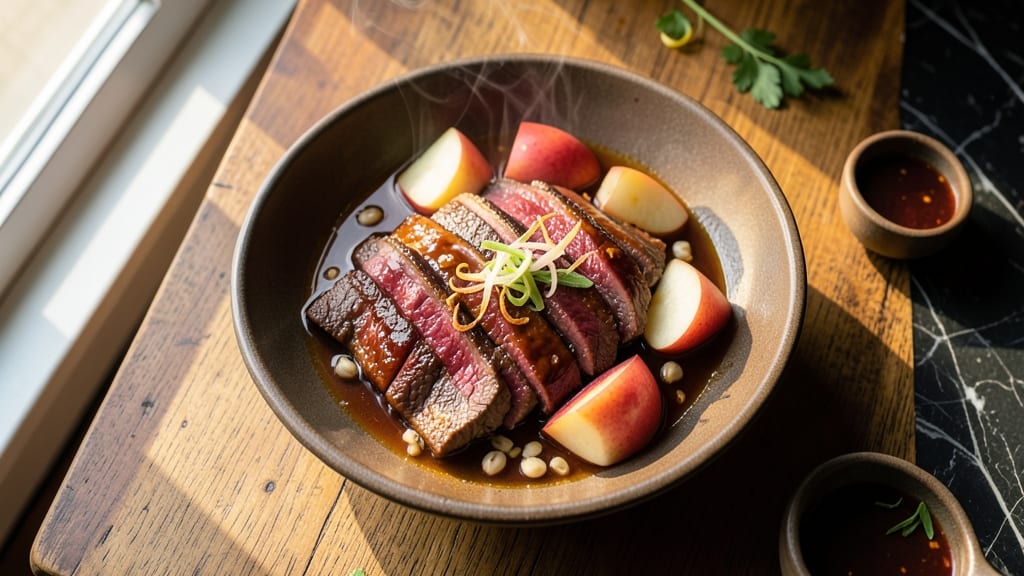
This authentic Korean beef recipe transforms simple ingredients into restaurant-quality bulgogi with a caramelized glaze that sticks to every bite. The secret lies in marinating ribeye or sirloin for hours with a blend of soy sauce, brown sugar, garlic, and a touch of pear—traditional for tenderizing and adding natural sweetness.
What sets this apart is the high-heat pan searing that creates that signature glossy, slightly crispy crust while keeping the meat juicy inside.
The process mimics Korean BBQ techniques by cooking the beef in batches to avoid overcrowding, allowing the marinade to caramelize into a sticky, aromatic sauce. This method delivers the same bold flavors you'd find at a Korean grill house, but with the convenience of a home kitchen.
The result? Beef that's tender yet firm, coated in a perfect balance of sweet, spicy, and umami-rich glaze that clings beautifully.
What makes this recipe truly authentic is the attention to detail—from the precise marinade ratio to the high-heat cooking method that develops deep caramelization. Serve it over steamed rice with classic banchan sides, or wrap it in lettuce leaves for a refreshing twist.
The flavors only get better as they sit, making it ideal for meal prep or entertaining.
Whether you're recreating a traditional Korean meal or introducing someone to the flavors of Korea, this recipe delivers professional-quality results with simple techniques. The key is patience in marinating and confidence in high-heat cooking—both of which pay off in every bite. Ready to bring authentic Korean beef to your table?
Ingredients for authentic korean beef
Authentic Korean flavors start with these carefully selected ingredients for restaurant-quality bulgogi.
| Ingredient | Amount | Notes |
|---|---|---|
| Ribeye or Sirloin Steak 🥩 | 1 ½ lb | Thinly sliced against the grain |
| Korean Soy Sauce (Ganjang) 🥫 | ½ cup | High-quality, preferably Korean brand |
| Brown Sugar 🍯 | ½ cup | Packed, light or dark |
| Ripe Asian Pear 🍐 | 1 whole | For natural sweetness and tenderness |
| Garlic Cloves 🧄 | 8 cloves | Minced, fresh preferred |
| Fresh Ginger 🌿 | 1 tbsp | Grated, peeled |
| Sesame Oil 🫒 | 1 tbsp | Toasted, for aroma |
| Gochugaru (Korean Red Pepper Flakes) 🌶️ | 1 tbsp | Adjust for spice preference |
| Asian Pear or Apple 🍎 | 1 whole | Thinly sliced, for serving |
| Green Onions 🧅 | 4 whole | Thinly sliced, for garnish |
| Sesame Seeds 🌾 | 1 tbsp | Toasted, for garnish |
| Vegetable Oil 🫒 | 2 tbsp | High smoke point for searing |
| Steamed White Rice 🍚 | 2 cups | For serving, cooked |
| Korean Lettuce (Optional) 🥬 | 4 whole | For wrapping, if desired |
The quality of your beef and soy sauce makes all the difference. Ribeye or sirloin delivers the best texture, and Korean ganjang adds depth that regular soy sauce can't match. Look for Korean brands like Doenjang or Ganjang at Asian markets or well-stocked grocery stores. The pear isn't just for sweetness—it tenderizes the meat through its natural enzymes. Ripe but firm pears work best, like those found in the produce section of H Mart or Trader Joe's. For the gochugaru, Maesil or Nongshim brands provide authentic heat and color, available at Korean grocery stores or online.
No Korean soy sauce? Substitute with a mix of regular soy sauce and a touch of mirin—it won't be identical, but it works in a pinch. Short on pears? Use an extra tablespoon of brown sugar and a splash of apple juice instead. The garlic and ginger can be swapped for garlic powder and ground ginger, though fresh is ideal. For the Asian pear slices, Fuji apples are a good substitute if you can't find Korean pears. The sesame oil is essential for that signature aroma—don't skip it, even if you're not a fan of the flavor. If you're avoiding gluten, use a tamari-style soy sauce instead of regular ganjang.
Marinate the beef for at least 4 hours, but overnight is ideal for maximum tenderness. Store the marinade in an airtight container in the fridge. The sliced pears and green onions can be prepped ahead and kept in the fridge for 2-3 days. Cook the rice fresh or use day-old rice for better texture. Leftover bulgogi reheats beautifully—5 minutes in a skillet over medium heat restores its caramelized glaze. Portion into meal prep containers with rice for easy lunches. The flavors deepen as it sits, so this dish tastes even better the next day.
Why You'll Love This Recipe
- Foolproof Timing: I swear by this—no fancy searing skills needed. Toss the steak in a hot pan for 2-3 minutes per side, then let the ganjang and pear sauce do the work while you prep rice. The steak stays juicy, and the sauce caramelizes effortlessly. Honestly, my weeknights thank me.
- Sweet-Savory Magic: That Asian pear isn’t just a garnish—it melts into the sauce, balancing the ganjang’s salt with natural sweetness. The brown sugar adds a caramelized depth, while the garlic cloves infuse the oil with punch. One bite and you’ll understand why this isn’t just "Korean beef," but ridiculously good Korean beef.
- Weeknight to Dinner Party: Same recipe, different vibes. Use it as a quick protein for stir-fries or rice bowls, or double the batch for a crowd. I’ve served it at potlucks (it disappears fast) and as a lazy Sunday supper. The sauce keeps well, so you’re always covered—whether it’s takeout night or guests over.
- Leftovers That Don’t Suck: Most beef dishes dry out or get bland after reheating. Not this one. The pear keeps the sauce glossy, and the steak stays tender when warmed through. I meal prep this all the time—just reheat with a splash of water, and it’s like it was just made. (Yes, even on a Tuesday night.)
Step-by-step instructions for authentic Korean beef with sweet-spicy glaze
Master the technique of caramelizing the glaze while preserving the beef's tenderness.
Prepare the Beef and Glaze Ingredients
Begin by slicing the 1.5 lb ribeye or sirloin steak against the grain into thin strips, about ¼-inch thick. This ensures each bite remains tender. Place the sliced beef in a bowl and set aside. In a separate bowl, combine 0.5 cup Korean soy sauce (ganjang), 0.5 cup packed brown sugar, 8 cloves minced garlic, 1 tbsp grated ginger, 1 tbsp gochugaru, and 1 tbsp sesame oil. Mix thoroughly to create a balanced marinade that will infuse the beef with authentic Korean flavors.
Peel and finely dice 1 whole ripe Asian pear—its natural sweetness will complement the glaze beautifully. Thinly slice 1 whole Asian pear or apple and 4 whole green onions for garnish. Toast 1 tbsp sesame seeds in a dry skillet over low heat for 1-2 minutes until fragrant, then set aside. These finishing touches elevate the dish from ordinary to exceptional.
Marinate the Beef and Develop the Glaze
Pour the marinade over the sliced beef and toss gently to coat evenly. Let it marinate for at least 30 minutes (up to 2 hours for deeper flavor). While the beef marinates, heat 2 tbsp vegetable oil in a large skillet over medium-high heat. Add the diced Asian pear and cook for 3-4 minutes until softened but not browned. Remove the pear with a slotted spoon and set aside.
In the same skillet, add the marinated beef in a single layer, ensuring pieces aren’t overcrowded. Sear for 2-3 minutes until the beef releases from the pan easily. Remove the beef and set aside, leaving the rich, caramelized bits in the pan—this is the foundation of your glaze. Reduce heat to medium and pour in any remaining marinade from the bowl, scraping up the browned bits with a wooden spoon.
Caramelize the Glaze and Finish the Beef
Return the seared beef to the skillet and add the reserved diced Asian pear. Simmer for 4-5 minutes over medium heat, stirring occasionally, until the glaze thickens and coats the beef. The sauce should reduce to a glossy, syrupy consistency—this is where the authentic Korean technique shines. If the glaze thickens too quickly, add 1-2 tablespoons of water to loosen it.
Taste and adjust seasoning with additional gochugaru if more heat is desired, or a pinch of salt if the glaze needs balance. Once the glaze is perfectly caramelized and the beef is tender, remove the skillet from heat. The beef should be glossy, sticky, and infused with layers of sweet, spicy, and umami flavors.
Serve with Traditional Accompaniments
Transfer the beef to a serving platter and arrange the thinly sliced Asian pear or apple and green onions on top. Sprinkle with toasted sesame seeds for texture and visual appeal. Serve immediately over 2 cups steamed white rice, allowing guests to wrap the beef and rice in 4 whole Korean lettuce leaves (if using) for a hands-on dining experience.
Each bite should deliver a harmonious blend of tender beef, sticky-sweet glaze, and the subtle crunch of fresh garnishes. The rice acts as a neutral canvas, letting the flavors of the beef shine. For an extra touch of authenticity, serve with a side of kimchi to complement the dish’s rich, spicy-sweet profile.
Pro Tips For Making Authentic Korean Beef
- Slice the Pear Thin: The Asian pear isn’t just for sweetness—it’s the glue that binds the sauce. Cut it paper-thin (⅛-inch slices) so it dissolves into the ganjang and sugar without leaving chewy chunks. I used to dice it like an apple, and the texture was all wrong.
- Sear the Meat Twice: First sear the steak in a screaming-hot pan until deeply browned, then pull it out. After building the sauce, return the meat to the pan and sear it again—this time just 30 seconds per side—to lock in those caramelized flavors. Skipping this second sear means missing half the depth.
- Use Less Sugar at First: Brown sugar burns faster than you’d think, especially when mixed with ganjang. Start with 2 tablespoons, taste the sauce after simmering, then add more if needed. I learned this the hard way when my first batch turned bitter—now I adjust gradually.
- Crush the Garlic Coarsely: Minced garlic burns in seconds, turning the sauce bitter. Instead, smash 3-4 cloves with the flat side of your knife (no chopping) and let them sit in the pan for 30 seconds before adding liquid. The flavor infuses without scorching—trust me, your nose will thank you.
Creative variations of authentic korean beef
Spicy Galbi Twist
Transform your bulgogi into spicy galbi by swapping ribeye for thinly sliced beef short ribs (about 2 lbs). Marinate them with an extra 1 tbsp gochugaru and 1 tbsp sesame paste for deeper umami.
Cook the ribs in batches over medium-high heat until caramelized on all sides—this method mimics traditional Korean galbi grilling. Serve with ssamjang (a spicy dipping sauce) for extra heat and texture. 🌶️
Miso-Infused Fusion
Add 2 tbsp white miso paste to the marinade for a Japanese-Korean fusion twist. Use sirloin instead of ribeye and grill the beef on a flattop or cast-iron skillet until the glaze turns deep amber.
Garnish with pickled ginger and shiso leaves for a refreshing contrast. This variation keeps the sweet-spicy balance while adding a savory depth from the miso. 🍜
Vegetarian Bulgogi
Swap beef for extra-firm tofu or mushroom blend (shiitake + king oyster). Press tofu to remove excess water, then slice into thin strips. Use 1 tbsp cornstarch in the marinade to help it brown.
Cook in the same skillet until crispy edges form. Top with sesame seeds and green onions for a protein-packed vegetarian version that still delivers that signature caramelized glaze. 🌱
Slow-Cooker Shortcut
For a hands-off version, marinate the beef as directed, then transfer everything (including the marinade) to a slow cooker. Cook on low for 4-5 hours, stirring occasionally to help the glaze develop.
Finish by searing the beef in a skillet for 2-3 minutes to create a crispy crust. This method is perfect for weeknight meals or large gatherings. 🍲
Banchan-Inspired Sides
Elevate your meal with Korean banchan sides like kimchi, spicy cucumber salad (oi muchim), or steamed egg rolls (gyeran mari). For a quick prep, mix 1 cup shredded carrots with 1 tbsp rice vinegar, 1 tsp sugar, and ½ tsp gochugaru.
These sides balance the richness of the beef and add colorful contrast to your plate. 🥬
Lettuce Wrap Variations
Swap Korean lettuce for butter lettuce or romaine if unavailable. Add sliced cucumbers, shredded carrots, and a drizzle of yogurt sauce (mix ½ cup Greek yogurt with 1 tbsp rice vinegar and ½ tsp salt).
This lighter, fresher version is perfect for summer meals or as a low-carb option. 🥗
Nutrition facts
Frequently asked questions
What's the difference between bulgogi and galbi?
Bulgogi uses thinly sliced ribeye or sirloin marinated in a sweet-savory sauce, while galbi features beef short ribs with a spicier, more umami-rich marinade. Bulgogi is tender and quick-cooking, while galbi has more fat and requires longer cooking to render it juicy. Both use similar ingredients but galbi often includes extra sesame paste and fermented seafood.
Can I make this recipe without Korean ingredients?
Yes! Substitute Korean soy sauce with regular soy sauce plus 1 tsp mirin, and replace gochugaru with ½ tsp cayenne + ½ tsp paprika. Use Fuji apples instead of Asian pears—they add similar sweetness. The dish will still taste delicious, though authentic flavors rely on those specialty ingredients.
How do I prevent the beef from drying out?
Slice the beef thinly against the grain and marinate for at least 4 hours (overnight is best). Cook in one layer over medium-high heat—never overcrowd the pan. Remove beef when it reaches 145°F internal temp, then let it rest 5 minutes before serving. This keeps it juicy while developing that perfect caramelized crust.
What's the best way to reheat leftover bulgogi?
Reheat in a skillet over medium heat with 1 tbsp water or broth for 3-4 minutes to restore moisture. Avoid microwaving—it makes the glaze rubbery. For extra flavor, add a splash of soy sauce or sesame oil while reheating. Leftovers taste even better the next day as flavors meld!
Can I grill this outdoors instead of pan-searing?
Preheat the grill to medium-high (400°F) and oil the grates well. Cook beef in one layer for 2-3 minutes per side, then move to indirect heat to finish. The high heat creates that signature caramelization while keeping the meat tender. For extra smokiness, add ½ tsp toasted sesame seeds to the grill.