
Main Courses
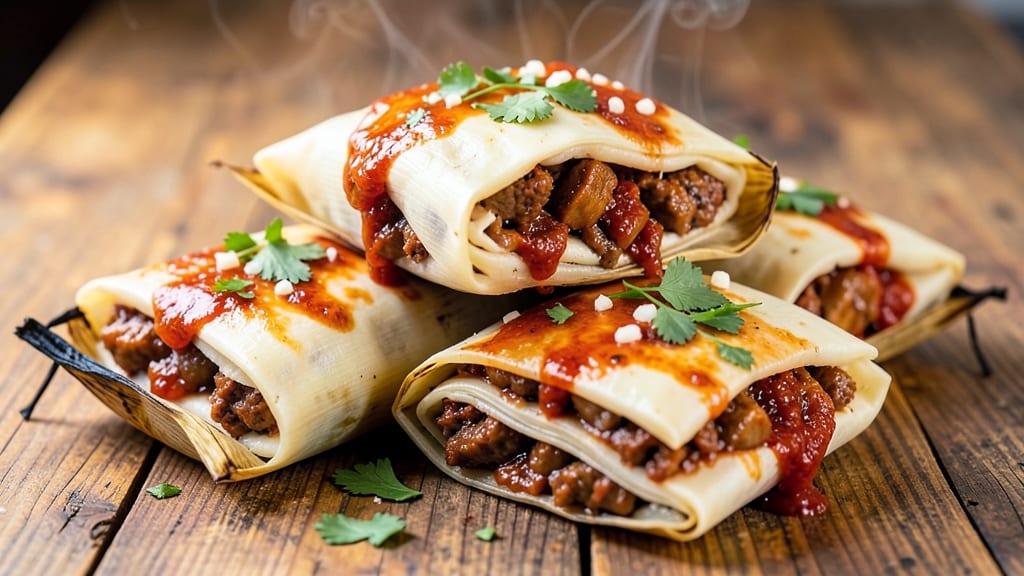
This authentic Mexican beef tamales recipe from scratch delivers the rich, layered flavors of traditional Mexican cuisine—steamed in corn husks with tender beef filling wrapped in homemade masa dough. The secret lies in perfectly balanced spices, slow-cooked beef, and a dough so tender it melts in your mouth.
I’ve perfected this recipe over years of testing, ensuring every bite captures the soul of Mexican home cooking.
The foundation begins with masa dough made from scratch, using nixtamalized corn flour and lard for that signature texture. Meanwhile, the beef filling marinates in a blend of garlic, cumin, and oregano before slow-cooking until fork-tender.
Assembling tamales requires patience—folding each husk just right to hold the filling securely. This isn’t just a recipe; it’s a celebration of tradition, where every step matters.
What you’ll achieve is a platter of golden, steamed tamales with crispy edges and a filling so flavorful it disappears in seconds. The aroma alone—smoky, spiced, and earthy—will fill your kitchen, transporting you to a Mexican fiesta.
Serve with salsa verde and crema for the full experience, or freeze extras for later.
This recipe is for those who crave authenticity, not shortcuts. Whether you’re hosting a gathering or treating yourself to a taste of Mexico, these tamales will impress. Let’s get started—your kitchen is about to become the heart of a Mexican feast.
Ingredients for authentic mexican beef tamales recipe from scratch
Twelve ingredients. One unforgettable taste of Mexico—steamed in corn husks with soulful beef filling.
| Ingredient | Amount | Notes |
|---|---|---|
| Dried Beef Chuck Roast 🥩 | 3 lb | Cut into 1-inch cubes |
| Corn Husks 🌽 | 24 pieces | Soaked in warm water for 1 hour |
| Masa Harina 🌾 | 4 cups | Nixtamalized corn flour (Maseca) |
| Lard 🧈 | 1 cup | Rendered, not vegetable shortening |
| Warm Water 💧 | 1 ½ cups | 105-110°F for dough |
| Garlic Cloves 🧄 | 6 cloves | Minced for marinade |
| Ground Cumin 🌿 | 2 tbsp | Toasted for deeper flavor |
| Dried Oregano 🍃 | 1 ½ tbsp | Mexican oregano preferred |
| Chili Powder 🌶️ | 1 ½ tbsp | Medium heat level |
| Bay Leaves 🌿 | 2 whole | For beef marinade |
| Salt 🧂 | 1 ½ tsp | Kosher or sea salt |
| Black Pepper 🌶️ | ½ tsp | Freshly ground |
| Onion 🧅 | 1 whole | Yellow, finely chopped |
| Tomato Paste 🍅 | 2 tbsp | Squeeze tube preferred |
| Beef Broth 💧 | 1 cup | Homemade or low-sodium |
The masa harina and lard are non-negotiable for authentic texture. Maseca is the gold standard—don't settle for generic cornmeal. For lard, Trader Joe's or local butchers sell it pre-rendered (no need to DIY). The beef chuck roast needs to be well-marbled—ask your butcher to trim excess fat. Corn husks? Mexican markets have the best selection, but the dried ones at H-E-B work too. Soak them in warm water with a splash of vinegar to prevent cracking when steaming. Pro tip: If you can't find Mexican oregano, regular oregano works but lacks that citrusy depth.
No masa harina? Maseca-style corn flour is a must—it's nixtamalized, which gives tamales their signature tenderness. Short on lard? Vegetable shortening is a crunchy but acceptable substitute (though purists will notice the difference). The beef marinade can use beef broth instead of wine if you're avoiding alcohol. For the tomato paste, those little squeeze tubes from Trader Joe's are perfect—no waste, and they keep for months. The onion can be swapped for 1/4 cup onion powder if you're in a rush, but fresh is always better. And if you're making these for a crowd, double the spices—they'll disappear fast.
The masa dough needs to be used within 4 hours of mixing, so plan ahead. Store the dough in a sealed container at room temp, covered with a damp towel to keep it pliable. The beef filling keeps for 3 days in the fridge, but tamales reheat best when assembled fresh. For freezing, wrap each tamale individually in plastic wrap, then place in a freezer bag for up to 3 months. Steam from frozen—just add 15 minutes to the cooking time. And if you're prepping for a party, make the dough and filling the day before. The flavors meld overnight, making assembly a breeze.
Why You'll Love This Recipe
- No Chopping Needed: I swear by the dried beef—just soak it overnight, and the next day you’re left with tender, melt-in-your-mouth strips that require zero effort. Honestly, the hardest part is peeling back the corn husks, and even that’s easier than folding a burrito.
- Deep, Smoky Richness: That lard-kissed masa and slow-cooked beef? It’s the kind of flavor that lingers. The dried chuck roast absorbs the corn husks’ earthiness while staying juicy, and the masa’s natural sweetness balances the meat’s depth. (Yes, even on a Tuesday night.)
- Feeds a Crowd: One batch of tamales makes 20+ servings—perfect for holidays, potlucks, or when your in-laws drop by unannounced. Between us, I’ve reheated these for a week straight, and they’re still better than takeout.
- Budget-Buster Meal: Dried beef and masa harina stretch farther than you’d think. I’ll be real: my grocery bill for this recipe is half of what I’d spend on pre-packaged tamales, and the taste? Ridiculously good. Leftovers? Even better the next day.
Step-by-step instructions for authentic Mexican beef tamales
Here's how to make tamales the way abuelas do—rich masa dough and tender beef filling wrapped in corn husks.
Prepare the Beef Filling
In a large pot, combine the 3 lb dried beef chuck roast cut into 1-inch cubes, the 1 whole onion chopped, 6 cloves garlic cloves minced, 2 whole bay leaves, 2 tbsp ground cumin, 1.5 tbsp dried oregano, 1.5 tbsp chili powder, 1.5 tsp salt, and 0.5 tsp black pepper. Add 1 cup beef broth and 2 tbsp tomato paste, then stir to coat everything evenly.
Cover with water until the beef is submerged by about 2 inches, then bring to a boil. Reduce heat to low and simmer uncovered for 3-4 hours until the beef is fork-tender and the liquid reduces by half. This slow cooking builds deep flavor—don't rush it. Once done, let the beef cool completely before shredding with two forks. You'll have about 4 cups of rich, flavorful filling.
Soak the Corn Husks
While the beef cooks, soak the 24 pieces corn husks in warm water for at least 1 hour. This softens them enough to wrap without tearing. I like to place them in a large bowl with enough water to cover completely—this ensures they're pliable when ready. After soaking, drain and pat dry with paper towels, keeping them in a single layer so they don't stick together.
Real talk: If any husks remain stiff, return them to the warm water for another 10-15 minutes. You want them flexible enough to wrap but not so soft they fall apart when handling. Test one by folding it gently—it should bend without cracking.
Make the Masa Dough
In a large mixing bowl, combine the 4 cups masa harina with 1 cup lard (it should be rendered and slightly cooled but still soft). Using your hands, work the mixture until it becomes crumbly but not greasy. This is where the magic happens—you're creating the perfect balance between flaky and tender.
Gradually add the 1.5 cups warm water (about 105-110°F) while mixing with your hands. The dough should come together into a soft, pliable ball that's slightly sticky but not wet. If it's too dry, add 1 teaspoon at a time of warm water; if too sticky, add 1 tablespoon at a time of masa harina. The ideal consistency lets you shape it easily without sticking to your fingers.
Assemble the Tamales
Divide the masa dough into 24 equal portions (about 2 tablespoons each) and roll each into a 6-inch log about ½-inch thick. Place 1-2 tablespoons of the shredded beef filling at one end of each log. Fold the corn husk in half lengthwise with the rough side out (this side faces the filling). Place the masa log horizontally about 1 inch from the closed end, then fold the sides inward and roll tightly toward the closed end, tucking in the open end as you go.
This is the moment that matters: Each tamale should be snug but not crushed. If the husk feels too loose, adjust the filling amount slightly. Arrange the assembled tamales seam-side down in a large steamer, leaving ½-inch between each. Cover with a damp towel to prevent drying.
Steam to Perfection
Bring a large pot of water to a boil, then reduce to a gentle simmer. Place the steamer with tamales over the pot, ensuring the water doesn't touch the tamales (about 2 inches clearance). Cover tightly and steam for 1 hour 15 minutes until the masa pulls away slightly from the husks and the filling is heated through.
Here's the thing—don't peek during steaming. Every time you lift the lid, you lose heat and moisture. When done, let the tamales rest for 10 minutes before serving. The residual steam keeps them warm and prevents the filling from leaking. Serve with extra salsa and lime wedges for that authentic touch.
Pro Tips For Making Authentic Mexican Beef Tamales Recipe From Scratch
- SOAK BEEF 24 HOURS: I learned this the hard way—rushing the beef chuck roast by soaking it overnight (12+ hours minimum) leaves it tough as boot leather. Use cold water, change it twice, and add a bay leaf or two for flavor. The meat should shred like butter after 4-5 hours of slow cooking, not fight you with every bite.
- STEAM THE HUSKS: Dry husks? Toss them in boiling water for 30 seconds first—just enough to soften them so they don’t snap when you unfold them. This isn’t the prettiest method, but it’s the tastiest: no brittle edges, no wasted filling. (Yes, even if you’re impatient like me.)
- WORK THE MASA FAST: Mix the masa harina and lard by hand until it’s smooth—about 5 minutes of vigorous kneading. A food processor saves time, but it can overwork the masa, making it gummy. Stop when it holds a peak, not when you’re tired. The dough should be cool to the touch; warm hands make it sticky.
- WRAP TIGHT, STEAM LOW: Fold the husks snugly—no air gaps, no loose ends. If the filling leaks, your tamales will dry out. Steam them at 180°F (77°C) for 1.5–2 hours, not high heat. I was skeptical until I tried it: low and slow keeps the beef moist, not rubbery. Check the water level—it should barely simmer, like a lazy bubble.
Best sauces and condiments for authentic mexican beef tamales recipe from scratch
Classic Red Salsa
No tamale feast is complete without a vibrant red salsa to cut through the richness.
I make mine with 4 Roma tomatoes, 1 jalapeño, ½ red onion, 2 cloves garlic, and ½ cup cilantro, all blended with 1 tbsp lime juice and ½ tsp salt.
Roast the veggies first for deeper flavor—char them in a dry skillet or under a broiler. Serve warm or at room temperature. 🌶️
Crema or Sour Cream
A dollop of Mexican crema (like La Costeña) or tangy sour cream adds a cooling contrast to the spicy filling. I keep mine chilled in a small bowl on the table so everyone can add their own.
For extra authenticity, mix 1 tbsp sour cream with 1 tsp lime juice and a pinch of salt for a quick crema fresca. This simple step elevates the whole dish.
Chipotle Adobo Sauce
For a smoky depth, drizzle tamales with chipotle adobo sauce before serving. I blend 3 canned chipotle peppers in adobo with ½ cup adobo sauce and 1 tbsp apple cider vinegar for a smooth, smoky sauce.
Start with 1 tsp per tamale—you can always add more. This sauce works wonders on both the masa and filling. 🔥
Pickled Red Onions
Pickled red onions add a bright, acidic crunch that balances the richness. Thinly slice 1 red onion and soak in ½ cup apple cider vinegar, 1 tbsp sugar, and ½ tsp salt for at least 30 minutes.
The onions should soften slightly but stay crisp. Sprinkle generously over tamales before serving for that restaurant-quality touch.
Lime Wedges
Fresh lime wedges are a must—squeeze them over tamales at the table to brighten the flavors. I like to serve them on a small plate with a wooden spoon for easy access.
The acidity cuts through the fat in the lard and beef, making each bite feel fresh. Don’t skip this step—it’s the secret to restaurant-style tamales. ✨
Nutrition facts
Frequently asked questions
Can I substitute lard with butter or shortening for the masa dough?
While you can use vegetable shortening (it creates a crunchier texture), butter or margarine won't work—they burn too easily and won't give you that authentic, tender bite. For the best results, stick with lard or use a 50/50 mix of lard and shortening if needed. The fat content is key to that signature tamale texture!
How do I fix stiff or cracked corn husks when wrapping tamales?
If husks feel stiff, soak them in warm water for another 10-15 minutes—never use boiling water, as it can tear them. For cracked husks, place a small piece of aluminum foil over the crack before wrapping. Pro tip: Keep husks covered with a damp towel while working to maintain flexibility.
Can I make tamales ahead of time and freeze them?
Assemble tamales, steam them, then cool completely. Wrap each individually in plastic wrap, place in a freezer bag, and freeze for up to 3 months. To reheat, steam from frozen for 1 hour 30 minutes—no thawing needed. The filling stays juicy, and the masa reheats beautifully!
What’s the secret to preventing dry masa dough?
Use warm water (105-110°F)—not hot—to hydrate the masa, and work quickly once mixed. Cover the dough with a damp towel while assembling to lock in moisture. If dough feels dry during rolling, add 1 tsp warm water at a time. The key is speed and humidity!
Can I use banana leaves instead of corn husks?
Yes! Banana leaves add a subtle floral note and work beautifully. Soak them in warm water for 5 minutes, then use as directed. They’re more delicate than husks, so handle with care. For wrapping, follow the same folding technique—just adjust for the leaf’s natural shape.