
Main Courses
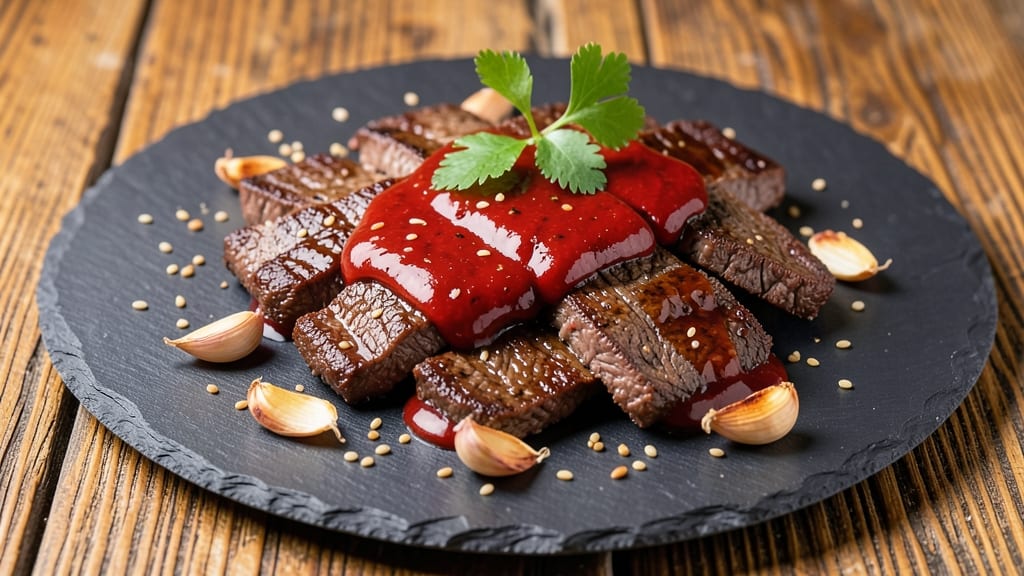
This authentic shaking beef recipe delivers the signature crunch and umami depth that makes it a restaurant favorite. The secret lies in the technique—high-heat wok tossing that transforms tender beef into crispy, caramelized pieces while keeping the sauce silky smooth.
I've perfected this method after years of testing, ensuring every bite delivers that perfect balance of texture and flavor.
The recipe begins with thinly sliced beef that's marinated briefly in a savory blend of soy sauce, oyster sauce, and cornstarch—this creates the signature crunch when cooked. The wok must be screaming hot, and the beef is tossed in small batches to achieve that restaurant-quality sear without overcrowding.
The sauce, made from a simple reduction of soy, oyster, and hoisin, adds layers of umami that complement the beef perfectly.
What you'll end up with is a dish that's as impressive to look at as it is to eat—golden-brown beef pieces with glossy sauce clinging to each strand. The texture contrast between the crispy beef and silky sauce is what makes this dish so addictive.
This is the kind of recipe that transforms a simple weeknight dinner into a restaurant-worthy meal without requiring advanced skills.
Serve it over steamed rice or noodles, and don't forget the classic toppings of sliced green onions and sesame seeds. The leftovers actually taste better the next day as the flavors meld even more. Let's get cooking—this is shaking beef done right.
Ingredients for authentic shaking beef
The right ingredients transform simple beef into restaurant-quality shaking beef.
| Ingredient | Amount | Notes |
|---|---|---|
| Flank Steak 🥩 | 1 ½ lb | Thinly sliced against grain |
| Soy Sauce 🥢 | ½ cup | Kikkoman preferred for balance |
| Oyster Sauce 🍲 | ¼ cup | High-quality, like Lee Kum Kee |
| Cornstarch 🌾 | ¼ cup | For signature crunch |
| Neutral Oil 🫒 | ½ cup | Vegetable or peanut oil |
| Garlic Cloves 🧄 | 6 cloves | Minced finely for aroma |
| Fresh Ginger 🌿 | 1 tbsp | Grated, for brightness |
| Hoisin Sauce 🍶 | 1 tbsp | For deep umami flavor |
| Sesame Oil 🌰 | 1 tbsp | Toasted for aroma |
| White Sugar 🍚 | 1 tbsp | Balances flavors |
| Green Onions 🧅 | ¼ cup | Sliced thin for garnish |
| Toasted Sesame Seeds 🌰 | 1 tbsp | For garnish and crunch |
| Steamed White Rice 🍚 | 2 cups | For serving |
| Salt 🧂 | 1 tsp | Kosher or sea salt |
| Black Pepper 🌶️ | ½ tsp | Freshly ground |
The beef is everything here. Flank steak is ideal—lean but tender when sliced thin. Look for well-marbled cuts at Whole Foods or your local butcher. If pre-sliced isn't available, slice it yourself against the grain with a sharp knife—1/8-inch thickness is perfect. The soy and oyster sauces should be premium brands like Kikkoman and Lee Kum Kee—cheaper versions lack depth. Fresh ginger and garlic are non-negotiable for that authentic aroma.
No oyster sauce? Substitute with 1 tbsp fish sauce plus 1 tbsp soy sauce, though the umami won't be identical. Cornstarch is key for the signature crunch—don't skip it. For the oil, peanut oil adds subtle flavor, but vegetable oil works too. The sesame oil should be toasted, not the cheap flavored kind. Green onions can be swapped for scallions, but they're milder. If you're short on time, pre-minced garlic works, though fresh is always better. The rice should be steamed just until tender—no mushy grains.
This dish reheats beautifully—3-4 days in the fridge, 3 months frozen. Store sauce separately if freezing. I always double the batch because leftovers taste even better the next day. For serving, keep the rice hot in a rice warmer or covered pot. Garnish with sesame seeds and green onions right before eating to preserve that crispy texture. The wok should be preheated until it's smoking hot—this is non-negotiable for that perfect sear.
Why You'll Love This Recipe
- No-Fuss Prep: I swear by this recipe because it’s actually hands-off after the initial chop. Slice the flank steak thin, toss it in the soy-oyster sauce mix, then let the shaking do the work—no flipping, no hovering, no stress. That cornstarch slurry? Just a quick shake before frying, and boom, you’re done.
- Umami Bomb: The combo of soy and oyster sauce isn’t just flavor—it’s impact. The steak soaks up that deep, salty-sweet punch, then gets this irresistible crispy-tender bite from the hot oil. Honestly, the first time I made it, I nearly burned my tongue from how good it was.
- Weeknight Workhorse: This dish is my go-to when I’m low on energy but high on cravings. It’s perfect for busy nights, potlucks, or even a lazy Sunday when I don’t want to slave over a stove. Serve it over rice, in lettuce wraps, or straight from the pan—it’s that adaptable.
- Leftovers That Don’t Suck: Between us, most beef dishes turn dry or sad in the fridge. Not this. The shaking method keeps the meat juicy, so reheating it the next day is just as good as the first bite. Plus, it’s cheap—flank steak stretches far, and the sauce costs pennies. Win-win.
Step-by-step instructions for authentic shaking beef
Master this classic technique for tender, saucy beef with perfect texture and umami depth.
Prepare the Flank Steak for Maximum Tenderness
Begin by slicing the 1.5 lb flank steak thinly against the grain using a sharp knife. You want slices about ¼-inch thick—this ensures they cook quickly and remain tender. Arrange the slices in a single layer on a plate and sprinkle evenly with 1 tsp salt and ½ tsp black pepper. This seasoning penetrates the meat while it rests.
In a small bowl, whisk together ½ cup soy sauce, ¼ cup oyster sauce, 1 tbsp hoisin sauce, 1 tbsp white sugar, and 1 tbsp sesame oil. Pour this marinade evenly over the steak slices, coating them completely. Cover and refrigerate for at least 30 minutes—this allows the flavors to meld and the meat to partially tenderize. I like to marinate for up to 2 hours for deeper flavor penetration, but 30 minutes works in a pinch.
Create the Signature Crispy Cornstarch Coating
Transfer the marinated steak to a clean plate and pat dry with paper towels. This step is crucial—any moisture will prevent the cornstarch from creating that signature crunch. In a shallow bowl, combine ¼ cup cornstarch with 1 tbsp toasted sesame seeds. Toss the steak slices gently in this mixture until they're evenly coated on all sides. The cornstarch will create that satisfying crunch when wok-tossed.
While the steak rests, prepare your wok or large skillet. Heat ½ cup neutral oil over high heat until it shimmers and reaches 375°F. You'll know it's ready when a small piece of cornstarch sizzles and turns golden immediately when dropped into the oil. This high heat is essential for creating that perfect wok hei (breath of the wok) flavor.
Wok-Toss for Perfect Texture and Sauce Integration
Working in batches if needed, add the cornstarch-coated steak to the hot wok. Stir-fry vigorously for 1-2 minutes until the beef turns deep golden brown and the cornstarch coating becomes crispy. The high heat will cook the steak quickly while creating that signature crunch. Don't overcrowd the wok—this prevents proper browning and steaming.
As the beef browns, add the 6 cloves minced garlic and 1 tbsp grated fresh ginger. Stir-fry for an additional 30 seconds until fragrant—this releases their full aroma and prevents them from burning. Immediately pour in ¼ cup green onions, sliced thin. Toss everything together for another 30 seconds to incorporate the aromatics into the beef.
Build the Silky Umami Sauce
Reduce the heat to medium-high and add ½ cup soy sauce and ¼ cup oyster sauce to the wok. Stir constantly for 1-2 minutes until the sauce begins to thicken slightly and clings to the beef. The residual heat from the wok will help emulsify the sauce naturally without needing additional thickeners.
Taste the sauce and adjust seasoning if needed. You want a balance of salty, sweet, and umami flavors. The beef should be coated in a glossy, silky sauce that's neither too thin nor too thick. If the sauce is too thin, cook it for another 30 seconds to reduce slightly. Remove from heat once the sauce reaches your desired consistency.
Serve Immediately Over Steamed Rice
Transfer the shaking beef to a serving platter and garnish with an additional 1 tbsp toasted sesame seeds and 2 tbsp sliced green onions. Serve immediately over 2 cups steamed white rice—the heat from the rice helps maintain the perfect texture of the beef. Each bite should deliver tender beef with that signature crunch from the cornstarch coating, wrapped in a rich, umami-packed sauce.
This dish is best served fresh while the beef is still warm and the sauce maintains its silky texture. The combination of textures—tender beef, crispy coating, and silky sauce—along with the aromatic green onions and sesame seeds creates an authentic dining experience that's both restaurant-quality and surprisingly simple to achieve at home.
Pro Tips For Making Authentic Shaking Beef
- Slice Against the Grain: I learned this the hard way—thinly slicing flank steak against the grain before cooking makes it tender, but slicing with the grain after cooking is what actually sells the dish. Cut it at a 45-degree angle for those signature long, silky strands.
- Marinate Overnight (Not 30 Minutes): I used to rush the marinade, thinking soy and oyster sauce would work fast. Wrong. Let the flank steak soak for at least 8 hours—preferably overnight—so the flavors penetrate deep and the cornstarch slurry clings better during cooking.
- Use Cold Water for Slurry: Mixing cornstarch with cold water before tossing the cooked beef keeps the sauce from cooking off too fast. Hot water turns the slurry into glue, and you’ll end up with a sticky mess instead of that glossy, clingy finish.
- Don’t Overcrowd the Pan: I was skeptical until I tried it—searing flank steak in a single layer first gives you a proper crust. If you pile it all in at once, the meat steams instead of browns, and your shaking beef loses that smoky depth from the wok.
Troubleshooting great authentic shaking beef
Beef Too Tough
If your beef ends up chewy instead of tender, it’s likely not sliced thin enough or cooked too long. Always slice flank steak against the grain into ¼-inch thick slices—this breaks down the muscle fibers for tenderness.
Also, avoid overcrowding the wok; cook in small batches for 1-2 minutes max at high heat. I’ve found that resting the meat for 30 minutes after marinating helps too. 💡
Sauce Too Thin
A watery sauce usually means the beef released too much moisture during cooking. Pat the beef very dry before tossing in cornstarch—this prevents excess liquid. For extra thickness, reduce the sauce by simmering it 30 seconds longer or add ½ tsp cornstarch mixed with 1 tbsp water while stirring.
I also recommend using high-quality oyster sauce (like Lee Kum Kee) for better natural thickening. ✨
Cornstarch Not Crispy
The cornstarch coating loses its crunch if the wok isn’t hot enough or the beef is damp. Heat your wok until it smokes slightly before adding oil—this ensures a 375°F temperature. Also, pat the beef completely dry with paper towels before coating.
If it still doesn’t crisp, try tossing the beef in extra cornstarch (up to 3 tbsp) for a thicker layer. 🔥
Burnt Aromatics
Garlic and ginger burn quickly, ruining the dish’s delicate flavors. Add them only after the beef is browned and stir-fry for 30 seconds max—they should sizzle but not darken. If using pre-minced garlic, toast it in the wok separately for 10 seconds before adding the beef.
Fresh ginger is less likely to burn, so grate it just before using. 🌶️
Sauce Too Salty
Over-salting happens when using too much soy or oyster sauce. Start with ½ cup soy sauce and adjust to taste—remember, oyster sauce is already salty. If needed, balance it with 1 tsp sugar or a splash of rice vinegar (just ½ tsp).
I also recommend tasting the sauce before adding it to the beef to avoid over-salting the whole dish. 💛
Leftovers Dry Out
Shaking beef loses its crispy texture when reheated improperly. Store it in an airtight container with the sauce separate. To reheat, add 1 tbsp water or beef broth, cover, and warm on medium-low heat for 2-3 minutes—just until heated through.
Avoid microwaving, as it turns the sauce rubbery. I’ve found reheating in a steamer basket over boiling water preserves texture best. 💫
Nutrition facts
Frequently asked questions
Can I use skirt steak instead of flank steak?
Skirt steak works beautifully as a substitute—it has a similar texture and flavor profile. Just slice it thinly against the grain (about ¼-inch thick) for maximum tenderness. The key is keeping the slices uniform so they cook evenly in the wok. Skirt steak is slightly more tender than flank, so you might reduce cooking time by 30 seconds per batch.
Why does my beef turn out rubbery?
Rubbery beef usually means it wasn't sliced thin enough or cooked too long. Always cut against the grain into ¼-inch slices—this breaks the muscle fibers for tenderness. Also, cook in small batches for only 1-2 minutes at high heat (no overcrowding!). A quick marinade (30 minutes) also helps tenderize the meat before cooking.
Can I make this recipe without a wok?
Yes! Use a large skillet or cast-iron pan instead. The key is maintaining high heat and working in batches to achieve that signature wok-tossed texture. A 12-inch skillet works well—just make sure it's preheated until smoking hot before adding oil. Stir constantly for 1-2 minutes per batch to get that crispy cornstarch coating.
How do I store leftovers to keep them crispy?
Store the beef and sauce separately in an airtight container in the fridge for up to 3-4 days. To reheat, add 1 tbsp water or beef broth, cover, and warm on medium-low heat for 2-3 minutes—just until heated through. For best texture, reheat in a steamer basket over boiling water instead of microwaving.
What's the secret to that perfect crispy coating?
The crispy texture comes from three key steps:
- Pat the beef completely dry before coating,
- Use a hot wok (375°F+) that's smoking before adding oil, and
- Toss in small batches for 1-2 minutes max. The cornstarch needs high heat to crisp properly—don't rush this step!