
Main Courses
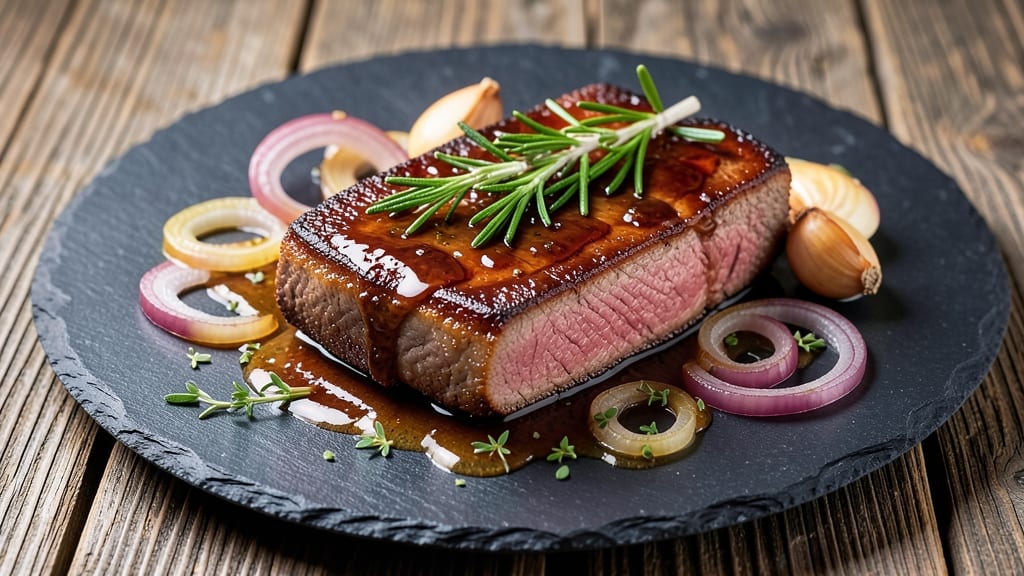
Baked beef tongue delivers unmatched richness and silky texture that transforms any meal into an unforgettable experience. 💛 This recipe preserves the natural umami depth while achieving tender perfection through precise slow-baking techniques.
The key lies in proper preparation—from cleaning to seasoning—that unlocks the tongue's full potential without overpowering its natural flavor. What sets this dish apart is the balance between tradition and modern adaptations.
While traditional methods rely on long slow-cooking, we've optimized the process for home kitchens using low-and-slow baking that maintains moisture while developing deep, caramelized flavors. The result is a dish that's both restaurant-worthy and approachable for home cooks.
By the final hour, your beef tongue will emerge with buttery-smooth texture and concentrated flavor that pairs beautifully with classic accompaniments. The tender meat practically melts in your mouth, offering a luxurious experience that's surprisingly simple to achieve. This is comfort food elevated to gourmet status.
Serve with roasted potatoes, caramelized onions, or a crisp green salad for a complete meal that impresses any guest. The technique works equally well for special occasions or casual family dinners—just follow the precise steps for foolproof results every time. Let's get started on creating this showstopper dish.
Ingredients for baked beef tongue
Precision-cleaned beef tongue meets aromatic herbs and slow-baked umami perfection for a luxurious centerpiece.
| Ingredient | Amount | Notes |
|---|---|---|
| Beef Tongue 🥩 | 2 lb | Whole, cleaned and trimmed |
| Yellow Onion 🧅 | 1 whole | Quartered, for marinade |
| Garlic Cloves 🧄 | 6 cloves | Crushed, for marinade |
| Extra-Virgin Olive Oil 🫒 | ½ cup | For marinade and basting |
| Fresh Rosemary 🌿 | ¼ cup | Chopped sprigs, fresh preferred |
| Fresh Thyme 🌿 | ¼ cup | Leaves only, stems removed |
| Dijon Mustard 🥫 | 2 tbsp | For marinade depth |
| Apple Cider Vinegar 🍎 | ¼ cup | Balances richness |
| Kosher Salt 🧂 | 1 ½ tbsp | Diamond Crystal preferred |
| Black Peppercorns 🌶️ | 1 tbsp | Freshly cracked |
| Bay Leaves 🍃 | 2 whole | For aromatic depth |
| Honey 🍯 | 2 tbsp | For glaze finish |
| Balsamic Vinegar 🍷 | 2 tbsp | For final reduction |
Beef tongue quality is non-negotiable—look for firm, plump tongues with minimal blemishes at specialty butchers or high-end grocers like Whole Foods or Eataly. The tongue should weigh about 1.5-2 lbs each for optimal tenderness. Costco often carries them pre-cleaned, saving significant prep time. If buying whole, clean thoroughly by removing any remaining hair, fat, and connective tissue using a sharp knife and paper towels. The marinade ingredients should be freshly sourced—herbs should smell vibrant, and vinegars should be aged for maximum flavor development.
No fresh rosemary? Dried rosemary at half the amount works, though fresh provides superior aroma. Substitute thyme with fresh oregano if needed, but reduce to one-third the quantity. For a deeper marinade flavor, add 1 tbsp soy sauce or 1 tsp smoked paprika. The honey can be swapped for maple syrup in a 1:1 ratio, though it may slightly alter the caramelization. If you're short on time, pre-made beef stock can replace half the apple cider vinegar in the marinade, though it will be less tangy. Always use extra-virgin olive oil—lower quality oils can impart off-flavors during slow baking.
Marinated tongue keeps 3-4 days in the fridge, but bake within 24 hours for best texture. The finished baked tongue stores 5-6 days refrigerated, wrapped tightly in foil to retain moisture. For longer storage, slice and freeze portions for up to 3 months. Reheat gently in the oven at 300°F (150°C) until warmed through—microwaving can make the texture rubbery. The glaze ingredients (honey and balsamic) should be combined fresh before serving to maintain their glossy finish.
Why You'll Love This Recipe
- One-Pan Magic: I swear by this recipe because it’s that easy—just slice the tongue, toss it with onions, garlic, and rosemary, drizzle with olive oil, and pop it in the oven. No flipping, no fussing, no extra pots.
- Rich, Herby Depth: The rosemary and garlic caramelize into something ridiculously good—crispy edges, tender inside, with that earthy, savory punch. Honestly, the first time I made it, I ate half the pan straight from the sheet.
- Leftovers That Shine: This isn’t one of those dishes you’ll regret making extra. Slice the cooled tongue thin for sandwiches, toss it into salads, or serve it cold with crusty bread. My lunchbox gets packed with these for days.
- Budget-Friendly Feast: A single beef tongue feeds a crowd—think four or five hearty servings—and costs less than half the price of steak. Between us, it’s my go-to for game day, potlucks, or when I need to impress without breaking the bank.
Step-by-step instructions for baked beef tongue
Here's the professional method for transforming tough beef tongue into silky, melt-in-your-mouth perfection.
👨🍳 Step 1: Prepare the Umami-Packed Marinade
In a food processor, combine the quartered yellow onion, crushed garlic cloves, chopped fresh rosemary, fresh thyme leaves, Dijon mustard, and apple cider vinegar. Pulse until you achieve a coarse paste - this ensures maximum flavor extraction without turning it into a liquid. With the processor running, slowly drizzle in the extra-virgin olive oil until fully incorporated.
Transfer the marinade to a mixing bowl and whisk in the honey, balsamic vinegar, kosher salt, and freshly cracked black peppercorns. The mixture should be thick enough to cling to the beef tongue but still flow freely. This balance of acidity, sweetness, and fat creates the perfect vehicle for deep umami penetration during the long bake.
👨🍳 Step 2: Coat and Rest the Beef Tongue
Place the 2 lb beef tongue in a large resealable plastic bag and pour the marinade over it. Using gloved hands, massage the marinade into every crevice of the tongue, ensuring complete coverage. Seal the bag tightly and refrigerate for at least 12 hours, preferably overnight. Real talk - this resting period transforms the texture from tough to tender by breaking down connective tissues.
After marinating, remove the beef tongue from the bag and let it sit at room temperature for 30 minutes before baking. This step prevents temperature shock that could cause the meat to seize up in the oven. The exterior should feel slightly tacky from the marinade adhesion - this guarantees even flavor distribution throughout the cooking process.
🔥 Step 3: Bake to Probe-Tender Perfection
Preheat your oven to 325°F and position the rack in the lower third of the oven. Place the marinated beef tongue on a parchment-lined baking sheet, fat-side up, and tuck the bay leaves into the crevices. Bake uncovered for 3 hours, basting with any accumulated marinade every 45 minutes. The tongue is done when it reaches an internal temperature of 195°F and the probe slides in like butter with no resistance.
Here's the thing - don't be tempted to rush this step. The collagen in beef tongue needs time to convert to gelatin, which creates that signature silky texture. The exterior should develop a beautiful mahogany crust while maintaining a moist interior. If the surface starts to dry out before reaching temperature, tent loosely with foil for the final 30 minutes.
⏰ Step 4: Rest and Prepare the Glaze
Remove the beef tongue from the oven and transfer it to a cutting board. Tent loosely with foil and let it rest for 30 minutes. This resting period allows the juices to redistribute throughout the meat, ensuring every slice remains moist. While it rests, prepare the glaze by combining the remaining 2 tablespoons balsamic vinegar with 1 tablespoon honey in a small saucepan.
Simmer the glaze over medium heat until it reduces by half and reaches a syrupy consistency - about 5 minutes. You'll know it's ready when it coats the back of a spoon smoothly. The glaze should smell rich and slightly caramelized, with deep umami notes from the reduction process. Keep the glaze warm until ready to use.
🍽️ Step 5: Slice and Serve with Glaze
After resting, slice the beef tongue against the grain into ¼-inch thick slices. The texture should be incredibly tender, almost jelly-like in the center, with a firm yet melt-in-your-mouth quality. Arrange the slices on a serving platter and brush generously with the warm balsamic glaze. The glaze should cling to each slice, adding a beautiful sheen and enhancing the natural umami flavors.
Serve immediately with the reserved marinade drizzled over the top for maximum flavor impact. Each bite should deliver that perfect balance of rich, savory beef with bright acidity from the vinegar and subtle sweetness from the honey. The glaze adds a sophisticated finishing touch that elevates this humble cut to restaurant-quality status.
Pro Tips For Making Baked Beef Tongue
- SCORE THE CRUST: Start with a dry, hot pan—no oil yet—and sear the beef tongue hard for 3-4 minutes per side until deep brown. I learned this the hard way: skipping the sear means a pale, bland exterior that won’t hold up to baking. The crust locks in flavor and keeps it juicy later.
- SLICE THE ONION THIN: Use a mandoline or sharp knife to cut onions into paper-thin slices—no thicker than 1/16 inch. Thick slices burn unevenly and turn mushy under the tongue’s steam. Trust me, the effort pays off with caramelized layers that actually taste like onions, not sad, watery rings.
- DON’T SKIP THE ROSEMARY SPRINKLE: Tuck fresh rosemary sprigs under the tongue before baking—yes, even if the recipe says "on top." The steam releases their oils directly into the meat, infusing it with piney depth. I used to just scatter it loosely, and the flavor was always half as strong.
- BAKE LOW AND SLOW: Set the oven to 275°F (135°C)—not 350°F like you’d guess. Beef tongue needs time to tenderize, not heat. I rushed it once and ended up with chewy, stringy meat. Cover loosely with foil for the first hour, then uncover to crisp the skin. Patience here makes all the difference.
Regional styles of this recipe
British Pub Tradition
The British have perfected beef tongue as a pub classic, often served with stout porter sauce and pickled onions. In traditional English recipes, the tongue is first simmered in beer (like Guinness or Bass) for 2-3 hours before completing in the oven.
The beer adds a malty depth that complements the rich meat. I've seen pubs in Yorkshire serve it with crispy breadcrumbs on top for texture contrast. 🍺
Southern U.S. BBQ Style
In the American South, beef tongue takes on a smoky, spiced profile—think North Carolina or Texas BBQ. The marinade often includes chopped jalapeños, smoked paprika, and a splash of bourbon instead of balsamic.
After baking, it's sliced thin and served on toasted buns with sliced tomatoes and red onion. Some pitmasters even injected the tongue with a mix of apple cider vinegar and brown sugar before baking for extra tenderness.
Argentinian Asado Adaptation
Argentinian asado (barbecue) culture transforms beef tongue into a grilled masterpiece with a chimichurri finish. After baking, the tongue is grilled over hardwood coals until charred, then brushed with a garlic-oregano chimichurri.
It's served with provoleta cheese and grilled peppers for a bold, herby contrast. The key difference? Argentinian cooks score the tongue in a crosshatch pattern before marinating to prevent curling during cooking.
French Bouche-à-Bouche
French haute cuisine elevates beef tongue into a luxurious appetizer called langue de bœuf. The marinade includes white wine, shallots, and tarragon, and the tongue is poached in consommé before finishing in the oven.
It's served chilled in thin slices with a red wine reduction and truffle shavings. The French technique focuses on precise doneness—the texture should be firm yet silky, not mushy. 🥖
Caribbean Jerk-Inspired Twist
For a tropical twist, Caribbean cooks infuse the marinade with scotch bonnet peppers, allspice, and pineapple juice. The tongue is baked, then grilled over pimento wood for a smoky-sweet flavor. Serve with mango salsa and coconut rice for a fusion that balances heat and richness.
The jerk spices create a fiery crust while keeping the interior tender. This version is perfect for bold flavor lovers!
Nutrition facts
Frequently asked questions
How do I properly clean a beef tongue before cooking?
Start by rinsing under cold water, then use a sharp knife to carefully remove any remaining hair and connective tissue. Scrape away surface fat and trim excess membrane—work methodically to avoid tearing the delicate skin. For best results, ask your butcher to clean it professionally if possible.
Can I use a slow cooker instead of an oven?
Yes! Place the marinated tongue in a slow cooker with 1 cup beef broth and cook on low for 8-10 hours until fork-tender. The texture will be slightly more gelatinous, but equally delicious. Just add bay leaves and a splash of apple cider vinegar to the broth for flavor.
What's the best way to reheat leftover beef tongue?
Slice the cooled tongue and reheat in a skillet with 1 tbsp butter over medium-low heat for 3-4 minutes per side. For oven reheating, wrap slices in foil and bake at 300°F (150°C) for 15 minutes. Never microwave—it makes the texture rubbery!
Why does my beef tongue turn out tough?
Most likely it wasn't cooked long enough—beef tongue needs at least 3 hours at 325°F (163°C) to break down collagen. Check internal temp with a meat thermometer (195°F/90°C). Also ensure proper marinating time (12+ hours) and don't skip the resting period before slicing.
What are the best sides to serve with baked beef tongue?
Classic pairings include creamy mashed potatoes, caramelized onions, or roasted root vegetables. For contrast, try tangy pickled vegetables or a crisp green salad with vinaigrette. The rich umami flavor works beautifully with starchy sides that soak up the juices.