
Main Courses
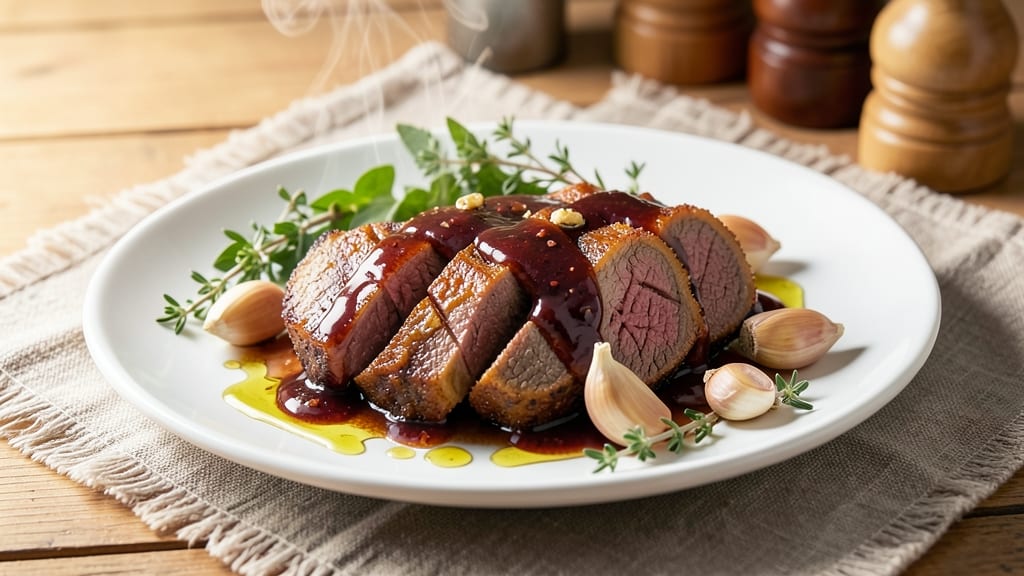
This Basque beef tongue recipe delivers the luxurious texture and deep flavors that make it a centerpiece of Basque cuisine. 🌟 The secret lies in slow-braising until the meat becomes fork-tender and infused with garlic, white wine, and aromatic herbs—a process that transforms tough cuts into melt-in-your-mouth perfection.
Traditional Basque cooking emphasizes patience and simple ingredients, and this recipe follows that philosophy perfectly. After parboiling and scoring the tongue, it simmers for hours in a rich broth until it reaches that signature silky consistency.
The result is a dish that feels both rustic and refined, perfect for special occasions or when you want to impress.
What sets this recipe apart is the balance of textures—tender yet firm, with a surface that's beautifully caramelized. The slow cooking process allows the tongue to absorb the flavors of the broth, creating a dish that's deeply savory and impossible to resist.
Serve it sliced thickly with crusty bread to soak up every last bit of the aromatic sauce.
The cultural significance of beef tongue in Basque cuisine can't be overstated—it's a dish that brings families together and showcases the region's love for slow-cooked meats. This method stays true to tradition while making it accessible for home cooks. Ready to master this Basque classic?
Ingredients for basque beef tongue
Six ingredients transform tough beef tongue into Basque melt-in-your-mouth perfection.
| Ingredient | Amount | Notes |
|---|---|---|
| Beef Tongue 🥩 | 2 lb | Fresh, whole, cleaned and scored |
| Garlic Cloves 🧄 | 8 cloves | Peeled, smashed for infusion |
| White Wine 🍷 | 2 cups | Dry, full-bodied variety |
| Beef Broth 🍲 | 4 cups | Homemade or high-quality store-bought |
| Olive Oil 🫒 | ½ cup | Extra-virgin for richness |
| Fresh Thyme 🌿 | ¼ cup | Stems removed, loosely packed |
| Fresh Bay Leaves 🍃 | 4 whole | Standard dried bay leaves work |
| Salt 🧂 | 2 tsp | Kosher or sea salt |
| Black Peppercorns 🌶️ | 1 tbsp | Crushed, not ground |
| Onion 🧅 | 1 whole | Yellow or white, peeled |
| Carrots 🥕 | 3 whole | Medium size, peeled |
| Crusty Bread 🍞 | 1 loaf | For serving, sliced thickly |
| Fresh Parsley 🌿 | ⅛ cup | Chopped, for garnish |
The beef tongue is the star—look for fresh, plump tongues at specialty butchers or well-stocked grocery stores like Whole Foods or Costco. Size matters: two 1.5-2 lb tongues work best for this recipe. If you can't find fresh, frozen tongues work too—just thaw them overnight in the fridge. For extra authenticity, Spanish or Basque markets often carry them pre-cleaned and scored, saving you preparation time. The key is marbling—the more, the better for flavor and tenderness.
No white wine? Dry vermouth or extra beef broth works in a pinch, though wine adds depth. Fresh thyme is ideal, but dried thyme at one-third the amount gets you close. The bay leaves can be swapped for a few sprigs of fresh rosemary if you prefer. For the broth, homemade is best, but store-bought like Kitchen Basics or Pacific Foods works if labeled beef-only. The carrots and onion are simple veggies—baby carrots or frozen chopped veggies save prep time without sacrificing flavor.
Store the cooked tongue in its broth for up to 5 days in the fridge—it actually improves overnight. For longer storage, freeze the broth with the tongue submerged for 3 months. Reheat gently on the stove, adding a splash of water if needed. The crusty bread? Toast it fresh before serving—a baguette from the bakery section is perfect. Garnish with parsley just before serving to keep it vibrant. Leftovers reheat beautifully, making this a great make-ahead dish for gatherings.
Why You'll Love This Recipe
- One-Pot Magic: I swear by this recipe because it’s that kind of dish—simmer everything in one pot, walk away, and come back to layers of flavor. No chopping, no fuss, just a slow cook that turns tough beef tongue into something tender and irresistible with minimal hands-on time.
- Wine-Infused Richness: That splash of white wine isn’t just for show—it cuts through the richness of the beef tongue and deepens the sauce into something ridiculously good. The garlic cloves? They caramelize just enough to add a sweet, savory punch that makes every bite feel like a little celebration.
- Leftovers That Shine: Between us, this recipe makes way more than you’ll eat in one sitting—and honestly, that’s a blessing. The leftovers reheat perfectly, whether you’re tossing slices into a quick lunch salad or serving them cold on crusty bread the next day. (Yes, even on a Tuesday night.)
- Budget-Friendly Feast: Beef tongue might sound fancy, but it’s actually one of my go-to budget stretches—it feeds a crowd without breaking the bank. A single tongue, a bottle of wine, and a handful of garlic turn into a dish that feels special enough for guests but simple enough for a weeknight. Win-win.
Step-by-step instructions for Basque beef tongue
Transform tough beef tongue into melt-in-your-mouth perfection with this slow-braising method.
🔥 Step 1: Prepare and Sear the Beef Tongue
Start by scoring the surface of the 2 lb beef tongue in a crosshatch pattern with a sharp knife, being careful not to cut into the meat. This creates channels for the marinade to penetrate deeply. Place the tongue in a large pot and cover it completely with cold water. Bring to a boil over high heat, then immediately reduce to a simmer for 15 minutes. This initial blanching removes impurities and prepares the tongue for braising.
Drain the tongue and pat it dry thoroughly with paper towels. Heat 0.25 cup olive oil in a large Dutch oven over medium-high heat. Add the tongue and sear on all sides until deeply browned, about 4-5 minutes per side. This caramelization builds rich flavor that will infuse the braising liquid. Remove the tongue and set it aside.
🍳 Step 2: Build the Braising Liquor
In the same Dutch oven, add 0.5 cup olive oil and sauté 1 whole onion, 3 whole carrots (cut into large chunks), 8 cloves garlic cloves (smashed), and 0.25 cup fresh thyme for 5-6 minutes until the vegetables soften and the garlic becomes fragrant. This aromatic base forms the flavor foundation.
Deglaze the pot with 2 cups white wine, scraping up all the browned bits from the bottom. Let it reduce by half, then add 4 cups beef broth, 2 tsp salt, 1 tbsp crushed black peppercorns, and 4 whole fresh bay leaves. Stir well to combine all ingredients. Return the seared tongue to the pot, ensuring it's fully submerged in the liquid.
⏰ Step 3: Slow-Braise to Tender Perfection
Cover the Dutch oven and transfer it to a preheated 300°F oven. Braise for 3 hours, then carefully flip the tongue and continue cooking for another 1.5 hours. The tongue is done when it's fork-tender and the meat easily separates from the bone when tested with a knife.
Here's the thing—don't peek or stir during cooking. Every time you open the lid, you lose heat and moisture. The liquid should reduce significantly but still cover about half the tongue. If it gets too low, add a little water or broth to maintain moisture. The slow cooking transforms tough collagen into silky, meltable texture.
🥘 Step 4: Rest and Shred for Serving
Remove the tongue from the braising liquid and transfer it to a cutting board. Let it rest for 15 minutes before handling. The resting period allows the fibers to relax and redistribute juices. Use two forks to carefully shred the meat away from the bone, discarding any connective tissue or cartilage.
Return the shredded tongue to the braising liquid and warm through over medium-low heat for 5-10 minutes. The result should be a rich, velvety sauce with tender meat suspended in it. Taste and adjust seasoning if needed. Serve the shredded tongue over thick slices of crusty bread, garnished with 0.125 cup chopped fresh parsley.
Pro Tips For Making Basque Beef Tongue
- SCORE THE TONGUE FIRST: That thick membrane on the underside? Scrape it off before simmering—it’s tough and won’t break down. I learned this the hard way when I ended up with a chewy, rubbery mess instead of melt-in-your-mouth perfection. Use a sharp knife and work fast; this step takes 2 minutes but saves 30 minutes of frustration later.
- SIMMER LOW AND SLOW: Basque beef tongue needs a gentle bath, not a rolling boil. Keep the liquid at a barely simmer—tiny bubbles at the edges, nothing aggressive. After burning three batches with impatient boiling, I finally cracked the lid and watched the broth: if it’s frothing like a cauldron, you’re doing it wrong. Low heat = tender, not tough.
- DEGLAZE WITH WINE AFTER BROWNING: That crust on the tongue? Don’t ignore it—it’s flavor gold. After searing the tongue, splash in the white wine immediately while the pan’s still hot. Let it bubble for 30 seconds before scraping up those browned bits; that’s where the depth of flavor hides. Skip this, and your broth will taste flat, no matter how much garlic you add.
- REST UNDER FOIL BEFORE SLICING: Hot knife, cold tongue = shredded slices. After simmering, transfer the tongue to a tray, tent it with foil, and let it sit for 10 minutes. The meat will firm up just enough to hold its shape when you slice—no more sad, stringy pieces falling apart. (Yes, even if you’re impatient like me.)
Troubleshooting this dish
Undercooked Tongue
The most common issue is beef tongue that doesn't reach the perfect silky texture. This happens when cooking time is insufficient or the oven temperature fluctuates. I've found that 300°F is critical—any lower and the collagen won't break down properly.
Use an oven thermometer to verify your oven's accuracy, as many run 25°F hotter or colder than set. If your tongue feels firm after 4.5 hours, extend cooking by 30 minutes and check again.
Overly Tough Texture
Toughness usually means the tongue wasn't scored properly or was overcooked. The crosshatch pattern should be deep enough to create channels but not so deep you cut into the meat. I recommend using a sharp boning knife and making cuts about 1/4-inch deep.
If you notice toughness, try adding 1/2 cup apple cider vinegar to the braising liquid—it helps tenderize the fibers. Never let the liquid boil during cooking, as this can make the meat rubbery.
Broth Too Thin
A watery sauce often results from using too much liquid or not reducing it enough. The ideal ratio is 2 cups liquid per pound of tongue. If your broth is too thin, simmer it uncovered on the stovetop for 10-15 minutes to reduce it.
For extra richness, whisk in 1 tablespoon cold butter at the end—this emulsifies the sauce beautifully. Remember, the tongue should be mostly submerged but not swimming in liquid.
Uneven Cooking
Uneven doneness occurs when the tongue isn't flipped during cooking. The thickest part needs attention! After 3 hours, carefully flip the tongue using two large spatulas or tongs. If you're worried about burning, place a sheet pan underneath to catch any drips.
For extra insurance, I like to tent the Dutch oven loosely with foil to prevent the top from browning too quickly while maintaining moisture.
Strong Off-Flavors
Beefy or gamey tastes can develop if the tongue wasn't blanched properly or if low-quality wine/broth was used. Always blanch the tongue first to remove impurities. For broth, I recommend homemade or high-quality beef-only stock—avoid vegetable-based broths that can introduce unwanted flavors.
If you notice off-flavors, add 1 teaspoon fish sauce or 1/2 teaspoon soy sauce to balance the taste.
Surface Too Dry
A dry exterior often means the tongue wasn't seared properly or wasn't rested long enough. After braising, always let the tongue rest for 15 minutes before shredding—this allows juices to redistribute.
For extra moisture, brush the tongue with 1 tablespoon olive oil before serving, or serve it with additional braising sauce spooned over the top. The key is balance: tender inside with a slightly caramelized exterior.
Nutrition facts
Frequently asked questions
Why does Basque beef tongue need scoring?
The crosshatch pattern creates channels that allow the braising liquid to penetrate deeply, transforming tough collagen into silky texture. This traditional method ensures even cooking and maximum flavor infusion throughout the meat. Without scoring, the surface might remain firm while the interior stays undercooked.
Can I use red wine instead of white wine?
While possible, white wine is preferred for its crisp acidity that complements the rich beef flavor. Red wine would overpower the dish with its bold tannins. If you must substitute, use 1 cup dry white wine plus 1 cup beef broth to maintain balance.
How do I know when the beef tongue is done?
The tongue is ready when it's fork-tender and the meat separates easily from the bone with gentle pressure. After 4.5 hours, test by inserting a knife—if it slides in effortlessly, it's perfect. The exterior should be caramelized while the interior remains moist and velvety.
What's the best way to serve Basque beef tongue?
Traditionally, it's served shredded over thick slices of crusty bread to soak up the rich sauce. Garnish with fresh parsley and pair with a simple green salad or roasted potatoes. For extra drama, drizzle with reduced braising sauce and serve with a glass of Rioja.
Can I make this recipe in a slow cooker?
Yes! After searing, transfer everything to a slow cooker and cook on low for 8-10 hours. The low-and-slow method works beautifully, though you'll need to add 1 cup extra broth to prevent drying. The texture will be just as tender, though the sauce may be slightly thinner.