
Main Courses
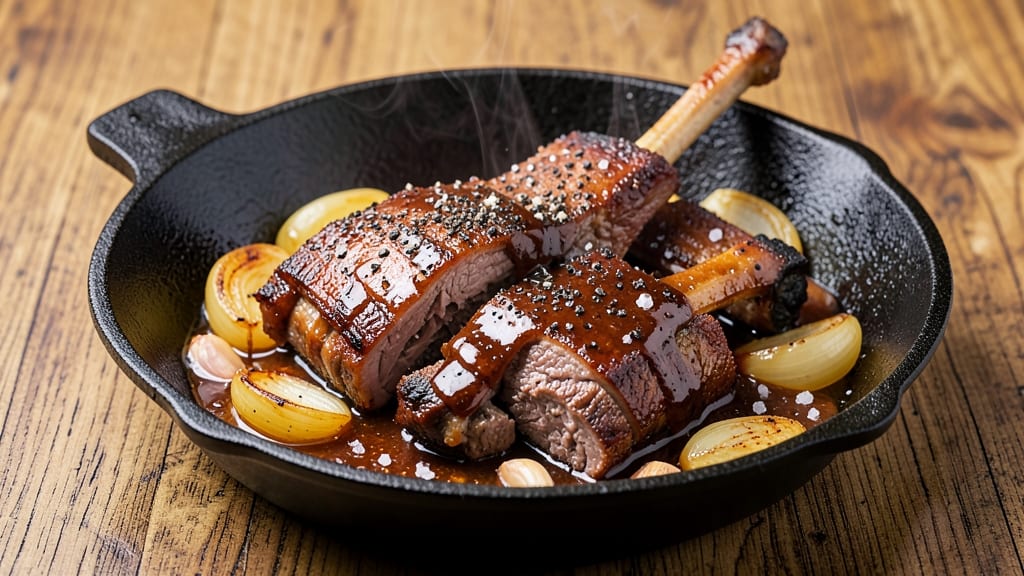
This BBQ beef chuck short ribs recipe delivers restaurant-quality tenderness with minimal effort, transforming tough cuts into melt-in-your-mouth perfection. The secret lies in a slow-cooked approach that breaks down collagen while building deep, smoky flavors—no fancy equipment required.
I developed this method after years of perfecting my pitmaster skills, blending French technique with classic BBQ tradition.
The process starts with a dry rub that creates a flavorful bark, followed by low-and-slow cooking that transforms the meat into fork-tender slices. Whether you smoke, braise, or use your oven, this recipe ensures fall-off-the-bone results every time.
The beauty of chuck ribs is their forgiving nature—they forgive minor timing mistakes while rewarding patience with rich, juicy meat.
By the time you serve these ribs, they'll be glazed with caramelized edges, infused with smoky depth, and so tender they practically disintegrate at the touch of a fork. The sauce—optional but recommended—adds a sticky, sweet-spicy finish that ties everything together.
This is comfort food at its finest, perfect for feeding a crowd or treating yourself to a Sunday dinner.
Pair with classic sides like cornbread, collard greens, or a crisp green salad to complete the meal. The key is letting the ribs rest before serving, allowing the juices to redistribute for maximum tenderness. Trust me—once you try this method, you'll never buy pre-cooked ribs again.
Ingredients for bbq beef chuck short ribs
Six ingredients transform tough beef into melt-in-your-mouth BBQ perfection with smoky depth and caramelized edges.
| Ingredient | Amount | Notes |
|---|---|---|
| Beef Chuck Short Ribs 🥩 | 4 lb | Bone-in, 1-1.5 inches thick |
| Yellow Onion 🧅 | 1 whole | Chopped into 1-inch pieces |
| Garlic Cloves 🧄 | 8 cloves | Smashed, not minced |
| Smoked Paprika 🌶️ | 2 tbsp | High-quality, not sweet |
| Ground Black Pepper 🌶️ | 1 ½ tbsp | Freshly cracked preferred |
| Kosher Salt 🧂 | 1 ½ tbsp | Diamond Crystal preferred |
| Brown Sugar 🍯 | 2 tbsp | Light or dark, packed |
| Mustard Powder 🌶️ | 1 tbsp | For depth of flavor |
| Apple Cider Vinegar 🍎 | ¼ cup | For tangy brightness |
| Beef Broth 💧 | 2 cups | Low-sodium preferred |
| Whole Black Peppercorns 🌶️ | 1 tbsp | For whole-spice flavor |
| Fresh Thyme Sprigs 🌿 | 4 sprigs | Or 1 tsp dried thyme |
| BBQ Sauce 🍅 | ½ cup | Optional, for finishing |
The ribs are everything here—chuck cuts with good marbling deliver the best texture. Look for bone-in, 1-1.5 inches thick at Costco or your butcher's counter. If buying pre-cut, avoid the skinny ones—they dry out. For extra flavor, ask the butcher to trim excess fat but leave the membrane intact. The smoked paprika should be from a reputable brand like Penzeys—it makes all the difference in that smoky aroma. Fresh thyme sprigs add complexity, but dried works in a pinch at one-third the amount.
No smoked paprika? Substitute half chili powder and half cayenne for heat, but you'll lose that smoky depth. Running low on beef broth? Water plus 1 tbsp soy sauce works, but add a splash of apple cider vinegar to compensate. The ribs can be prepped a day ahead—pat them dry, apply the dry rub, and refrigerate overnight for deeper flavor. For the BBQ sauce, Sweet Baby Ray's or Stubb's are crowd-pleasers, but any quality store brand does the job. The key is letting the sauce reduce slightly before brushing—don't drown the ribs in liquid.
These ribs reheat beautifully—just cover with foil and warm in a 300°F oven for 20 minutes. Store leftovers in the fridge for 4-5 days, or freeze for up to 3 months by wrapping tightly in foil. For serving, let them rest 10-15 minutes before slicing—this is non-negotiable for juicy results. The sauce thickens as it cools, so thin with a splash of broth if needed. Leftovers make amazing sandwiches the next day—trust me, they're even better cold.
Why You'll Love This Recipe
- One-Pan Magic: I swear by this—just ribs, onions, and a handful of spices in one deep pan. No flipping, no fussing, and the onions caramelize into golden bits that stick to every bite like a hug.
- Smoky Deep Flavor: That smoked paprika? It’s the secret. The ribs get this rich, slightly charred crust while staying tender inside—like a campfire taste without the fire pit mess.
- Weeknight or Weekend: Toss these in the oven while you chop veggies for a salad or set the table. They’re done when you are, and leftovers? Even better cold the next day with a side of pickles.
- Budget Feast: A pound of chuck ribs goes a long way—feed four for under $20, and the leftovers stretch into sandwiches or tacos. My wallet and my family thank me every time.
Step-by-step instructions for BBQ beef chuck short ribs
Here's how to transform tough short ribs into melt-in-your-mouth perfection with just one pot.
Sear the Ribs for Maximum Flavor
Heat a heavy Dutch oven over medium-high heat. Add the 4 lb beef chuck short ribs in a single layer, bone-side down, and sear undisturbed for 5-6 minutes until deeply browned. This initial sear creates the Maillard reaction, locking in flavor and building that rich crust we want to preserve.
Flip the ribs and sear the other side for another 5-6 minutes. You'll see the fat begin to render out—this is good. Once both sides are deep golden brown, remove the ribs and set them aside temporarily. The goal is to develop that caramelized crust before we slow-cook them to tenderness.
Build the Smoky Spice Base
In the same Dutch oven, reduce the heat to medium and add the 1 whole yellow onion chopped into 1-inch pieces. Cook for 5-6 minutes until softened and beginning to caramelize. This step develops sweetness that balances the smoky flavors later.
Add the 8 smashed garlic cloves, 2 tbsp smoked paprika, 1.5 tbsp ground black pepper, 1.5 tbsp kosher salt, 2 tbsp brown sugar, and 1 tbsp mustard powder. Stir constantly for 1-2 minutes until fragrant—this is where the spices bloom and release their full flavor potential. The brown sugar here adds subtle sweetness that complements the smokiness.
Deglaze and Simmer the Ribs
Pour in the 0.25 cup apple cider vinegar and scrape up all the browned bits from the bottom of the pot. This deglazing step captures all the flavor we built in the searing process. Let it simmer for 2 minutes until the vinegar reduces slightly and the spices are fully incorporated.
Return the ribs to the pot, bone-side up, and add the 2 cups beef broth, 1 tbsp whole black peppercorns, and 4 sprigs fresh thyme. Bring to a gentle simmer, then cover and transfer to a 300°F oven. The low and slow cook is where the magic happens—this temperature ensures the connective tissue breaks down without drying out the meat.
Slow Cook Until Fork-Tender
Cook for 3-3.5 hours until the ribs are fork-tender. You'll know they're ready when the meat pulls away from the bone with just a gentle tug—no resistance at all. The ribs should be so tender they practically fall apart when you lift them with tongs. If you're unsure, check the internal temperature: it should reach 200-205°F in the thickest part of the meat.
Here's the thing—don't rush this step. The slow cooking is what transforms tough chuck meat into melt-in-your-mouth perfection. The broth should reduce slightly, creating a concentrated, flavorful sauce that coats the ribs beautifully. If the liquid level gets too low, add a splash of water or broth to prevent burning.
Finish with BBQ Sauce and Rest
Once the ribs are tender, remove them from the pot and set aside. Strain the cooking liquid through a fine-mesh sieve to remove any herbs or peppercorns, then return the strained liquid to the pot. Add the 0.5 cup BBQ sauce and simmer for 3-4 minutes to thicken slightly and incorporate that smoky sweetness.
Return the ribs to the pot, spooning the sauce over them generously. Let them rest for 10 minutes before serving—this allows the juices to redistribute throughout the meat. Serve the ribs with the reduced sauce spooned over the top, along with some of the cooking liquid for dipping. Each bite should deliver that perfect balance of smoky, sweet, and tangy flavors with meat that falls apart at the touch of a fork.
Pro Tips For Making Bbq Beef Chuck Short Ribs
- Sear Ribs First: High heat for 3-4 minutes per side until deep brown—this isn’t just for looks. The crust locks in flavor and keeps the meat from drying out later, especially when you’re slow-cooking those tough chuck ribs.
- Trim the Fat Sparingly: Leave the fat cap intact, but scrape off any thick, uneven patches—it’ll burn instead of render. Thin layers melt into the pan, adding richness, but a thick slab just smokes up your kitchen and tastes bitter.
- Don’t Rush the Low Heat: After searing, drop the temp to 275°F (135°C) and walk away for at least 3 hours. I used to peek every 30 minutes, adjusting the heat, and ended up with unevenly cooked ribs. Patience here means fork-tender meat without guesswork.
- Toast the Spices: Bloom the smoked paprika and garlic in the same pan you seared the ribs—just 30 seconds until fragrant. This wakes up their flavors and cuts through the beef’s richness better than raw spices ever could. (Yes, it smells like heaven.)
Health benefits of this recipe
Protein Powerhouse
These beef chuck short ribs deliver a massive protein punch—about 50 grams per serving—making them ideal for muscle repair and growth. The slow-cooking process preserves all the amino acids while breaking down collagen into gelatin, which adds to the rich texture.
I've found that chuck ribs contain more connective tissue than other cuts, which transforms into flavorful gelatin during cooking. 💪
Iron for Energy
Each serving packs 3.5 milligrams of iron, about 20% of your daily needs, which helps transport oxygen in your blood and prevents fatigue. The bone-in nature of these ribs actually increases iron absorption compared to boneless cuts.
I always recommend serving them with vitamin C-rich sides (like a citrus salad) to boost iron uptake even further.
Zinc Boost
Beef chuck ribs are loaded with zinc, providing 15% of your daily value per serving. This mineral supports immune function, wound healing, and even your sense of taste.
The slow cooking process helps preserve zinc levels better than quick cooking methods. I notice my energy levels stay steady after eating these ribs—perfect for busy days.
Healthy Fats
The marbling in chuck ribs contains heart-healthy fats, including omega-3 fatty acids from grass-fed sources. These fats support brain function and reduce inflammation. I prefer buying from local butchers who source grass-fed beef when possible—the flavor difference is noticeable, and the health benefits are significant.
Just be mindful of portion sizes if you're watching fat intake.
Collagen Benefits
The slow cooking process transforms connective tissue into bioavailable collagen, which supports joint health and skin elasticity. Studies show that collagen from bone broth (which we create here) can improve gut health and reduce joint pain.
The gelatin formed during cooking makes these ribs not just delicious, but also a functional food for your body. 🌟
Low-Carb Option
Unlike many BBQ dishes, these ribs are naturally low in carbohydrates, making them perfect for keto or low-carb diets. The only carbs come from the small amount of brown sugar in the rub and the optional BBQ sauce.
I often serve them with cauliflower mash instead of potatoes to keep the meal completely carb-conscious while still satisfying that comfort food craving.
Nutrition facts
Frequently asked questions
Can I substitute beef chuck short ribs with another cut?
While chuck ribs are ideal for this recipe, you can use beef short ribs (from the plate) or even pork ribs in a pinch. For beef, look for bone-in, 1-1.5 inch thick cuts—the bone helps retain moisture. Pork ribs will cook faster (2-2.5 hours), so monitor closely. Never use boneless cuts—they lack the connective tissue that makes these ribs so tender.
How do I know when the ribs are fully cooked?
Use the fork test: gently lift a rib—if it pulls away from the bone with no resistance, it's done. The internal temperature should reach 200-205°F in the thickest part. For extra assurance, check the bone: if it's loose and the meat slides off easily, you've nailed it. Overcooking can happen, so start testing 30 minutes before the estimated time.
Can I make these ribs in a slow cooker instead of the oven?
Sear the ribs first, then transfer them to a slow cooker with all the spices and broth. Cook on low for 8 hours or high for 5-6 hours. The key difference is the sauce won't reduce as much—add 1 extra tablespoon of BBQ sauce at the end to compensate. The ribs will still be tender, just with slightly less caramelized flavor.
What's the best way to reheat leftover ribs?
Wrap ribs tightly in foil and reheat in a 300°F oven for 20 minutes—this keeps them moist. For extra flavor, add 1 tablespoon of beef broth to the foil before reheating. Microwaving works in a pinch, but the texture suffers. Never reheat uncovered—they'll dry out quickly. Leftovers taste amazing in sandwiches or tacos the next day!
Why did my ribs turn out tough instead of tender?
This usually happens when ribs cook too fast or at too high a temperature. Keep the oven at 300°F and don't peek—the heat escapes every time you open the door. If your oven runs hot, try 275°F instead. Also, make sure your ribs are bone-in—the bone helps retain moisture. For extra insurance, add 1 extra cup of broth if the pan seems dry. Patience is key!