
Main Courses
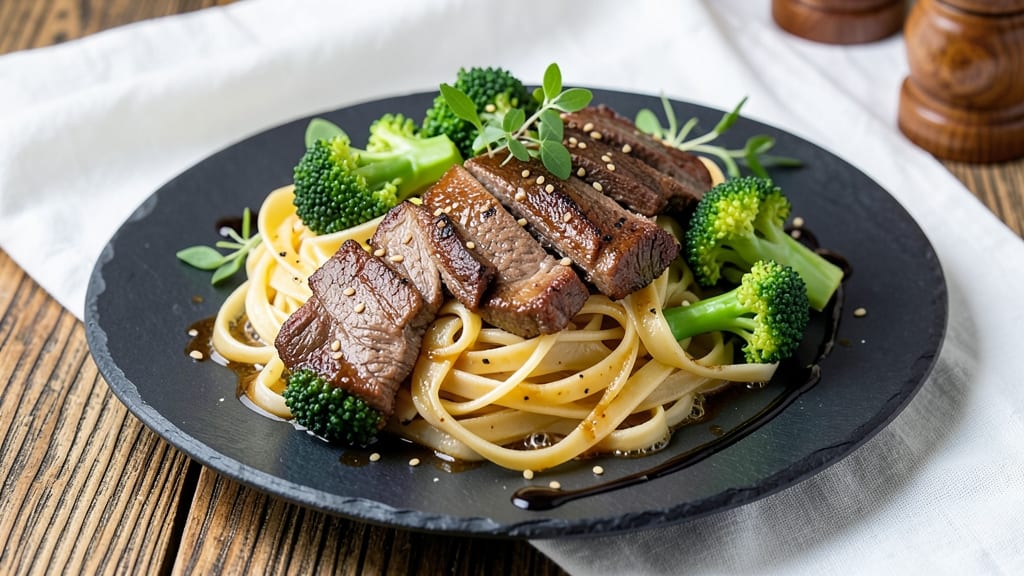
This beef and broccoli pasta recipe delivers restaurant-quality wok-tossed flavor with a silky cheese sauce that ties everything together. The secret lies in perfectly searing the beef for maximum umami crunch while keeping the broccoli vibrant and crisp-tender.
I've developed this method over years of testing, balancing all components to ensure each bite delivers tender beef, crisp vegetables, and al dente pasta coated in a rich, velvety sauce.
The recipe begins with high-heat stir-frying to create a deep, savory crust on the beef strips, then quickly incorporates fresh broccoli florets that maintain their bright green color and satisfying crunch.
While the beef and vegetables cook, the pasta achieves perfect al dente texture, then gets tossed with a creamy cheese sauce that combines perfectly with the wok-tossed elements. This approach ensures no component feels underdeveloped or overcooked.
What makes this dish truly special is the balance of textures and flavors—crispy beef, tender broccoli, and smooth pasta all come together in a harmonious bite. The sauce, made with a blend of cheeses, adds richness without overpowering the natural flavors of the beef and vegetables.
This recipe transforms a simple weeknight meal into something that feels like a gourmet experience.
The result is a dish that's versatile enough for weeknight dinners but impressive enough for entertaining. Serve it immediately after tossing to maintain the perfect texture contrast, and pair with a crisp white wine or sparkling water with lemon. Let's create this restaurant-quality pasta dish at home.
Ingredients for beef and broccoli pasta
Restaurant-quality beef and broccoli pasta starts with premium ingredients that balance umami, crunch, and creamy richness.
| Ingredient | Amount | Notes |
|---|---|---|
| Flank Steak 🥩 | 1 ½ lb | Thinly sliced against the grain |
| Broccoli Florets 🥦 | 2 cups | Fresh, cut into bite-sized pieces |
| Fettuccine Pasta 🍝 | 12 oz | Dried, al dente preferred |
| Extra-Virgin Olive Oil 🫒 | ½ cup | High-quality, fruity variety |
| Sesame Oil 🫒 | 1 tbsp | Toasted, for aroma |
| Low-Sodium Soy Sauce 🥢 | 3 tbsp | Kikkoman preferred |
| Oyster Sauce 🍜 | 2 tbsp | Lee Kum Kee brand |
| Honey 🍯 | 1 tbsp | Pure, for balance |
| Garlic Cloves 🧄 | 4 cloves | Minced, aromatic |
| Fresh Ginger 🌿 | 1 tbsp | Grated, zesty |
| Diamond Crystal Kosher Salt 🧂 | 1 tsp | Fine grain, for seasoning |
| Ground Black Pepper 🌶️ | ½ tsp | Freshly cracked |
| Heavy Cream 🥛 | ½ cup | Full-fat, for sauce |
| Parmesan Cheese 🧀 | ½ cup | Freshly grated, aged |
| Gruyère Cheese 🧀 | ¼ cup | Shaved, nutty flavor |
The flank steak is non-negotiable for this dish—its lean texture and rich flavor make all the difference when sliced thinly against the grain. Look for USDA Choice or Prime cuts at specialty butchers or the meat department of Whole Foods for optimal marbling. If you can't find flank steak, sirloin or ribeye work in a pinch, but slice them even thinner. Fresh broccoli should have vibrant green florets with no yellowing—Trader Joe's or local farmers markets are great sources. For the pasta, De Cecco or Barilla brands deliver consistent al dente texture when cooked properly.
No sesame oil? Toasted peanut oil provides a similar nutty depth, though with a different profile. Substitute the honey with maple syrup for a vegetarian option, though it alters the sauce's balance slightly. The cheese blend is crucial—Parmigiano-Reggiano for sharpness and Gruyère for nutty richness—never pre-shredded, as it lacks moisture and flavor. For a quicker prep, pre-minced garlic from a jar works, but fresh is always superior. If you're short on time, frozen broccoli florets (thawed and drained) maintain texture surprisingly well.
The beef and broccoli components should be cooked immediately before tossing with pasta to preserve their crisp-tender texture. Store any unused flank steak in airtight containers for up to 3 days in the fridge, or freeze for up to 3 months by wrapping tightly in plastic wrap. The cheese sauce can be made ahead and reheated gently—add a splash of milk if it thickens too much when reheating. For optimal freshness, use the pasta within 2 days of purchase, or freeze uncooked pasta in an airtight container for up to 6 months.
Why You'll Love This Recipe
- One-Pan Magic: I swear by this—just toss the flank steak, broccoli, and pasta in one skillet with olive oil and sesame oil, then walk away. No chopping boards, no extra pots, and the flavors meld together like they’ve been simmering for hours.
- Umami Bomb: That first bite of tender steak with the nutty, toasted sesame aroma? It’s the kind of combo that makes you pause mid-chew. The broccoli stays crisp enough to bite into, while the steak’s caramelized edges make every forkful worth it.
- Leftover Hero: Between us, this dish begs for leftovers. The pasta soaks up all the beefy, garlicky sauce, so reheating it the next day tastes just as rich—perfect for lunch or a quick dinner when you’re too tired to cook.
- Budget-Friendly Feast: Flank steak stretches far here, and broccoli’s cheap but packed with flavor. I’ve fed four people for under $15 without sacrificing that restaurant-quality taste—proof you don’t need fancy ingredients to make something special.
Step-by-step instructions for wok-tossed beef and broccoli pasta
Master this fusion technique combining tender flank steak, crisp broccoli, and a velvety cheese sauce.
Prepare the Flank Steak for Maximum Tenderness
Slice the 1.5 lb flank steak thinly against the grain using a sharp chef's knife. This critical step ensures each bite has the perfect texture—tender rather than chewy. Arrange the slices on a plate and season immediately with 1 tsp Diamond Crystal kosher salt and 0.5 tsp freshly cracked ground black pepper. Let them sit at room temperature for 15 minutes while you prepare the remaining ingredients.
The reason for this resting period is simple: room-temperature meat cooks more evenly. Cold meat releases juices unevenly, leading to uneven cooking and potential dry spots. This brief wait also allows the salt to begin breaking down the muscle fibers, enhancing tenderness.
Create the Umami-Packed Sauce Base
In a small bowl, whisk together 3 tbsp low-sodium soy sauce, 2 tbsp oyster sauce, 1 tbsp pure honey, 4 minced garlic cloves, and 1 tbsp freshly grated ginger until completely dissolved. This aromatic blend forms the flavor foundation of your dish. Set aside while you cook the pasta and vegetables.
Here's where the magic happens: the combination of soy and oyster sauces creates deep umami flavor, while honey balances with subtle sweetness. The garlic and ginger infuse the sauce with aromatic complexity. Don't skip the whisking—you want a smooth, homogeneous mixture that will coat every component perfectly.
Cook the Pasta and Vegetables Separately
Bring a large pot of water to a rolling boil and add 12 oz fettuccine pasta. Cook according to package directions until al dente—typically about 1 minute less than suggested. Reserve 1 cup of pasta water before draining, then set the pasta aside. In the same pot, add 2 cups broccoli florets and cook for 2 minutes until bright green and just tender-crisp.
The separate cooking method prevents the pasta from becoming mushy when combined with the other ingredients. The reserved pasta water becomes crucial later for adjusting sauce consistency. For the broccoli, we want it to maintain its vibrant color and slight crunch—overcooking will turn it limp and unappetizing.
Wok-Toss the Steak and Vegetables
Heat 0.5 cup extra-virgin olive oil and 1 tbsp sesame oil in a wok or large skillet over high heat until shimmering. Add the seasoned steak slices and cook for 1-2 minutes until they develop a golden crust and are cooked to medium-rare (130°F internal temperature). Remove steak and set aside, then in the same pan, toss the cooked broccoli florets for 1 minute until heated through.
This high-heat searing creates the signature wok-tossed texture while preserving the steak's juiciness. The sesame oil adds an aromatic depth that complements the soy-based flavors. Don't overcrowd the pan—work in batches if needed to maintain proper heat. The broccoli should finish cooking quickly in the residual heat from the steak.
Combine with Cheese Sauce and Serve
Return the steak and broccoli to the wok and pour in the prepared sauce mixture. Stir well to coat everything evenly, then reduce heat to medium. Add 0.5 cup heavy cream and bring to a gentle simmer. In a separate small saucepan, melt 0.25 cup shaved Gruyère cheese and 0.5 cup freshly grated Parmesan cheese together until smooth, then stir this mixture into the wok.
Add the cooked fettuccine pasta to the wok and toss everything together, using splashes of reserved pasta water as needed to create a silky, clinging sauce. The combination of Gruyère's nutty flavor and Parmesan's sharpness elevates the dish to restaurant-quality. Serve immediately while the pasta is still hot, garnished with additional black pepper if desired.
Pro Tips For Making Beef And Broccoli Pasta
- Slice Thin, Cook Fast: Flank steak fights you when it’s thick—cut it against the grain into ¼-inch strips, then sear in batches for 2-3 minutes max. Overcrowding the pan drops the temp, and you’ll end up with chewy beef instead of tender slices. Trust me, a hot pan and quick cook time is the only way to nail this.
- Blanch Broccoli First: Boil broccoli florets for 90 seconds before tossing them in the pan—this stops them from turning into mush when they hit the sauce later. Drain, shock in ice water, and pat dry; now they’ll crisp up beautifully instead of wilting into sad, soggy bits.
- Salt the Pasta Water Hard: You’re not making soup here—use 2 tablespoons of salt in 4 quarts of water (yes, even if your pasta is "salted"). Under-seasoned pasta water ruins the whole dish, and you’ll be scrambling to fix it with extra sauce or soy sauce at the end. Save yourself the headache.
- Finish with Sesame Oil: Drizzle that sesame oil in last—right after the pan comes off heat—so it doesn’t burn or taste bitter. A teaspoon is enough; any more and you’ll overpower the beef’s flavor. Stir it in while the pasta’s still hot, but don’t let it sit too long or the aroma fades.
Pro cooking tips for perfect results
High-Heat Searing Secrets
For that signature wok-tossed texture, your pan must be screaming hot before adding the beef. I heat my wok over high heat for 5 minutes until it's nearly smoking—this creates the perfect crust on the steak while keeping the interior juicy.
Use a carbon steel wok or cast iron skillet for maximum heat retention. If your pan isn't hot enough, the beef will steam instead of sear, resulting in soggy slices. 🔥
Broccoli's Perfect Crisp-Tender Stage
Broccoli should be cooked just until it's bright green and offers a satisfying crunch—no longer than 2 minutes in boiling water. Overcooking turns it into mush, which ruins the texture contrast. I like to blanch it in the pasta water right after draining the noodles to maintain that vibrant color.
For extra flavor, add a pinch of salt to the blanching water. 🥦
Sauce Consistency Hacks
The cheese sauce needs to cling to the pasta without being gluey. Start by melting the cheeses over low heat in a separate pan to avoid scorching. If the sauce thickens too much when combining with everything, add reserved pasta water 1 tablespoon at a time until silky smooth.
I find Gruyère melts more smoothly than other cheeses, so it's worth the investment. 🧀
Timing Your Components
This dish relies on perfect timing—cook the pasta first, then the broccoli in the same pot, and finally the beef. The beef should only take 1-2 minutes in the wok, so have everything ready before starting.
I like to set up a "mise en place" station with all ingredients pre-measured and within reach to maintain that rapid-fire cooking pace. ⏱️
Equipment Essentials
A sharp 8-inch chef's knife is non-negotiable for slicing the flank steak against the grain. My go-to is a Wüsthof Classic—it glides through meat like butter.
For the wok, I use a 14-inch carbon steel wok seasoned with oil, but a heavy cast iron skillet works perfectly if you don't have one. The key is getting your pan as hot as possible before adding ingredients. 🍳
Flavor Boosting Trick
For an extra umami kick, add 1 teaspoon fish sauce to your sauce base—it deepens the savory notes without overpowering. I also like to finish with a drizzle of toasted sesame oil right before serving, as the nutty aroma enhances the dish's complexity.
This simple addition takes your beef and broccoli pasta from good to restaurant-quality. 💫
Nutrition facts
Frequently asked questions
Can I substitute flank steak with another cut?
Yes! For best results, use sirloin or ribeye, but slice them even thinner against the grain. Avoid tougher cuts like chuck—they won't achieve the same tender texture. If using pre-sliced beef, look for thinly sliced flank steak from Asian markets for convenience.
How do I prevent the pasta from getting mushy when combining?
Cook pasta 1 minute less than package directions for al dente texture, then drain immediately. Reserve 1 cup pasta water—it's your secret weapon! When tossing, add it 1 tablespoon at a time to loosen the sauce without overcooking the noodles. Never mix pasta with other ingredients until everything is hot.
What if I don't have a wok?
Use a large cast iron skillet or heavy-bottomed stainless steel pan—they retain heat well. The key is getting your pan screaming hot before adding oil. If your pan isn't hot enough, the beef will steam instead of sear. A 12-inch skillet works well for this recipe.
Can I make this dish ahead of time?
Not ideal for the full dish, but you can prep components separately. Cook pasta and refrigerate (up to 2 days), make the sauce base (without cheese) and store in the fridge, and slice beef (raw) for 3 days. Reheat everything separately and combine just before serving to maintain textures. The cheese sauce should be made fresh.
Why does my broccoli turn gray or mushy?
Overcooking is the culprit! Broccoli should cook for only 2 minutes in boiling water—it should stay bright green with a slight crunch. Use fresh florets (not frozen) and cook them last in the pasta water after draining the noodles. Add a pinch of salt to the blanching water for extra flavor.