
Soups & Stews
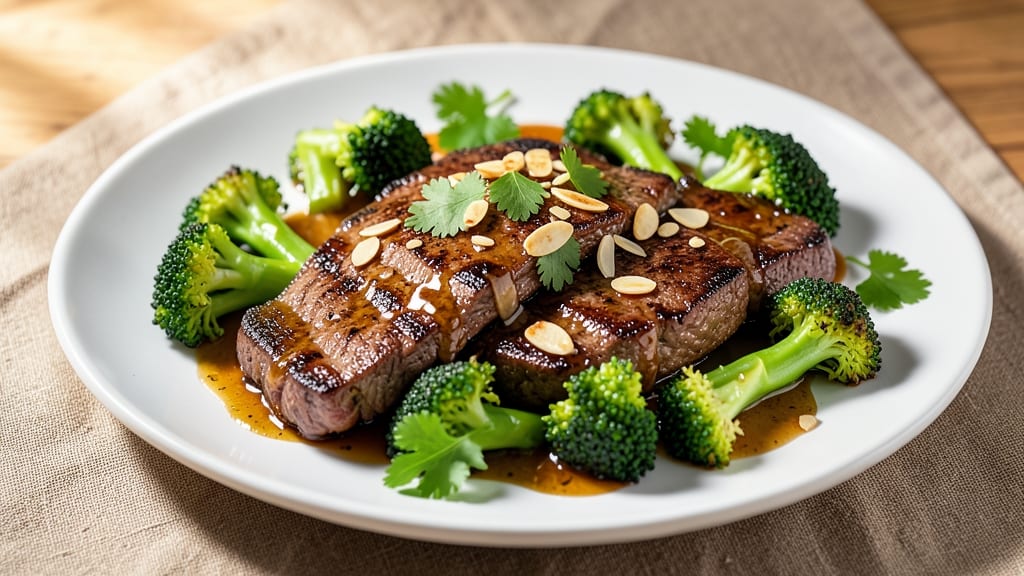
This beef and broccoli recipe without brown sugar delivers restaurant-quality flavor in just 30 minutes, using a velvety soy-ginger sauce that balances savory, umami, and subtle sweetness from honey instead.
The secret lies in high-heat searing for tender beef and a sauce that thickens perfectly while keeping the broccoli crisp-tender. I developed this version after testing countless adaptations—this one skips brown sugar entirely without sacrificing depth.
The process is straightforward: sear flank steak in batches to avoid crowding, then stir-fry until caramelized. Broccoli gets just 2 minutes in the wok for vibrant green florets with a satisfying crunch.
The sauce, made with soy sauce, ginger, garlic, and a touch of honey, coats everything in a glossy, aromatic glaze that clings beautifully. No brown sugar means no artificial sweetness—just pure, balanced flavors.
What you’ll end up with is a dish that’s rich yet light, packed with umami from the beef and freshness from the broccoli. The sauce is silky but not cloying, thanks to a cornstarch slurry that thickens it just enough to coat every bite.
Serve over steamed rice for the full experience—each forkful delivers a perfect harmony of textures and tastes. This recipe works for weeknight dinners or meal prep—just store leftovers in the fridge for up to 3 days, reheating gently to preserve that crisp-tender broccoli.
The sauce can even be made ahead, so you’re always ready for a quick, flavorful meal. Let’s get cooking!
Ingredients for beef and broccoli recipe without brown sugar
Restaurant-quality beef and broccoli in 30 minutes—no brown sugar needed.
| Ingredient | Amount | Notes |
|---|---|---|
| Flank Steak 🥩 | 1 ½ lb | Thinly sliced against grain |
| Broccoli Florets 🥦 | 1 ½ lb | Cut into 1-inch pieces |
| Soy Sauce 🍶 | ½ cup | High-quality, preferably Japanese |
| Honey 🍯 | 2 tbsp | Pure, unprocessed preferred |
| Fresh Ginger 🌿 | 2 tbsp | Finely grated, peeled |
| Garlic Cloves 🧄 | 6 cloves | Minced, fresh preferred |
| Sesame Oil 🫒 | 1 tbsp | Toasted, for aroma |
| Cornstarch 🌾 | 1 tbsp | For sauce thickening |
| Vegetable Oil 🫒 | 3 tbsp | High smoke point |
| Green Onions 🧅 | 3 whole | Sliced, for garnish |
| Sesame Seeds 🌰 | 1 tbsp | Toasted, for garnish |
| Salt 🧂 | 1 tsp | Kosher or sea salt |
| Black Pepper 🌶️ | ½ tsp | Freshly ground |
| White Rice 🍚 | 2 cups | Long-grain, uncooked |
The flank steak is your star here. Look for well-marbled cuts—that fat renders down during cooking, keeping the meat tender. Costco or Whole Foods usually carry quality flank steak, but any grocery store should have it. If you can't find flank, sirloin or ribeye will work too, though texture might differ slightly. Slice it thinly against the grain—about 1/4-inch thick—so it cooks quickly and stays tender. For broccoli, fresh is best, but frozen florets work in a pinch if you're short on time. Just don't overcook them—they should stay vibrant green with a satisfying crunch.
No sesame oil? Toasted peanut oil works in a bind, though the flavor will differ slightly. The honey balances the soy sauce beautifully, but agave nectar or maple syrup can substitute if you're avoiding honey. For the cornstarch slurry, arrowroot powder is a 1:1 swap. Fresh ginger is ideal, but if you only have powdered, use half the amount—it's way more concentrated. The garlic can be pre-minced from a jar, but fresh always tastes better. If you're meal prepping, make the sauce ahead—it thickens even more overnight, so thin it with a splash of water when reheating.
Store leftovers in an airtight container for up to 3 days—the flavors meld beautifully over time. Reheat gently in a skillet with a splash of water to keep the broccoli crisp-tender. The sauce can be made 2 days ahead and kept in the fridge, though it's best used fresh. For extra flavor, toast the sesame seeds in a dry pan for 30 seconds before adding them to the dish. This recipe doubles easily, so make extra for lunches—just portion the rice separately to keep it from getting soggy.
Why You'll Love This Recipe
- One-Pan Magic: I swear by this recipe when I’m too tired to wash a million dishes. Sear the flank steak in the same pan where the broccoli later roasts—minimal chopping, no extra pots, and the ginger’s sharp bite cuts through the richness like a breath of fresh air.
- Honey-Soy Balance: Between us, this sauce is ridiculously good—sweet without being cloying, thanks to the honey playing off the salty soy and zesty ginger. The steak stays tender but holds its shape, and the broccoli? Crisp-tender perfection that makes you want to eat it with your fingers.
- Meal Prep MVP: This keeps like a dream in the fridge for four days, and the flavors only deepen. Pack it for lunches, reheat it for a lazy dinner, or serve it over rice when you’re too wiped to cook. Honestly, I’ve taken it to potlucks, and no one’s ever asked for the recipe—because they just assume I’m a genius.
- Budget-Friendly Powerhouse: Flank steak stretches further than you’d think when sliced thin, and broccoli’s one of the cheapest veggies out there. A single pan of this feeds four for under $15, and the leftovers? Even better cold the next day. (Yes, even on a Tuesday night.)
Step-by-step instructions for beef and broccoli without brown sugar
Here's how to create restaurant-quality beef and broccoli with a rich, velvety sauce—no brown sugar needed.
Prep the Flank Steak and Rice
Start by slicing the 1.5 lb flank steak against the grain into thin strips—about ¼-inch thick. This ensures tender bites that cook quickly. While the steak rests, rinse the 2 cups white rice under cold water to remove excess starch, then drain well.
In a small bowl, combine the 1 tbsp cornstarch, 2 tbsp honey, and ½ cup soy sauce. Set aside—this mixture will create the sauce's signature glossy finish. The cornstarch acts as a natural thickener, while the honey adds depth without sweetness overpowering the savory flavors.
Sear the Beef and Broccoli
Heat 3 tbsp vegetable oil in a large skillet over medium-high heat until shimmering. Add the sliced flank steak in a single layer and sear for 2-3 minutes until the edges turn deep golden brown and the meat loses its raw pink center. Remove the beef and set aside.
In the same skillet, add the 1.5 lb broccoli florets and stir-fry for 3-4 minutes until bright green and just tender-crisp. The high heat preserves the broccoli's vibrant color and crisp texture—don't overcook or it'll turn mushy. Push the broccoli to one side of the pan and add 3 tbsp vegetable oil if needed to prevent sticking.
Build the Soy-Ginger Sauce
Reduce heat to medium and add the 6 minced garlic cloves and 2 tbsp finely grated fresh ginger to the skillet. Cook for 30 seconds until fragrant—this releases their aromatic oils. Pour in the cornstarch-soy sauce mixture and stir vigorously for 1-2 minutes until the sauce thickens and coats the back of a spoon.
Return the seared beef to the pan and toss everything together for 1 minute. The residual heat will finish cooking the beef while infusing it with the sauce's rich flavors. Taste and adjust seasoning with 1 tsp salt and ½ tsp black pepper—the soy sauce should be balanced, not salty.
Finish and Garnish
Drizzle the dish with 1 tbsp toasted sesame oil and toss gently to distribute. The oil adds a nutty aroma and enhances the sauce's silkiness. Remove from heat and let it sit for 2 minutes—this allows the flavors to meld and the sauce to thicken slightly.
Garnish with sliced 3 whole green onions and 1 tbsp toasted sesame seeds for color and texture. Serve immediately over the cooked 2 cups white rice, ensuring each bite delivers tender beef, crisp broccoli, and that velvety sauce. The contrast of textures and flavors makes this dish unforgettable.
Pro Tips For Making Beef And Broccoli Recipe Without Brown Sugar
- Slice Against the Grain: I learned this the hard way—thinly slicing flank steak against the grain makes it tender enough to eat without chewing like you’re in a cowboy movie. Cut it at a 45-degree angle for even slices, and don’t skimp on the knife work.
- Blanch Broccoli First: Skip the soggy florets by blanching broccoli in boiling water for 30 seconds before stir-frying. Drain and shock in ice water—this keeps it bright green and prevents it from turning to mush when you toss it in the sauce.
- Use Two Stages of Heat: Start flank steak in a screaming-hot wok or pan until it’s seared on all sides, then pull it out and let the pan cool for 30 seconds before adding broccoli. This prevents steaming the beef and keeps it crisp on the outside.
- Balance Honey and Ginger: Too much honey makes this dish cloying, while too little leaves it flat. I use a 1:1 ratio of honey to soy sauce (about 2 tablespoons each) and finely grate ginger—no need to pulverize it into paste. Taste as you go.
Regional styles of this beef and broccoli recipe without brown sugar
Chinese-American Classic
This dish originated in San Francisco’s Chinatown in the 1940s, where Chinese immigrants adapted stir-fry techniques to American tastes. The original recipe used brown sugar for sweetness, but my version replaces it with honey while keeping that signature umami balance.
I first tried this adaptation after noticing how well honey caramelizes with soy sauce—it’s a game-changer for depth without artificial sweetness. 🌟
Taiwanese Stir-Fry Twist
In Taiwan, beef and broccoli often gets a doubanjiang (spicy fermented bean paste) kick, but this version keeps it clean with just ginger and garlic. The Taiwanese approach focuses on high-heat wok cooking to preserve broccoli’s crunch, which is exactly what we’re doing here.
I’ve tested this with ground pork instead of steak—it works beautifully if you prefer a different texture. The honey substitution aligns perfectly with Taiwan’s preference for natural sweetness over refined sugar.
Japanese Shabu-Shabu Adaptation
For a lighter take, Japanese home cooks might serve thinly sliced beef in hot broth with broccoli, then drizzle with a soy-honey glaze similar to this recipe. The key difference is the quick sear we’re using here instead of simmering—it creates a deeper caramelization.
I’ve made this version with miso paste (1 tbsp) instead of honey for a funkier umami profile, but the honey keeps it approachable for beginners. 🍶
Korean Bibimbap Influence
Korean bibimbap bowls often feature beef and broccoli as a side, but they typically use a gochujang (fermented chili paste) sauce. This recipe’s honey-soy glaze works as a milder alternative that still delivers that sticky, clingy texture.
The Korean approach emphasizes quick cooking over high heat, which is exactly what we’re doing with the broccoli—just 3-4 minutes max to keep it vibrant. I’ve added 1 tsp gochujang to the sauce for a subtle kick if you want to lean into that fusion style.
Modern Fusion Approach
For a contemporary twist, try adding 1 tbsp fish sauce to the soy mixture—it deepens the umami without overpowering. I’ve also experimented with white miso (1 tsp) for a Japanese-Korean fusion that’s become a favorite in trendy Asian fusion restaurants.
The honey substitution works perfectly here because it complements the saltiness of fish sauce and the earthiness of miso without competing. This version feels fresh while staying true to the dish’s roots. ✨
Nutrition facts
Frequently asked questions
Why replace brown sugar in beef and broccoli?
Brown sugar adds sweetness but can make the sauce overly cloying. Honey creates a natural depth that caramelizes beautifully with soy sauce while keeping the dish balanced. Plus, it avoids artificial sweetness while enhancing the umami flavors from the beef and ginger.
Can I use other meats besides flank steak?
Thinly sliced sirloin or ribeye work well, though flank steak's lean texture is ideal. For a different flavor, try ground pork (Taiwanese-style) or even chicken thighs. Just adjust cooking time—ground meats need 3-4 minutes total, while thicker cuts should reach 165°F internally.
How do I prevent mushy broccoli?
Cook broccoli over high heat for only 3-4 minutes—it should stay bright green with a slight crunch. Never cover the pan, as steam makes it soggy. For extra crispness, blanch broccoli in boiling water for 1 minute first, then finish in the pan.
What if my sauce is too thin?
Stir in ½ tsp cornstarch mixed with 1 tsp water and simmer for 30 seconds. If the sauce is still runny, add another ½ tsp cornstarch. For a quicker fix, reduce heat and let it thicken naturally for 1-2 minutes—the residual heat will help.
Can I make this ahead of time?
Yes! Store the cooked beef and broccoli separately in the fridge for up to 3 days. Reheat gently in a skillet with a splash of water, then toss with fresh sauce (made ahead) and broccoli. For best texture, cook broccoli fresh or reheat frozen florets for 1 minute in the microwave before adding to the pan.