
Soups & Stews
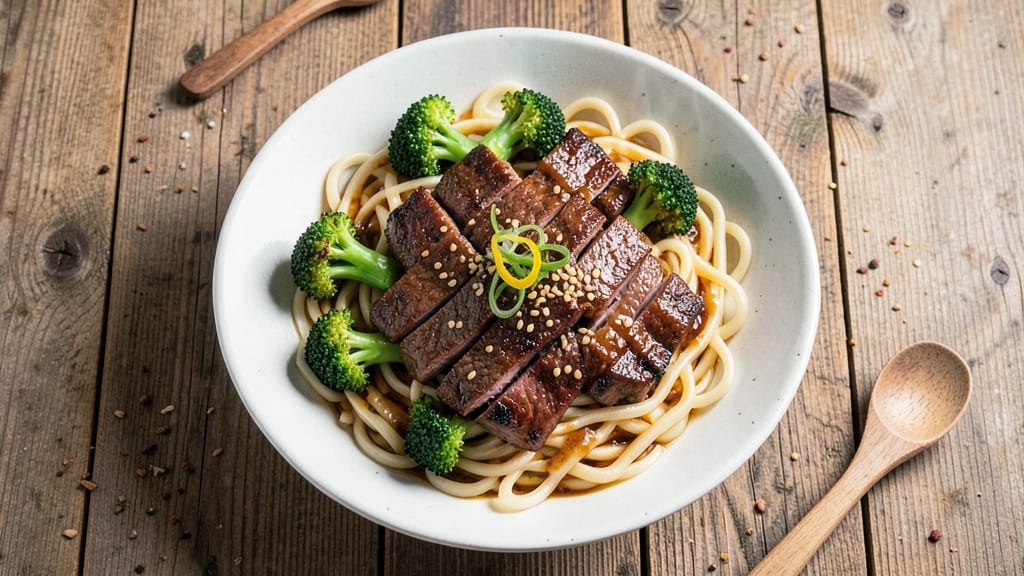
This beef and broccoli udon noodles recipe delivers restaurant-quality Asian flavors with silky slurp-worthy noodles and wok-fired beef that stays tender-crisp. The secret lies in balancing soy ginger sauce with umami-rich oyster sauce, creating a glossy coating that clings perfectly to every strand of udon and bite of beef.
I've perfected this dish over years of testing—no takeout can compete with the homemade version where each ingredient plays its part in harmony.
The key to achieving that signature silky slurp texture is using freshly cooked udon noodles, which maintain their chewy bite while absorbing the savory sauce.
Thinly sliced beef strips cook quickly in a hot wok, developing a caramelized crust without drying out, while broccoli florets stay crisp-tender from just 2 minutes of stir-frying. The sauce—built with soy sauce, ginger, garlic, and a touch of sesame oil—adds depth that transforms simple ingredients into something extraordinary.
What you'll end up with is a bold, balanced bowl where each component shines: tender beef with caramelized edges, crisp-broccoli that adds texture, and slippery udon strands coated in that glossy soy-ginger sauce.
The aroma alone will have everyone gathering around the table, and the first bite delivers that perfect combination of umami, spice, and freshness that defines great Asian street food.
Serve immediately with optional garnishes like toasted sesame seeds and sliced green onions for extra crunch and color. This recipe scales beautifully—double it for a crowd or halve it for a quick weeknight dinner.
The beauty of this dish is its versatility: it works as a light lunch or hearty dinner, and the leftovers reheat wonderfully while maintaining that restaurant-quality taste.
Ingredients for beef and broccoli udon noodles
These carefully balanced ingredients create restaurant-quality beef and broccoli udon with silky slurp-worthy texture and bold Asian flavors.
| Ingredient | Amount | Notes |
|---|---|---|
| Fresh Udon Noodles 🍜 | 8 oz | Dried or fresh, cooked al dente |
| Flank Steak 🥩 | 1 lb | Thinly sliced against grain |
| Broccoli Florets 🥦 | 4 cups | Cut into bite-sized pieces |
| Light Soy Sauce 🍶 | ½ cup | Kikkoman preferred for balance |
| Oyster Sauce 🥫 | 2 tbsp | Lee Kum Kee for authenticity |
| Sesame Oil 🫒 | 1 tbsp | Toasted for nutty aroma |
| Fresh Ginger 🌿 | 1 tbsp | Grated, no zest needed |
| Garlic Cloves 🧄 | 4 cloves | Minced, not pressed |
| Honey 🍯 | 1 tbsp | Wildflower preferred |
| Rice Vinegar 🍶 | 1 tbsp | Seasoned for balance |
| Vegetable Oil 🫒 | 2 tbsp | High smoke point |
| Toasted Sesame Seeds 🌰 | 1 tbsp | For garnish |
| Green Onions 🧅 | 2 whole | Sliced thin for garnish |
| Red Pepper Flakes 🌶️ | ½ tsp | Adjust to taste |
| Diamond Crystal Kosher Salt 🧂 | ½ tsp | For seasoning |
The udon noodles are the foundation—fresh or high-quality dried makes all the difference. Martins brand from Asian markets delivers that perfect chewy texture, but any reputable udon will work. For the beef, flank steak sliced against the grain ensures tender bites with caramelized edges. Broccoli should be bright green florets—avoid pre-cut pieces that wilt quickly. The sauce relies on Kikkoman soy sauce and Lee Kum Kee oyster sauce for that authentic umami depth, but any quality brands will suffice if you can't find these specifically.
No fresh ginger? Substitute 1 teaspoon of ground ginger, but fresh is ideal for that bright, zesty kick. Running low on sesame oil? Toasted peanut oil works in a pinch, though it lacks the nutty aroma. The honey in the sauce can be swapped for agave nectar if preferred. For extra heat, add 1 teaspoon of gochujang to the sauce mixture. The beef can be pre-sliced at the store, but slicing it yourself ensures even thickness for perfect cooking. Broccoli florets can be prepped ahead—just store them in a sealed container with a paper towel to absorb moisture.
Cook the udon noodles just before serving—they lose their chewy texture when reheated. The beef and broccoli can be stir-fried up to 2 days ahead and stored in an airtight container. Reheat gently in a wok or skillet with a splash of water to maintain moisture. For maximum freshness, garnish with toasted sesame seeds and green onions right before serving. This dish reheats beautifully—30 seconds in the microwave with a splash of water restores that wok-fired texture. Portion into containers for meal prep, but add fresh garnishes when ready to eat.
Why You'll Love This Recipe
- One-Pan Magic: I swear by this—just sear the flank steak, toss in the broccoli florets, and let the soy and oyster sauce work their magic while the udon noodles cook in the same pot. Minimal cleanup, maximum flavor.
- Umami Bomb: That combo of light soy and oyster sauce? It’s like a flavor grenade—salty, sweet, and deep all at once. The broccoli adds a nice crunch, and the tender beef? Pure satisfaction in every bite.
- Lunchbox Hero: Between us, this is my go-to for meal prep. Double the batch, store the leftovers, and reheat with a splash of water—still delicious the next day. Even my picky kid grabs seconds.
- Budget Powerhouse: Flank steak stretches far, udon noodles are cheap in bulk, and broccoli’s a staple. I make this for four people for under $15, and honestly? It feels like a restaurant meal for half the price.
Step-by-step instructions for wok-fired beef and broccoli udon
Master this Asian-inspired dish with precise timing and wok technique for perfect texture contrasts.
Prepare the Flank Steak for Maximum Tenderness
Slice the 1 lb flank steak thinly against the grain into ¼-inch thick strips. This is crucial—thin slices ensure quick cooking and fork-tender results. Place the sliced steak in a bowl and add 0.5 tsp Diamond Crystal kosher salt, 1 tbsp rice vinegar, and 1 tbsp honey. Mix well to coat evenly, then let it marinate for 15 minutes at room temperature. The acidity in the vinegar tenderizes while the honey adds subtle sweetness that balances the savory flavors.
While the steak marinates, prepare the broccoli by cutting the 4 cups broccoli florets into bite-sized pieces. Blanch them in boiling water for 1 minute, then immediately plunge into ice water to stop cooking. This preserves their vibrant green color and crisp texture. Drain well and set aside—you want them to stay crisp when they hit the wok later.
Build the Flavor Base with Aromatics and Sauces
Heat 2 tbsp vegetable oil in a wok or large skillet over high heat until shimmering. Add the 4 cloves minced garlic and 1 tbsp grated fresh ginger—they should sizzle immediately. Cook for 30 seconds until fragrant but not browned. This quick cooking preserves their bright flavor without bitterness.
Reduce heat to medium-high, then add 0.5 cup light soy sauce and 2 tbsp oyster sauce. Stir constantly for 1 minute until the sauce begins to thicken slightly. The soy sauce provides umami depth while the oyster sauce adds a rich, slightly sweet complexity. Here's the thing—don't let the sauce burn. If it starts to darken too quickly, reduce heat slightly and let it simmer gently.
Cook the Steak to Perfect Doneness
Return the heat to high and add the marinated steak in a single layer. Let it sear undisturbed for 1 minute—this creates a caramelized crust. Then stir-fry for 2-3 minutes until the steak is lightly browned on all sides and nearly cooked through. The high heat ensures the steak remains tender rather than tough.
Remove the steak with a slotted spoon and set aside. In the same wok, add the blanched broccoli florets and stir-fry for 2 minutes until heated through. The residual heat from the steak will finish cooking the broccoli perfectly. Add 1 tbsp toasted sesame oil and 0.5 tsp red pepper flakes, tossing to coat evenly. The sesame oil adds nutty depth while the red pepper flakes introduce a subtle heat that cuts through the richness.
Combine and Finish with Udon Noodles
Cook the 8 oz fresh udon noodles according to package instructions until al dente—they should have a slight bite. Drain and rinse briefly under cold water to stop cooking, then drain again thoroughly. Return the udon to the pot and toss with 1 tbsp sesame oil to prevent sticking.
Combine the cooked udon with the steak and broccoli mixture in the wok. Add the sliced 2 whole green onions and toss everything together for 1-2 minutes until well coated and heated through. The noodles should absorb the sauce but remain tender. Taste and adjust seasoning if needed—you might want to add a splash more soy sauce if the dish tastes too mild.
Plate and Garnish for Presentation
Divide the beef and broccoli udon among 4 plates, garnishing each with an additional sprinkle of toasted sesame seeds and thinly sliced green onions. The sesame seeds add texture and visual appeal, while the green onions provide a fresh contrast. Serve immediately while the noodles are hot and the flavors are at their peak.
This dish delivers the perfect balance of textures—silky udon, tender steak, and crisp broccoli—all coated in a savory-sweet sauce. The wok technique ensures everything cooks quickly and evenly, preserving the individual components' integrity while creating a harmonious whole. Each bite should offer a symphony of flavors and textures that make this dish truly memorable.
Pro Tips For Making Beef And Broccoli Udon Noodles
- STEAM BROCCOLI FIRST: I learned this the hard way—overcooking broccoli turns it into mush, and you don’t want sad, limp florets in your udon. Steam the broccoli for exactly 2-3 minutes until bright green and still crisp, then shock it in ice water to stop cooking. This keeps it vibrant and crunchy when you toss it with the beef later.
- SLICE STEAK AGAINST THE GRAIN: Flank steak’s fibers run long, and if you cut with the grain, you’ll end up with chewy, rubbery slices. Instead, slice thinly against the grain at a 45-degree angle—this shortens the fibers and guarantees tender bites. A sharp knife and steady hand make all the difference here.
- SAUTE BEEF IN BATCHES: Crowding the pan turns beef into a sad, greasy mess. Cook the flank steak in two batches over medium-high heat—just 1-2 minutes per side—until it hits a deep caramelized crust. The first batch will push the temp up, so let the pan cool slightly before the second round.
- USE LESS OYSTER SAUCE: Oyster sauce is salty and potent, and I’ve ruined dishes by adding too much. Start with just 1 tablespoon (plus a splash of water to thin) and taste as you go. You can always add more, but you can’t un-salt a dish. Balance it with a drizzle of light soy sauce for depth without overpowering the broth.
Regional styles of this dish
Japanese Yakisoba Fusion
This version transforms your beef and broccoli udon into a Japanese-style yakisoba with a few key tweaks. Swap the udon for thin wheat noodles (like yakisoba noodles) and add bonito flakes for umami depth.
Use mirin instead of honey in the sauce and finish with pickled ginger for brightness. The beef remains the star, but the noodle base shifts to that classic Japanese stir-fry texture. 🍜
Korean Bibimbap-Inspired
For a Korean twist, add gochujang (1 tbsp) to the sauce and stir in spicy kimchi (½ cup, chopped) during the final toss. Top with fried egg and toasted sesame seeds before serving.
The gochujang brings fermented heat while kimchi adds tangy crunch. Serve with ssamjang (Korean dipping sauce) on the side for extra flavor. The beef stays tender, but the dish gains bold, spicy layers. 🌶️
Thai-Inspired Pad See Ew
Transform this into a Thai-inspired pad see ew by swapping udon for flat rice noodles and adding red curry paste (1 tbsp) to the sauce. Stir in Thai basil leaves and lime wedges for serving.
The beef gets a smoky, slightly sweet profile from the curry paste, while the basil adds freshness. Garnish with crushed peanuts for texture. The dish becomes lighter but equally flavorful. 🍋
Chinese Hot-and-Sour Udon
For a hot-and-sour variation, add chili oil (1 tbsp) and vinegar (1 extra tbsp) to the sauce. Toss in wood ear mushrooms (½ cup, sliced) and bean sprouts (1 cup) for texture. The broccoli stays, but the dish gains a tangy, spicy kick.
Top with cilantro and extra chili oil for heat lovers. This version is bold and refreshing, perfect for a quick weeknight meal. 🔥
Vegetarian Udon Twist
Skip the beef and replace it with shitake mushrooms (8 oz, sliced) and tofu (½ block, pressed and cubed). Use soy sauce (¼ cup extra) and miso paste (1 tbsp) for depth.
The udon and broccoli remain, but the dish becomes hearty and packed with umami. Garnish with scallions and sesame seeds for freshness. This version proves the dish works beautifully without meat. 🌱
Nutrition facts
Frequently asked questions
Can I use dried udon noodles instead of fresh?
Dried udon works perfectly—just follow package instructions for cooking time (usually 4-5 minutes in boiling water). For extra chewiness, rinse briefly in cold water after draining. The key is to cook them just before serving since reheating makes them mushy.
How do I prevent the beef from getting tough?
Slice the flank steak thinly against the grain (¼-inch strips) and marinate for 15 minutes with rice vinegar and honey. High heat (high wok temperature) for 2-3 minutes max keeps it tender. Overcooking is the enemy—remove when slightly pink inside.
Can I make this dish ahead of time?
Cook the beef and broccoli up to 2 days ahead and store in an airtight container. Reheat gently in a wok with a splash of water to maintain moisture. Cook udon fresh—it loses texture when reheated. Assemble everything when ready to eat for that restaurant-style slurp.
What if I don't have oyster sauce?
Substitute with 2 tbsp soy sauce + 1 tsp sugar for similar umami-sweet balance. For extra depth, add ½ tsp fish sauce. The dish will still taste great—just slightly less complex. The sauce should still coat the noodles beautifully.
How do I adjust the spice level?
Start with 0.5 tsp red pepper flakes for mild heat. For medium spice, double it. For fiery kick, add 1 tsp gochujang or ½ tsp chili crisp with the sauce. Always taste as you go—adjust gradually!