
Soups & Stews
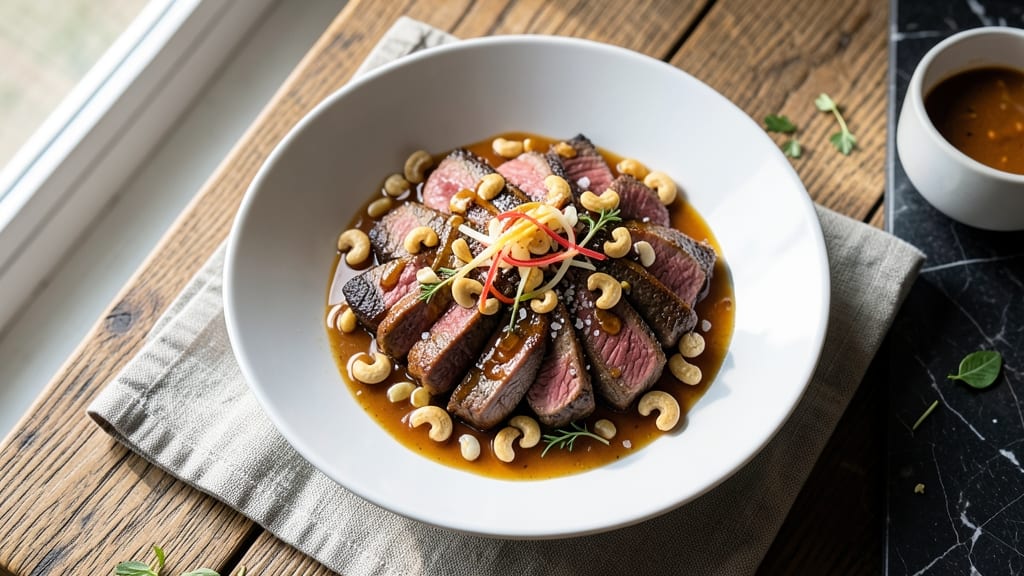
This beef and cashew recipe delivers a perfect balance of crunchy texture and silky sauce in every bite, transforming a simple weeknight dinner into something restaurant-worthy.
The secret lies in properly searing the beef for depth of flavor while keeping it tender, then blending cashews into a velvety sauce that coats everything beautifully.
I developed this dish after years of experimenting with stir-fry techniques, and the cashew addition was the game-changer that elevated it from good to unforgettable.
The recipe begins with a quick sear of beef strips in a hot wok or skillet, locking in juices while building that essential caramelized crust.
As the beef cooks, you'll remove it to set aside, then create the sauce using toasted cashews, garlic, ginger, and a blend of soy sauce and honey for perfect balance. The cashews add both texture and richness, creating a sauce that's silky yet substantial enough to hold the beef beautifully.
What makes this dish truly special is how the textures and flavors come together: tender beef with a slightly crispy edge, crunchy cashew pieces throughout the sauce, and that perfect harmony of sweet, savory, and umami notes.
The sauce clings to the beef while maintaining its smooth consistency, making every forkful a satisfying experience. It's the kind of meal that feels both comforting and sophisticated at the same time.
Serve this beef and cashew dish over steamed jasmine rice or with a side of stir-fried vegetables for a complete meal. The sauce works beautifully with both, allowing the flavors to shine while keeping the presentation clean and elegant.
Ready in about 30 minutes, this recipe proves you can create restaurant-quality meals without spending hours in the kitchen.
Ingredients for beef and cashew
Game-changing ingredients that turn simple beef into restaurant-worthy magic with just one nutty twist.
| Ingredient | Amount | Notes |
|---|---|---|
| Flank Steak 🥩 | 1 ¼ lb | Thinly sliced against grain |
| Raw Cashews 🥜 | ½ cup | Toasted for nutty flavor |
| Garlic Cloves 🧄 | 4 cloves | Minced for aromatic base |
| Fresh Ginger 🌿 | 1 ½ tbsp | Grated, not powdered |
| Low-Sodium Soy Sauce 🍶 | ¼ cup | For umami depth |
| Honey 🍯 | 2 tbsp | Wildflower preferred |
| Sesame Oil 🫒 | 1 tbsp | Toasted sesame flavor |
| Vegetable Oil 🫒 | 2 tbsp | High smoke point |
| Rice Vinegar 🍶 | 1 tbsp | For brightness |
| Cornstarch 🌾 | 1 tbsp | For sauce thickening |
| Green Onions 🧅 | 2 whole | Sliced, for garnish |
| Sesame Seeds 🌾 | 1 tbsp | Toasted for crunch |
| Salt 🧂 | 1 tsp | Kosher or sea salt |
| Black Pepper 🌶️ | ½ tsp | Freshly cracked |
The beef is everything here—flank steak is perfect because it's lean but tender when sliced thin. Grab the thinnest cut your butcher has, or ask them to slice it against the grain for you. Costco or Whole Foods usually carry pre-sliced flank steak, but if not, a sharp knife and steady hand work. Toast those cashews in a dry pan for 3-4 minutes until golden—they'll add that irresistible crunch and richness to the sauce. Fresh ginger is non-negotiable here; the powdered stuff just doesn't cut it. Look for firm, aromatic ginger roots at Asian markets if you want to go extra.
No cashews? Almonds or peanuts work in a pinch, but toast them longer to compensate. Running low on soy sauce? Coconut aminos gives a similar umami punch. The honey adds that perfect balance—if you're avoiding it, maple syrup or agave works just as well. For extra depth, I sometimes add a splash of Shaoxing wine to the sauce, but it's totally optional. The sesame oil is where the magic happens, so don't skimp on the toasted variety. And if you're feeling fancy, toasted sesame oil from Trader Joe's is my go-to.
This sauce keeps beautifully—3-4 days in the fridge once made, and it actually tastes better the next day as flavors meld. Store it in an airtight container with a thin layer of oil on top to preserve freshness. The beef reheats well too, but keep it warm over low heat—high heat makes it tough. I always make extra sauce because it's perfect for drizzling over rice bowls or noodles later in the week. Freeze portions in ice cube trays for easy single servings.
Why You'll Love This Recipe
- No-Fuss Slice: The flank steak slices itself after a quick marinade—no fancy knife skills needed. I just cut against the grain after cooking, and it falls apart like magic. (Yes, even when I’m distracted by the dog.)
- Umami Bomb: That combo of soy sauce, ginger, and toasted cashews? It’s like a flavor explosion in your mouth. The garlic hits first, then the nutty crunch from the cashews ties everything together—simple, but ridiculously satisfying.
- Office Lunch Hero: Pack it cold or reheat it—this keeps well for days and travels perfectly. Honestly, I’ve brought leftovers to work three times this month, and my coworkers keep asking for the recipe. (They’re not wrong.)
- Budget Powerhouse: Flank steak stretches far, and cashews add luxury without breaking the bank. I make a big batch, freeze half, and still have enough for takeout later. Not the prettiest, but the taste makes up for it every time.
Step-by-step instructions for crispy beef and cashew stir-fry
Here's how to create that perfect balance of tender beef, toasted cashews, and glossy sauce—every bite delivers crunch and richness.
Prep and Marinate the Flank Steak
Slice the 1.25 lb flank steak thinly against the grain for maximum tenderness. Arrange the slices in a single layer on a plate and pat them completely dry with paper towels—this ensures a perfect sear later. In a small bowl, whisk together the 0.25 cup low-sodium soy sauce, 2 tbsp honey, 1 tbsp rice vinegar, 1.5 tbsp fresh ginger (finely grated), 1 tsp salt, and 0.5 tsp black pepper. Pour this marinade over the steak and let it sit for at least 20 minutes (or up to 2 hours for deeper flavor). The steak should absorb the marinade completely—you'll see it turn a beautiful glossy sheen.
While the steak marinates, toast the 0.5 cup raw cashews in a dry skillet over medium heat for 3-4 minutes, stirring constantly, until they turn a rich golden brown and smell nutty. This step is crucial—the toasted cashews add that irresistible crunch. Transfer them to a bowl and set aside to cool slightly. Here's the thing—don't skip this toasting step. Raw cashews won't give you that satisfying crunch you're after.
Sear the Steak and Build the Sauce Base
Heat 2 tbsp vegetable oil in a large skillet or wok over high heat until it shimmers. Working in batches if needed (to avoid overcrowding), add the marinated steak slices and sear for 1-2 minutes per side until they're deep golden brown and cooked through. The steak should be tender but still slightly firm—it'll finish cooking in the sauce. Remove the steak from the skillet and set it aside on a plate.
In the same skillet (no need to clean it—the browned bits are flavor gold), reduce the heat to medium and add 4 cloves minced garlic. Sauté for 30 seconds until fragrant—don't let it burn, or you'll end up with bitter flavors. Add the 1 tbsp sesame oil and stir for 10 seconds to combine. Here's where the magic happens: pour in 1 tbsp rice vinegar and scrape up all those delicious browned bits from the bottom of the pan. This deglazing step creates the foundation for your silky sauce.
Thicken the Sauce and Combine Everything
In a small bowl, whisk together 1 tbsp cornstarch with 2 tbsp water until smooth. Add this slurry to the skillet and stir constantly for 1-2 minutes until the sauce thickens to a glossy consistency. If it's too thick, add 1-2 tablespoons of water to reach your desired texture. The sauce should coat the back of a spoon but still be pourable.
Return the seared steak to the skillet and stir to coat it evenly in the sauce. Add the toasted cashews and toss everything together for 1-2 minutes until the cashews are heated through and the steak is fully coated. The mixture should look vibrant and appetizing—deep brown steak, golden cashews, and that glossy sauce. Taste and adjust seasoning if needed, adding a splash more soy sauce or a pinch of salt if necessary. This is your chance to perfect the balance of flavors.
Garnish and Serve Immediately
Transfer the beef and cashew mixture to a serving platter. Slice the 2 whole green onions and sprinkle them evenly over the top, along with the 1 tbsp toasted sesame seeds. The green onions add a fresh contrast to the rich flavors, while the sesame seeds provide that final textural crunch. Serve immediately over steamed jasmine rice or noodles—this dish is best enjoyed while everything is hot and the cashews are still crisp.
Here's the thing about this recipe—it tastes even better the second day, but the texture changes. If you have leftovers, store them in an airtight container in the fridge for up to 2 days. When reheating, add a splash of water or broth to prevent the sauce from thickening too much. And trust me, you'll want leftovers because this dish disappears fast!
Pro Tips For Making Beef And Cashew
- Slice Steak Against the Grain: Flank steak’s tough fibers run diagonally, so cutting against them makes each bite tender. I used to ignore this and ended up with chewy, unsatisfying mouthfuls—now I mark the grain with my knife first, then slice thinly after cooking.
- Toast Cashews Until Golden: Raw cashews taste bland and chalky until toasted. Dry-toast them in a skillet over medium heat for 3–4 minutes, stirring constantly, until they’re fragrant and just starting to brown. (Yes, even if you’re impatient like me—they’ll burn fast.)
- Sear Steak in Two Batches: Crowding the pan drops the temperature and steams the beef instead of searing it. Cook half the steak first, then set aside before adding the second batch—your pan will be hotter, and the crust will be worth the wait.
- Use Ginger-Garlic Paste for Even Flavor: Fresh ginger and garlic burn easily, and chopping them small can turn your sauce into a watery mess. Blend them into a paste with a splash of soy sauce first, then stir it into the pan. It cooks faster and distributes flavor perfectly.
Regional styles of this dish
Chinese Stir-Fry Roots
This dish traces its lineage to classic Chinese stir-fry traditions, where beef and nuts like cashews often star in rich, umami-packed sauces. The technique of searing beef first—then building a glossy sauce—comes straight from Cantonese cuisine, where wok hei (breath of the wok) creates that signature smoky aroma.
I first fell in love with this style at a tiny restaurant in San Francisco's Chinatown, where the cashew sauce was so velvety it practically melted on the tongue. 🥢
Thai-Inspired Sweet-Savory Twist
Thai chefs take this concept further by blending sweet and savory flavors—just like our honey-soy sauce. Look for Thai beef dishes like pad kra pao (stir-fried beef) where cashews or peanuts often appear as garnishes. The key difference?
Thai versions frequently incorporate fish sauce and chilies, while our recipe keeps it simpler with rice vinegar and sesame oil. I adapted this version after tasting a Thai beef salad at a Bangkok street market where the cashew crunch was the star.
Japanese Teriyaki Fusion
For a Japanese-inspired take, swap the soy sauce for teriyaki sauce> (or make your own with mirin, sugar, and dashi) and add a touch of grated daikon> to the sauce. The cashews here replace traditional shredded bonito flakes> for texture.
This version works beautifully with udon noodles> instead of rice. I created this variation after visiting a ramen shop in Tokyo where the chef told me, "Nuts bring harmony to rich flavors." That stuck with me! 🍜
Korean BBQ Adaptation
Korean BBQ lovers will appreciate this spicy-sweet version where the sauce gets a kick from gochujang> (Korean chili paste) and sesame oil. The cashews add a luxurious crunch that balances the heat. Serve with ssamjang> (Korean wrapping sauce) on the side for dipping.
I developed this after eating bulgogi> at a Seoul street stall where they tossed the beef with crushed peanuts—it was pure magic. The cashews here are even better because they stay crunchy longer.
Vietnamese-Influenced Pho Fusion
For a lighter take inspired by Vietnamese pho, use fish sauce> and star anise> in the sauce base instead of soy and ginger. The cashews replace traditional bean sprouts> as a textural element, adding richness without heaviness.
Garnish with Thai basil> and lime wedges> for that authentic pho vibe. I created this version after realizing how well the cashew sauce would complement the aromatic broth flavors. It's like pho meets stir-fry in the best way possible. 🍋
Modern American Twist
For a completely Americanized version, swap the rice vinegar for apple cider vinegar> and add a pinch of smoked paprika> to the sauce. Top with crumbled blue cheese> and chopped pecans> for a Southern-inspired take.
This works perfectly as a filling for lettuce wraps> or over mashed sweet potatoes>. I came up with this after craving something that felt familiar yet elevated—like a cross between beef tenderloin and a nutty pesto. The cashews here add that gourmet touch without being fussy. 🍽️
Nutrition facts
Frequently asked questions
Can I use ground beef instead of flank steak?
Ground beef works beautifully for a different texture. Use 1 lb lean ground beef (90% lean or better) and brown it thoroughly in the skillet before removing. The cashew sauce will coat the meat just as well, though you'll want to adjust cooking time to 3-4 minutes instead of searing slices. For extra flavor, add 1 tsp smoked paprika to the marinade.
How do I keep the cashews from getting soggy?
Toast them until golden brown (about 3-4 minutes) and let them cool completely before adding to the sauce. For extra insurance, toss them with ½ tsp cornstarch before mixing into the dish. The key is adding them at the very end when the sauce is hot but not boiling. This ensures they stay crispy while absorbing just enough flavor.
What's the best way to make this dish ahead of time?
Prepare the sauce and marinate the beef separately, then store them in airtight containers in the fridge for up to 2 days. When ready to cook, sear the beef fresh and toss with pre-made sauce (reheat gently). For the full dish, it keeps for 3 days refrigerated, though the cashews lose some crunch. Freeze portions of the sauce separately for up to 3 months—thaw overnight in the fridge before using.
Can I make this gluten-free?
Yes! Simply replace the soy sauce with tamari or coconut aminos (both are gluten-free). Check that your cornstarch is certified gluten-free if needed. The rest of the ingredients are naturally gluten-free, so this version maintains all the rich flavors without any compromises. Always verify labels on sesame oil and rice vinegar too.
Why does my sauce turn out too thick?
This usually happens when the cornstarch slurry isn't fully dissolved or the sauce simmers too long. For a quick fix, whisk in 1-2 tbsp warm water while stirring constantly. To prevent it next time, make sure your cornstarch mixture is completely smooth before adding, and stir the sauce constantly while thickening. The ideal consistency should coat the back of a spoon but still be pourable.