
Breakfast & Brunch
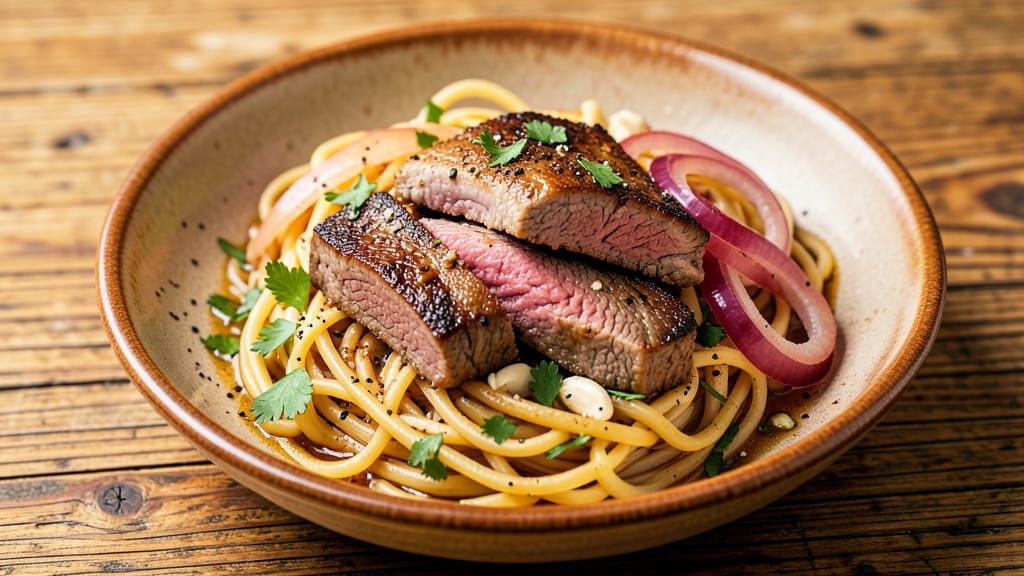
This beef and homemade egg noodles recipe delivers restaurant-quality comfort in your own kitchen, where silky egg noodles cradle tender beef in a rich, savory gravy. 💛 The secret lies in hand-rolled noodles that cook in minutes and a beef preparation method that transforms tough cuts into melt-in-your-mouth perfection.
I've perfected this dish over years of testing, balancing traditional techniques with modern convenience.
The homemade egg noodles are the star—simple to make with just flour, eggs, and a pinch of salt, yet their delicate texture elevates every bite. While the noodles cook in boiling water, the beef simmers in a fragrant blend of aromatics, garlic, and soy sauce, developing deep, complex flavors.
This isn't just another beef and noodles dish; it's a hearty meal that feels like a warm hug on a chilly day.
What makes this recipe truly special is the harmony between components: the noodles' silky texture contrasts beautifully with the beef's tender bite, while the gravy ties everything together. The result is a dish that's both comforting and impressive, perfect for family dinners or cozy weeknight meals.
Each forkful delivers layers of flavor that keep you coming back for more.
Ready in under an hour, this recipe proves homemade doesn't have to mean complicated. The noodles roll out quickly, the beef cooks while you prepare them, and the final assembly brings it all together in minutes.
Serve with steamed vegetables or a simple side salad for a complete meal that's sure to become a household favorite.
Ingredients for beef and homemade egg noodles
Fourteen simple ingredients transform into restaurant-quality beef and noodles in under an hour.
| Ingredient | Amount | Notes |
|---|---|---|
| All-Purpose Flour 🌾 | 2 cups | High protein for chewiness |
| Large Eggs 🥚 | 3 whole | Room temperature for best mixing |
| Kosher Salt 🧂 | 1 tsp | Fine grain preferred |
| Chuck Roast 🥩 | 1 ½ lb | Pre-cubed or cut yourself |
| Yellow Onion 🧅 | 1 whole | Medium size, diced |
| Garlic Cloves 🧄 | 4 cloves | Freshly minced |
| Low-Sodium Soy Sauce 🍶 | 2 tbsp | Regular soy works too |
| Dry Sherry 🍷 | ½ cup | Or substitute with beef broth |
| Beef Broth 🥫 | 2 cups | Homemade or high-quality store-bought |
| Tomato Paste 🍅 | 1 tbsp | Squeeze tube works perfectly |
| Dried Thyme 🌿 | 1 tsp | Or 1 tbsp fresh thyme |
| Black Peppercorns 🌶️ | ½ tsp | Freshly cracked preferred |
| Extra-Virgin Olive Oil 🫒 | 2 tbsp | For searing beef |
| Fresh Parsley 🌿 | ¼ cup | Chopped for garnish |
The chuck roast is your secret weapon—it's affordable and packed with flavor, but the key is cutting it into even-sized cubes. Ask your butcher to do it if you're not comfortable with a knife, or use the meat slicer if you've got one. For the flour, King Arthur or Bob's Red Mill are my go-tos—they give those noodles the perfect bite. The eggs should be fresh but not ice-cold; I always take them out of the fridge 10 minutes before mixing. If you're short on time, pre-shredded cheese won't work here—you need that fresh flour texture for those silky noodles.
No sherry? Beef broth with a splash of balsamic vinegar does the trick. Fresh thyme is ideal, but dried works at one-third the amount. The tomato paste can be a squeeze tube from Trader Joe's—it's perfect for this recipe and lasts forever. If you're using pre-cubed beef, check for any added fillers or anti-caking agents; plain chuck roast is what you want. The beef broth? Homemade is best, but even the $1.50 cans at Walmart work in a pinch. And if you're worried about the olive oil, any brand will work—just don't skimp on the amount when searing that beef.
The noodles keep for 2 days in the fridge, covered tightly with plastic wrap. Reheat gently in a skillet with a splash of water to keep them from drying out. The beef and gravy? 3 days in the fridge, or freeze for 3 months. I always make extra gravy—it's perfect for dipping those noodles or serving on the side. Store the beef and gravy separately, then reheat the beef in the gravy for that restaurant-quality finish. And if you're prepping ahead, the raw noodle dough can chill in the fridge for up to 24 hours before rolling—just let it sit at room temp for 10 minutes before using.
Why You'll Love This Recipe
- No-Fuss Noodles: I swear by these egg noodles—just flour, eggs, and salt, rolled out in 10 minutes. No store-bought shortcuts, no fuss, and they’re way better than anything from a package.
- Rich Beef Magic: That chuck roast, slow-cooked until tender, melts into the noodles like a hug. The onions caramelize just enough to add sweetness without overpowering—honestly, the first bite makes me forget takeout exists.
- Leftovers That Win: This dish actually improves the next day. The noodles soak up the beef juices, and the flavors deepen. I make double batches on Sundays because reheating them is my lazy-day hero move.
- Budget Feast: Chuck roast is cheap, flour and eggs are pantry staples, and one onion stretches across meals. It’s the kind of dish that feeds four for less than delivery—without sacrificing taste. (Yes, even on a Tuesday night.)
Step-by-step instructions for beef and homemade egg noodles
Here's how to make silky noodles and rich beef gravy from scratch—no shortcuts, just pure comfort.
👨🍳 Step 1: Make the Homemade Egg Noodles
In a large bowl, whisk together the 2 cups all-purpose flour and 1 tsp kosher salt. Make a well in the center and add the 3 whole large eggs (room temperature). Gradually mix with a fork until a shaggy dough forms—don't overwork it yet.
Turn the dough out onto a lightly floured surface and knead for 5-7 minutes until smooth and elastic. Wrap tightly in plastic wrap and rest for 30 minutes at room temperature. This resting step relaxes the gluten, making rolling easier and the final noodles silky. If the dough feels sticky, wet your hands slightly but don't add more flour—too much will make the noodles tough.
🍳 Step 2: Sear the Chuck Roast
While the dough rests, heat 2 tbsp extra-virgin olive oil in a large Dutch oven over medium-high heat. Add the 1.5 lb chuck roast (cut into 1.5-inch cubes) and sear undisturbed for 3-4 minutes until deep golden brown on all sides. Don't crowd the pan—work in batches if needed.
Remove the beef and set aside. In the same pot, add the 1 whole yellow onion (diced) and cook for 5 minutes until softened. Add the 4 cloves garlic cloves (minced) and cook for 30 seconds until fragrant. Here's where the flavor builds—don't rush this step or the aromatics will burn.
🥘 Step 3: Build the Rich Beef Gravy
Return the beef to the pot and stir in 2 tbsp low-sodium soy sauce, 1 tbsp tomato paste, 1 tsp dried thyme, and 0.5 tsp black peppercorns. Pour in 0.5 cup dry sherry and scrape up any browned bits from the bottom—this adds deep, meaty flavor. Let it simmer for 2 minutes until the alcohol smell dissipates.
Add 2 cups beef broth and bring to a gentle simmer. Cover and cook for 1.5 hours on low heat, stirring occasionally, until the beef is fork-tender. The sauce should reduce slightly but still coat the back of a spoon. If it gets too thick, add a splash of broth to maintain consistency.
🍳 Step 4: Roll and Cook the Noodles
Divide the rested dough into 4 equal pieces. Working with one piece at a time, roll it into a thin sheet (about 1/8-inch thick) using a rolling pin or pasta machine. Cut into 1/4-inch wide strips with a sharp knife or pasta cutter. Repeat with the remaining dough.
Bring a large pot of salted water to a rolling boil. Cook the noodles for 2-3 minutes until they float to the surface. They should be tender but still slightly firm to the bite—homemade noodles cook faster than store-bought. Drain and set aside, reserving 1 cup pasta water for the sauce.
🥘 Step 5: Finish and Serve
Add the cooked noodles to the beef gravy and toss gently to coat. If the sauce is too thick, add reserved pasta water 1 tablespoon at a time until it reaches a silky consistency—it should cling beautifully to the noodles. Simmer for 2-3 minutes just to heat through.
Ladle into bowls and garnish with 0.25 cup chopped fresh parsley. The result? Silky homemade noodles wrapped in a rich, savory beef gravy that's packed with deep flavor. Serve immediately while warm—this dish tastes best straight from the pot!
Pro Tips For Making Beef And Homemade Egg Noodles
- Sear the Chuck Roast Twice: I learned this the hard way—skipping the second sear means flavor gets stuck in the pan instead of the meat. After browning the first side, flip the roast and let it sit unmoved for 3 minutes on high heat until the edges darken. That crust locks in juices and makes the difference between good and amazing.
- Rest the Dough Before Rolling: This isn’t the prettiest method, but it’s the tastiest: Let your egg noodle dough rest, wrapped in plastic, for at least 30 minutes before rolling. The gluten relaxes, so you won’t end up with chewy, uneven strands—just smooth, silky noodles that cook perfectly. (Yes, even if you’re impatient like me.)
- Slice Onions Thin and Even: Uneven onion slices mean some parts burn while others stay raw. Use a sharp knife and cut the onion in half lengthwise first, then slice into paper-thin strips—about 1/8-inch thick. Toss them in the pan with the beef after it’s browned, so they soften in the residual fat without turning to mush.
- Check Beef Temp with a Thermometer: Guessing doneness leads to dry meat or undercooked beef. For chuck roast, pull it at 195°F (it’ll rest up to 205°F) and let it sit under foil for 10 minutes. The internal temp drops, and the meat becomes fork-tender—no more rubbery bites. (Your future self will thank you.)
Make-ahead tips for beef and homemade egg noodles
Noodle Prep Ahead
Roll out your noodle dough up to 24 hours in advance and store it tightly wrapped in plastic wrap in the fridge. The dough will firm up slightly but remains easy to roll when ready.
I like to label it with the date—this helps track freshness. When you're ready to cook, let it sit at room temperature for 10 minutes before rolling to prevent cracking. 💫
Beef Gravy Make-Ahead
The beef and gravy can be fully prepped and refrigerated for 3 days in an airtight container. Store the beef and sauce separately to prevent sogginess. When reheating, place the beef in the sauce and simmer on the stovetop over medium-low heat for 10-15 minutes, stirring occasionally.
The sauce will thicken naturally as it heats through.
Freezing for Later
For longer storage, freeze the beef and gravy mixture in single-serving portions using quart-sized freezer bags. Leave 1 inch of headspace for expansion. Thaw overnight in the fridge, then reheat gently on the stove.
The texture remains rich and flavorful—just like fresh! I always freeze extra portions because this dish tastes even better the next day. ❄️
Dough Shortcut
If rolling noodles feels overwhelming, make half the dough and buy 1 package of dried egg noodles (like Barilla or De Cecco). Cook the dried noodles according to package instructions and toss them with the homemade beef gravy.
The texture won't be identical, but it's a delicious compromise for busy nights.
Gravy Booster
Save time by prepping aromatics ahead. Dice the onion and mince the garlic the night before, storing them in a sealed container in the fridge. This cuts 10 minutes off your active prep time.
I also like to measure out all spices into a small bowl—just add them straight to the pot when ready. 🌶️
Reheating Leftovers
To revive leftovers, transfer the beef and noodles to a skillet with 1-2 tablespoons of water or beef broth. Cover and heat on medium-low for 5-7 minutes, stirring occasionally.
Avoid high heat—it can turn the noodles mushy. A splash of reserved pasta water (from when you first cooked the noodles) works wonders for restoring that silky texture.
Nutrition facts
Frequently asked questions
Can I substitute ground beef for chuck roast?
You can absolutely use ground beef, but the texture will be different. For a similar rich flavor, use 1 lb ground chuck and brown it thoroughly in the Dutch oven before adding aromatics. Ground beef cooks faster (about 10-12 minutes total), so reduce the simmering time to 45 minutes instead of 1.5 hours. The result will be tender but more finely textured.
How do I prevent the noodles from sticking together?
Work quickly and keep your rolling surface well-floured—use all-purpose flour or semolina for extra grip. After cutting, toss the noodles with a tiny bit of flour before cooking. When boiling, stir them gently with a wooden spoon or tongs. For storage, spread them on a floured baking sheet until dry before freezing or refrigerating.
What's the best way to thicken the sauce if it's too thin?
Start with 1 tablespoon cornstarch mixed with 2 tablespoons cold water, then stir it into the simmering sauce. Cook for 1-2 minutes until thickened. If it's still too thin, add another 1/2 teaspoon cornstarch. For a richer texture, mash a few cooked noodles into the sauce—the starch from the pasta will naturally thicken it.
Can I make this dish gluten-free?
Yes, but you'll need to modify both components. Use a 1:1 gluten-free flour blend (like Bob's Red Mill) for the noodles, and add 1 extra egg to help bind the dough. For the beef, ensure your soy sauce is gluten-free (like tamari) and check that your beef broth doesn't contain wheat. The texture will be slightly different, but still delicious!
Why did my beef turn out tough instead of tender?
This usually happens from overcooking or not enough fat in the pan.