
Soups & Stews
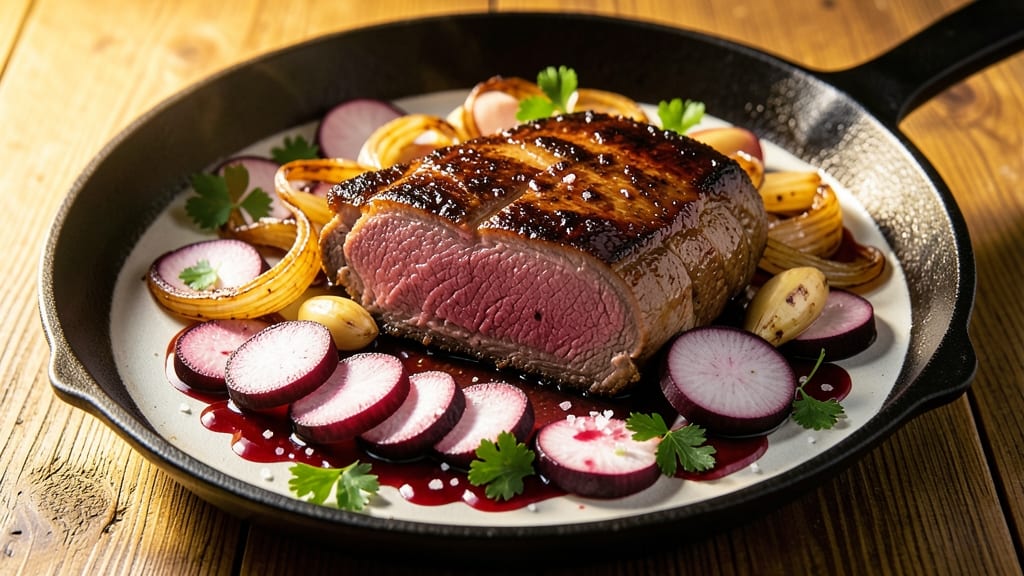
This beef and radish recipe transforms humble ingredients into a dish that's rich, tender, and surprisingly elegant. The secret lies in braising beef until it's fork-tender while letting radishes caramelize into sweet, earthy perfection—creating a harmony of textures that's both comforting and refined.
I developed this recipe after discovering how radishes' natural sweetness pairs beautifully with the deep umami of slow-cooked beef, turning a simple weeknight meal into something special.
The process is straightforward yet transformative: beef sears in the pan to develop deep flavor before simmering in a rich broth with radishes until tender. The radishes break down slightly, releasing their natural sugars and creating a velvety sauce that coats every bite.
This method ensures the beef remains juicy while the radishes develop that perfect caramelized sweetness that balances the dish's richness.
What you'll end up with is a dish that's tender, flavorful, and packed with layers of texture—juicy beef, caramelized radishes, and a sauce that's rich enough to stand alone. The contrast between the meat's deep savoriness and the radishes' subtle sweetness makes each bite unforgettable.
This recipe is perfect for a cozy dinner, a special occasion, or impressing guests with a dish that feels both hearty and sophisticated.
Serve it with crusty bread to soak up the delicious sauce or alongside roasted potatoes for a complete meal. The beauty of this dish is its versatility—it works as a standalone main course or as part of a larger spread. Let's get cooking and create something truly memorable.
Ingredients for beef and radish
Transform humble beef and radishes into an elegant dish with these carefully selected ingredients.
| Ingredient | Amount | Notes |
|---|---|---|
| Chuck Roast 🥩 | 2 lb | Well-marbled for tenderness |
| Black Radishes 🥕 | 1 ½ lb | Whole, unpeeled for texture |
| Yellow Onion 🧅 | 1 whole | Chopped into even slices |
| Garlic Cloves 🧄 | 6 cloves | Smashed for aromatic release |
| Dry Red Wine 🍷 | 1 cup | Bold variety like Cabernet |
| Beef Broth 💧 | 2 cups | Homemade or high-quality |
| Tomato Paste 🍅 | 2 tbsp | Squeeze tube preferred |
| Fresh Thyme 🌿 | ½ ounce | Or 2 tbsp dried thyme |
| Fresh Rosemary 🌿 | 1 tbsp | Chopped sprigs for depth |
| Olive Oil 🫒 | 2 tbsp | Extra-virgin for richness |
| Balsamic Vinegar 🍶 | 1 tbsp | For balancing sweetness |
| Diamond Crystal Kosher Salt 🧂 | 1 ½ tsp | Adjust to taste |
| Freshly Ground Black Pepper 🌶️ | 1 tsp | Cracked peppercorns preferred |
| All-Purpose Flour 🌾 | 1 tbsp | For thickening sauce |
The chuck roast is non-negotiable—its marbling ensures fork-tender results. Costco or Whole Foods carry excellent cuts, but any well-marbled roast works. Black radishes add earthy sweetness that caramelizes beautifully; local farmers' markets often have them in season. Fresh thyme and rosemary elevate the dish—Penzeys Spices sells high-quality dried blends if fresh isn't available. For the wine, Cabernet Sauvignon or Merlot provide the bold structure needed to balance the radishes' sweetness.
No red wine? Beef broth with a splash of balsamic vinegar delivers similar depth. Substitute dried thyme at one-third the amount of fresh, but toasted whole cumin seeds add complexity if you're feeling adventurous. The tomato paste can be skipped entirely if you prefer a cleaner sauce, though it adds a subtle umami richness. For a quicker prep, pre-sliced radishes save time, though whole radishes develop more caramelized flavor during braising. The flour is purely functional—use arrowroot powder for a gluten-free alternative if needed.
This dish tastes even better the next day as flavors meld. Store leftovers in an airtight container for up to 5 days in the fridge, or freeze for 3 months in portioned containers. The sauce thickens upon reheating, so add a splash of broth if it becomes too stiff. For meal prep, double the recipe and freeze half—perfect for busy weeknights when you crave restaurant-quality comfort.
Why You'll Love This Recipe
- One-Pot Magic: The chuck roast and radishes braise together in the same pot—no extra dishes, no stress. Honestly, I just dump everything in and walk away while it works its flavor magic.
- Radish-Garlic Crunch: That first bite of tender beef with the sharp, peppery radish slices? It’s like a flavor party in your mouth. The wine and garlic turn this into something restaurant-worthy without trying.
- Weeknight & Potluck Hero: Make it for a busy Tuesday or double the batch for a holiday spread. The leftovers reheat like a dream, and it’s hearty enough to feed a crowd without breaking the bank.
- Budget Stretch: Chuck roast is affordable, and radishes last forever—this recipe lets you feed your family well without overspending. Between us, it’s my go-to when I need to make groceries last longer.
Step-by-step instructions for braised beef and radish
Transform tough beef and earthy radishes into a luxurious, fork-tender dish through precise technique and patient cooking.
Sear the Chuck Roast and Prepare Vegetables
Heat a heavy Dutch oven over medium-high heat and add the 2 tablespoons olive oil. Once shimmering, place the 2 lb chuck roast in the pan, searing on all sides until deeply browned—about 4-5 minutes per side. Remove the beef and set aside. In the same pot, add the 1 whole yellow onion and 6 smashed garlic cloves, cooking until softened and golden, approximately 3-4 minutes.
Peel the 1.5 lb black radishes if needed, but leave them whole for texture. Add them to the pot along with the 2 tablespoons tomato paste, stirring to coat. Deglaze with the 1 cup dry red wine, scraping up any browned bits that cling to the bottom. Let the wine reduce by half before proceeding. This step builds the foundation for a rich, flavorful braise.
Build the Braising Liquid and Season
Pour in the 2 cups beef broth, then add the 1 tablespoon balsamic vinegar, 0.5 ounce fresh thyme, 1 tablespoon fresh rosemary, 1.5 teaspoons kosher salt, and 1 teaspoon freshly ground black pepper. Stir well to combine, ensuring all ingredients are fully incorporated. The radishes should be partially submerged, but don’t worry if they aren’t fully covered—they’ll absorb the flavors beautifully.
Return the seared chuck roast to the pot, positioning it on top of the radishes. The beef should be mostly submerged in the liquid. Bring the mixture to a gentle simmer, then reduce the heat to low to maintain a barely bubbling state. Cover the pot and let it cook undisturbed for 2 hours. This slow cooking transforms the tough beef into tender, melt-in-your-mouth bites.
Thicken the Sauce and Finish Cooking
After 2 hours, remove the lid and increase the heat to medium. Sprinkle the 1 tablespoon all-purpose flour over the top and stir gently to thicken the sauce. Simmer uncovered for an additional 15-20 minutes until the liquid reduces slightly and the radishes are tender but still hold their shape. The beef should be fork-tender, easily pulling apart with minimal resistance.
Taste and adjust the seasoning if needed, adding a pinch more salt or pepper as required. The radishes should be sweet and caramelized, their earthy flavors melding perfectly with the rich, savory beef. The sauce should coat the back of a spoon, thickened just enough to cling to the meat and vegetables.
Rest and Serve with Confidence
Transfer the beef and radishes to a serving platter, spooning the thickened sauce over the top. Let the dish rest for 5-10 minutes before serving. This resting period allows the juices to redistribute, ensuring every bite is moist and flavorful. Serve the beef and radishes with crusty bread or over a bed of mashed potatoes to soak up the luxurious sauce.
The result is a harmonious blend of tender beef and sweet radishes, braised to perfection in a rich, aromatic sauce. Each bite delivers a balance of earthy sweetness and deep, savory flavors, making this dish a standout for any occasion.
Pro Tips For Making Beef And Radish
- SEAR THE ROAST LONG: Chuck roast won’t brown like a steak—give it 10-12 minutes with tongs flipping occasionally. The goal isn’t a crust, it’s breaking down the surface so the wine can cling and tenderize. I used to rush this and ended up with pale, flavorless meat.
- PEEL RADISHES PARTIALLY: Black radishes stay bitter if fully peeled—leave the tough outer skin on the flat sides, just scrape off the nubs. Slice them ¼-inch thick so they soften but don’t turn to mush. (Yes, they’ll look odd, but they’ll taste better.)
- DEGLAZE WITH WINE IMMEDIATELY: As soon as you remove the roast, pour in that red wine hot—it’ll loosen every browned bit. Let it reduce by half before adding broth. Skipping this step means missing out on half the flavor.
- SIMMER RADISHES SEPARATELY: Tossing radishes in with the beef early? They’ll turn to sludge. Sauté them last for 5 minutes with a splash of wine and a pinch of sugar to balance their bite. (I know, it’s one more pot, but trust me.)
Common mistakes when making this dish
Overcooking Radishes
One of the biggest mistakes is letting radishes turn mushy while braising. They should be tender but still hold their shape—think al dente. I’ve found that 2 hours of simmering is perfect, but if you peek and see them completely falling apart, they’ve gone too far.
The key is to check their texture with a fork at the 1.5-hour mark and adjust heat accordingly. Overcooked radishes lose their natural sweetness and become bland, ruining the dish’s balance. 🥕
Skipping the Sear
If you skip searing the chuck roast, you’ll miss out on the Maillard reaction that creates deep, caramelized flavors. I always sear my beef until it’s deeply browned on all sides—this step is non-negotiable.
Without it, the braise will taste flat and one-dimensional. Use a heavy Dutch oven and medium-high heat to get that perfect crust. The extra effort pays off in every bite.
Using Low-Quality Broth
Cheap or overly salty beef broth can make or break this dish. I recommend using homemade broth or a high-quality store-bought version like Pacific Foods or Kettle & Fire. If your broth tastes bland or metallic, the entire braise will suffer.
Taste it before adding to the pot—it should be rich and savory, not watery. If needed, reduce it slightly to concentrate the flavors before combining with other ingredients.
Ignoring the Resting Time
Rushing to serve the beef and radishes right after cooking is a common mistake. The 5-10 minutes of resting time allows the juices to redistribute, ensuring every bite is moist and flavorful.
If you skip this step, the meat will release its juices onto the plate instead of staying inside where it belongs. Trust me, this small pause makes a world of difference in the final texture and taste. 💡
Overcrowding the Pot
Adding too many radishes or other vegetables to the pot can lead to uneven cooking and a watery sauce. I stick to the 1.5 lb of radishes called for and avoid adding extra ingredients unless absolutely necessary.
Overcrowding prevents proper heat circulation, which means the beef and radishes won’t cook evenly. If you’re tempted to add more, do it in stages or use a larger pot.
Neglecting the Wine Reduction
Skipping the step of reducing the wine by half before adding the broth is a missed opportunity for flavor depth. The wine’s alcohol evaporates during reduction, leaving behind concentrated, rich flavors that enhance the braise. I always let the wine reduce to about ½ cup before proceeding.
If you’re in a hurry, you can speed this up by increasing the heat slightly, but don’t rush it—patience here is key to a well-balanced dish.
Nutrition facts
Frequently asked questions
Can I substitute daikon radishes for black radishes?
Yes, daikon radishes work beautifully in this recipe! They're milder and sweeter than black radishes, so you may want to reduce the cooking time by about 15-20 minutes to prevent them from turning mushy. Daikon's texture holds up well to braising, and their subtle sweetness pairs perfectly with the beef's richness.
How do I make this dish faster without sacrificing flavor?
For a quicker version, sear the beef as directed, then use a pressure cooker for 45 minutes on high pressure instead of braising. Skip the flour thickening and use a cornstarch slurry instead—it thickens faster. The radishes will still develop sweetness, though not as caramelized as with slow cooking. This cuts total time to about 1 hour.
What's the best way to reheat leftovers?
Reheat gently in a skillet with a splash of beef broth over low heat for 5-7 minutes to prevent drying out. If using the microwave, cover with a damp paper towel and heat in 30-second intervals, stirring between each. The sauce will thicken further—add a little broth if it becomes too stiff. Leftovers taste even better the next day!
Can I use ground beef instead of chuck roast?
Ground beef won't work for this braised dish—it lacks the connective tissue needed for tender results. For a similar texture, try beef short ribs (braise for 3 hours) or beef stew meat. If you're set on ground beef, make a quick stir-fry instead: cook with radishes and a sweet-savory sauce like soy sauce, honey, and garlic for 10 minutes.
Why do my radishes taste bitter?
Bitter radishes usually mean they weren't cooked long enough to develop sweetness. Increase cooking time by 15-20 minutes or add 1 teaspoon sugar during braising to enhance their natural sweetness. Also check your radishes—older or sprouted ones taste more bitter. Fresh, firm radishes with no green tops will give the best flavor.