
Main Courses
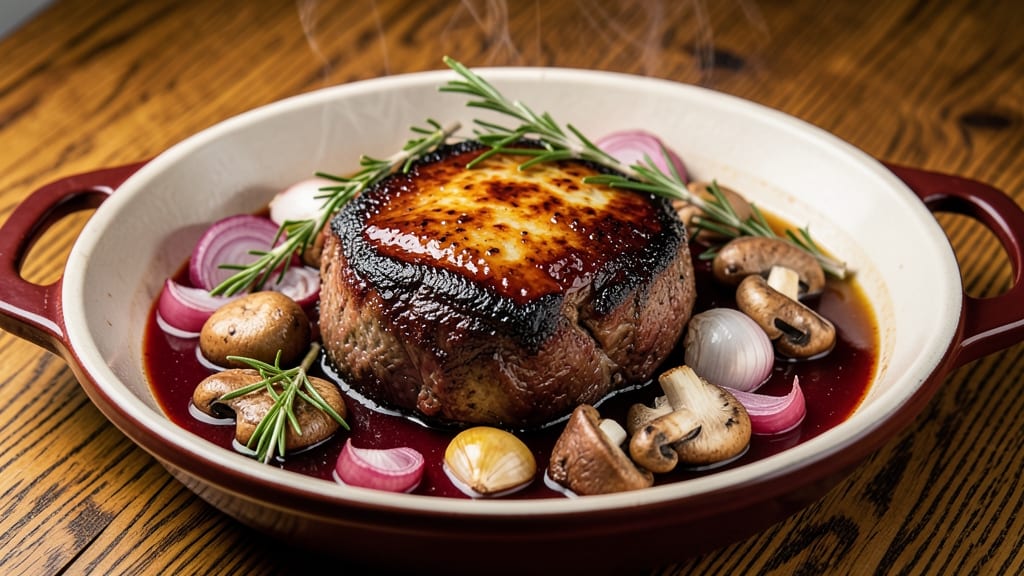
This angus beef pot roast recipe transforms tough cuts into melt-in-your-mouth perfection through slow braising—this wine-infused method delivers restaurant-quality results at home. The secret lies in proper searing and a deep, aromatic sauce that tenderizes the meat while caramelizing onions and mushrooms into sweet, flavorful layers. I've perfected this technique over years of testing, ensuring every bite is rich, juicy, and packed with depth.
What sets this recipe apart is the balance of techniques: a high-heat sear locks in flavors, while the slow braise breaks down collagen for fork-tender meat.
The red wine and beef broth create a velvety sauce that coats every bite, while the caramelized vegetables add natural sweetness that complements the beef's natural richness. This isn't just a pot roast—it's a showstopping centerpiece that impresses even skeptical guests.
By the time you serve it, you'll have perfectly tender Angus beef with a glossy, wine-infused sauce and tender vegetables that melt into every bite.
The aroma alone will have your kitchen smelling like a high-end steakhouse, and the presentation—golden-brown meat surrounded by caramelized onions and mushrooms—makes it look as good as it tastes. This is comfort food elevated to gourmet status.
The best part? Leftovers reheat beautifully, making it ideal for meal prep. Serve with crusty bread to soak up every last drop of that rich sauce. Here's how to make it—step by step, with professional results you'll want to repeat weekly.
Ingredients for angus beef pot roast
Sixteen ingredients crafting restaurant-worthy beef that melts at the touch.
| Ingredient | Amount | Notes |
|---|---|---|
| Angus Beef Chuck Roast 🥩 | 3 lb | Center-cut for best tenderness |
| Yellow Onions 🧅 | 2 whole | Thickly sliced for caramelization |
| Cremini Mushrooms 🍄 | 16 oz | Sliced for even cooking |
| Garlic Cloves 🧄 | 6 cloves | Minced for aromatic depth |
| Red Wine 🍷 | 1 cup | Bold dry variety like Cabernet |
| Beef Broth 💧 | 2 cups | Low-sodium preferred |
| Tomato Paste 🍅 | 2 tbsp | Smooth texture preferred |
| Olive Oil 🫒 | 2 tbsp | Extra-virgin for richness |
| Fresh Thyme 🌿 | ¼ cup | Leaves only, chopped |
| Fresh Rosemary 🌿 | ¼ cup | Needles finely chopped |
| All-Purpose Flour 🌾 | 2 tbsp | For dusting beef |
| Salt 🧂 | 1 ½ tsp | Kosher or sea salt |
| Black Peppercorns 🌶️ | 1 tsp | Freshly cracked |
| Bay Leaves 🍃 | 2 whole | Removed before serving |
Angus chuck roast is non-negotiable here—Kroger's premium cut or Costco's Angus chuck are my go-tos, but any quality butcher will have it. Look for good marbling; that's where the flavor hides. The mushrooms? Cremini from the store's produce section work fine, but wild mushrooms add earthy depth if you're feeling fancy. Fresh thyme and rosemary should smell vibrant—if they're wilted or dull, skip them. For the wine, any bold, dry red works—Cab Sauv, Merlot, whatever's open. The beef broth? Homemade is ideal, but Swanson's low-sodium is a solid shortcut.
No red wine? Beef broth with a splash of balsamic gets you close. Fresh thyme and rosemary? Dried at one-third the amount works in a pinch, but fresh is worth hunting for at farmers markets. The tomato paste can be the squeeze tube kind—Trader Joe's carries those perfect for single-use portions. For the flour, King Arthur all-purpose is my go-to, but any good brand works. The bay leaves? California or Mexican are most aromatic—avoid the dried ones that look like they've been sitting forever. If you're short on time, pre-minced garlic from the jar saves 5 minutes, though fresh is always better.
This reheats beautifully—honestly tastes better the next day once everything melds. Keeps 4-5 days in the fridge, freezes for 3 months. I portion mine into containers so lunches are sorted for the week. The sauce thickens as it sits, so add a splash of broth if it's too stiff when reheating. Store the beef separately if you want to use it in sandwiches—it stays juicier that way.
Why You'll Love This Recipe
- One-Pan Magic: I swear by this—just dump everything in a Dutch oven (chuck roast, onions, mushrooms, garlic, wine) and walk away. The only chopping is dicing onions, and even that’s forgivable because the results are worth it.
- Rich Without Effort: That deep red wine and caramelized mushrooms? They turn the toughest cut into melt-in-your-mouth perfection. Honestly, I’ve tried fancy techniques, but this slow-cooked beauty does all the work for you.
- Leftovers That Feel Fresh: The sauce thickens beautifully overnight, and reheating it? Absolute luxury. My kids actually ask for seconds—no complaints about "boring leftovers" here.
- Weeknight Hero: Between us, this is my go-to when I’m too tired to fuss. The chuck roast stays juicy, the wine adds instant sophistication, and it’s ready by dinnertime. (Yes, even on a Tuesday night.)
Step-by-step instructions for Angus beef pot roast
Here's how to transform tough chuck roast into melt-in-your-mouth perfection through slow braising.
Sear the Roast for Deep Flavor
Pat the 3 lb Angus Beef Chuck Roast completely dry with paper towels—this ensures a perfect crust. Heat 2 tablespoons Olive Oil in a heavy Dutch oven over medium-high heat until shimmering. Place the roast in the pot, fat-side down, and sear for 5 minutes until deeply browned on one side. Flip and sear the other side for another 5 minutes.
While searing, sprinkle 1.5 teaspoons Salt and 1 teaspoon Black Peppercorns directly onto the meat. Don't rush this step—the caramelized crust locks in juices during the long cook. If the oil starts smoking, reduce heat slightly to maintain even browning.
Build the Flavor Base with Vegetables
Remove the roast from the pot and set it aside. In the same Dutch oven, add 2 tablespoons Olive Oil and 2 whole Yellow Onions (thickly sliced). Cook over medium heat for 8-10 minutes, stirring occasionally, until the onions turn golden brown and caramelized. This process takes time, but the sweet depth is worth it.
Add 16 oz Cremini Mushrooms (sliced) and cook for another 5 minutes until they release their moisture and begin to brown. Stir in 6 cloves Garlic Cloves (minced) and cook for 30 seconds until fragrant. Sprinkle with 0.25 cup Fresh Thyme and 0.25 cup Fresh Rosemary (chopped), then add 2 tablespoons Tomato Paste and stir to combine.
Deglaze and Create the Braising Liquid
Pour in 1 cup Red Wine and scrape up all the browned bits from the bottom of the pot with a wooden spoon. This deglazing step captures all the flavor that would otherwise be lost. Let the wine simmer for 3-4 minutes until reduced by half. Add 2 cups Beef Broth and 2 whole Bay Leaves, then return the roast to the pot.
Bring the liquid to a gentle simmer, then cover the pot with a lid. The goal is to create a slow, steady cook that tenderizes the meat without drying it out. The liquid should come about halfway up the side of the roast—this ensures proper moisture during cooking.
Braise Until Fork-Tender
Transfer the pot to a 325°F oven and braise for 3 hours. After this initial cooking time, remove the roast and turn it over. Return it to the pot and continue braising for another 1-2 hours, depending on your preferred tenderness. The roast is done when it easily pulls apart with a fork and the internal temperature reaches 205°F.
During the final hour, check the liquid level occasionally. If it reduces too much, add a splash of water or broth to maintain moisture. The roast should be so tender that it practically falls apart when sliced, with rich, dark brown sauce coating every bite.
Rest and Serve with Sauce
Remove the roast from the pot and let it rest on a cutting board for 15 minutes. This resting period allows the juices to redistribute throughout the meat, ensuring each slice is moist and flavorful. Skim the 2 whole Bay Leaves from the sauce before serving.
Slice the roast against the grain into ½-inch thick pieces and serve directly from the pot, spooning the rich braising liquid over the top. The sauce should be thick and velvety, infused with all the caramelized flavors from the onions, mushrooms, and wine. Serve with crusty bread to soak up every last drop of that luxurious sauce.
Pro Tips For Making Angus Beef Pot Roast
- SEAR THE ROAST FIRST: I learned this the hard way—skipping the sear means flavor gets lost in the slow cook. Get that chuck roast screaming hot in a dry pan for 3-4 minutes per side before anything else. The crust locks in juices and turns your pot roast from good to unforgettable—even if you’re using the best Angus money can buy.
- SLICE ONIONS THICK: Thin slices turn to mush. Cut yellow onions into ½-inch chunks so they hold their shape and actually contribute texture instead of dissolving into the sauce. Same goes for cremini mushrooms—leave them in ½-inch pieces, not minced. You’re making a pot roast, not soup.
- DEGLAZE WITH RED WINE IMMEDIATELY: That browned meat at the bottom? That’s flavor gold. As soon as you remove the roast, pour in the red wine and scrape every bit of crust from the pan. Let it reduce by half before adding broth—this builds a richer sauce faster than waiting. (Yes, even if you’re impatient like me.)
- USE COLD BROTH FOR LOW HEAT: I used to dump boiling broth into the pot, thinking it’d speed things up. Wrong. Cold broth (or room temp) keeps the liquid from boiling too hard, so your roast cooks evenly and doesn’t toughen. Start with 2 cups cold, then add more as needed—this isn’t a race.
Dietary considerations for this dish
Low-Carb Adaptations
Skip the starchy sides like potatoes and carrots—swap them for cauliflower mash or roasted Brussels sprouts. Use 1 lb cauliflower florets steamed and mashed with 2 tbsp butter and ¼ cup heavy cream for a creamy, low-carb alternative.
The rich sauce from the pot roast pairs perfectly with these veggies. 🥦
Gluten-Free Options
This recipe is naturally gluten-free, but always double-check your beef broth and tomato paste labels for hidden gluten. Use certified gluten-free flour if thickening the sauce further—Bob's Red Mill 1-to-1 baking flour works well. The wine and herbs are safe, so no substitutions are needed there.
Dairy-Free Modifications
For a dairy-free version, replace the heavy cream in the sauce with coconut milk (full-fat for richness). Use ½ cup instead of the cream, as coconut milk is thinner.
The caramelized onions and mushrooms add enough depth that you won’t miss the dairy. Serve with dairy-free mashed cauliflower (made with olive oil instead of butter).
Allergen-Friendly Swaps
If nut allergies are a concern, avoid any nut-based thickeners—stick to the original flour or cornstarch. For mushroom allergies, replace the 16 oz cremini mushrooms with 16 oz sliced bell peppers (any color) or zucchini (thinly sliced). The bell peppers add sweetness, while zucchini keeps the dish light and flavorful.
Protein Adjustments
For a leaner option, trim visible fat from the Angus beef before searing—this reduces saturated fat while keeping the flavor. If you prefer a richer cut, consider ribeye roast instead, though it may require slightly less braising time. Always use grass-fed beef if you want to maximize omega-3 content.
Meal Prep Considerations
Divide the pot roast into individual portions for easy reheating. Store the beef and sauce separately in glass airtight containers to prevent freezer burn. Reheat the sauce on its own first, then add the beef to warm through.
For a quick lunch, serve with pre-cooked quinoa or a mixed greens salad with balsamic vinaigrette.
Nutrition facts
Frequently asked questions
Can I use a different cut of beef instead of chuck roast?
For best results, stick with chuck roast—its marbling and collagen make it ideal for slow braising. If you're set on another cut, ribeye roast works well but may require 1-2 hours less braising time. Avoid leaner cuts like sirloin—they won't become tender enough.
How do I know when the pot roast is fully tender?
The roast is done when it reaches 205°F internally and easily pulls apart with a fork. Test by inserting a fork—if it slides in like butter, it's perfect. The sauce should also coat the meat completely, with no pink center.
Can I make this recipe on the stovetop instead of the oven?
Yes, but it requires more attention. After searing, cover the pot and simmer on low heat for 3-4 hours, adding water or broth as needed to maintain liquid. Stir occasionally to prevent sticking. The oven method is more reliable for even cooking.
What's the best way to reheat leftovers?
Reheat leftovers in the oven at 300°F for 20-30 minutes with a splash of broth to keep the sauce moist. Microwaving works in a pinch, but the sauce may separate. Leftovers actually taste better the next day as flavors meld!
Why did my pot roast turn out dry?
Overcooking or insufficient liquid are the most common causes. Keep the pot covered and maintain ½-inch of liquid throughout cooking. If the sauce reduces too much, add broth. Also, avoid peeking at the meat too often—each time you lift the lid, moisture escapes.